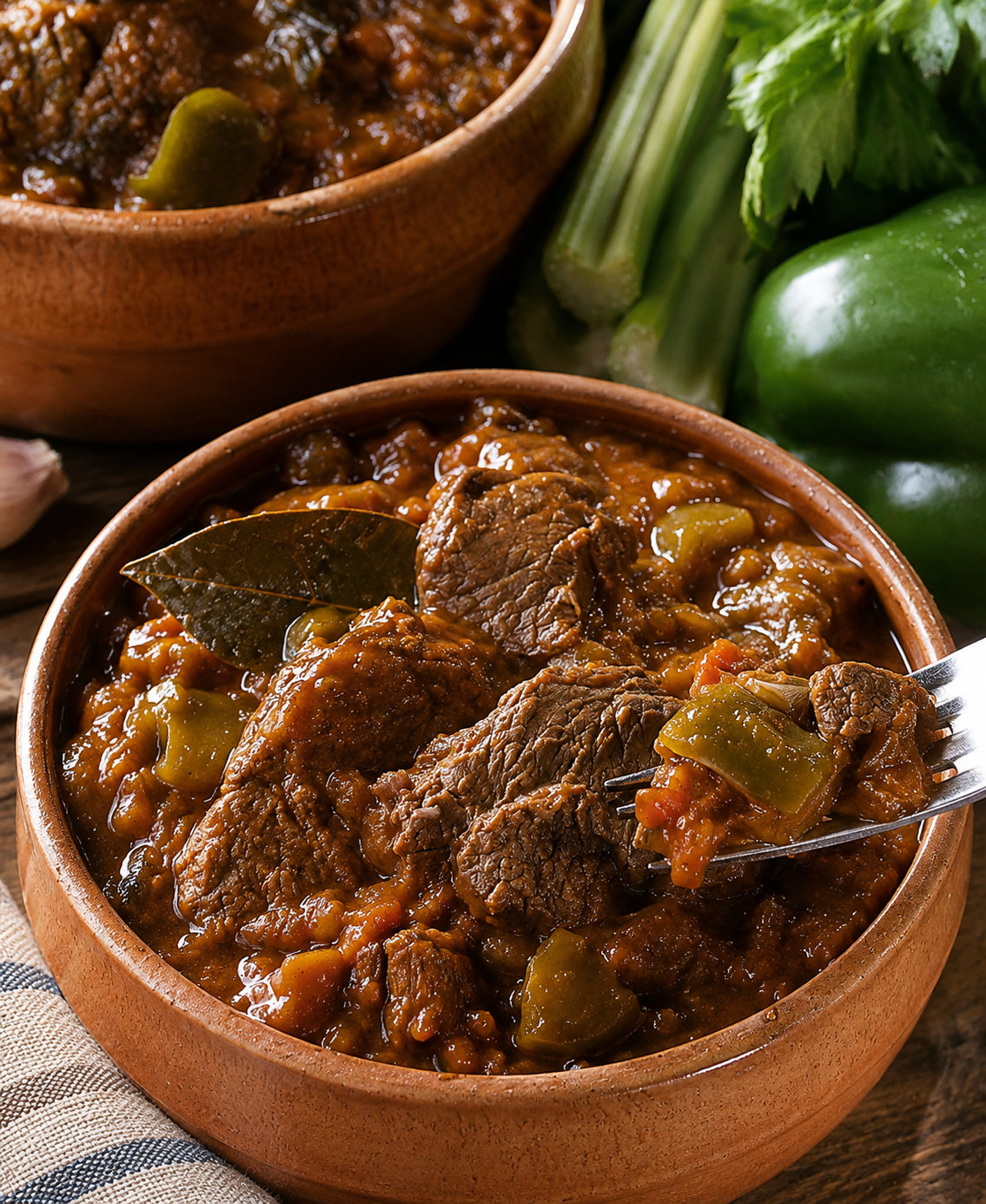
How this dish came to life
Cultural significance
Today, Bekri Meze carries that spirit with it: good food, good company, and never rushing the moment.
step by step
Instructions
- 1
Cut all your vegetables.
- 2
Sear the pork over high heat until well browned and sealed, then remove it from the pan.
- 3
In the same pan, sauté the onion and peppers until they take on good colour. Add the garlic, watching carefully so it doesn't burn.
- 4
Add the tomato paste and return the meat to the pan. Sauté until the paste darkens and just begins to catch on the bottom.
- 5
Deglaze with a generous amount of white wine. Add the cumin and boukovo.
- 6
Let it simmer until the sauce thickens and the meat is tender — add a splash of water along the way if it needs it.
- 7
Finish with the honey, stirring it through the sauce.
- 8
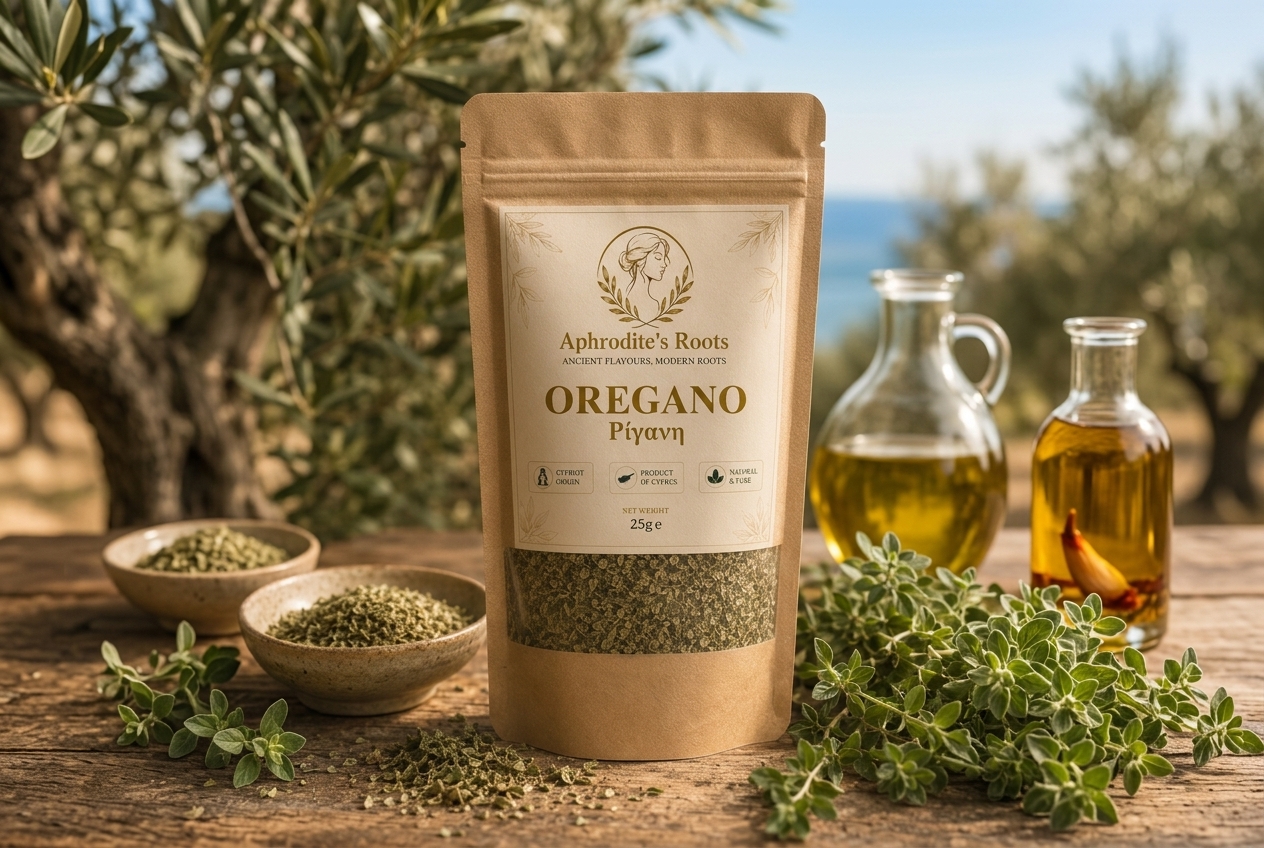
Serve sprinkled with dried oregano and a good piece of feta on the side.
tips from the village —
Wisdom from grandmothers
- 01Don't be shy with the wine — it's the soul of the dish. The name literally demands it.
- 02Let the tomato paste catch slightly before deglazing; that's where the deep tavern flavour comes from.
- 03The honey at the end balances the heat of the boukovo — add it off the boil so it stays fragrant.
- 04This is meze, not a main course to rush. Put it in the middle of the table, pour the wine, and take your time.
Related recipes
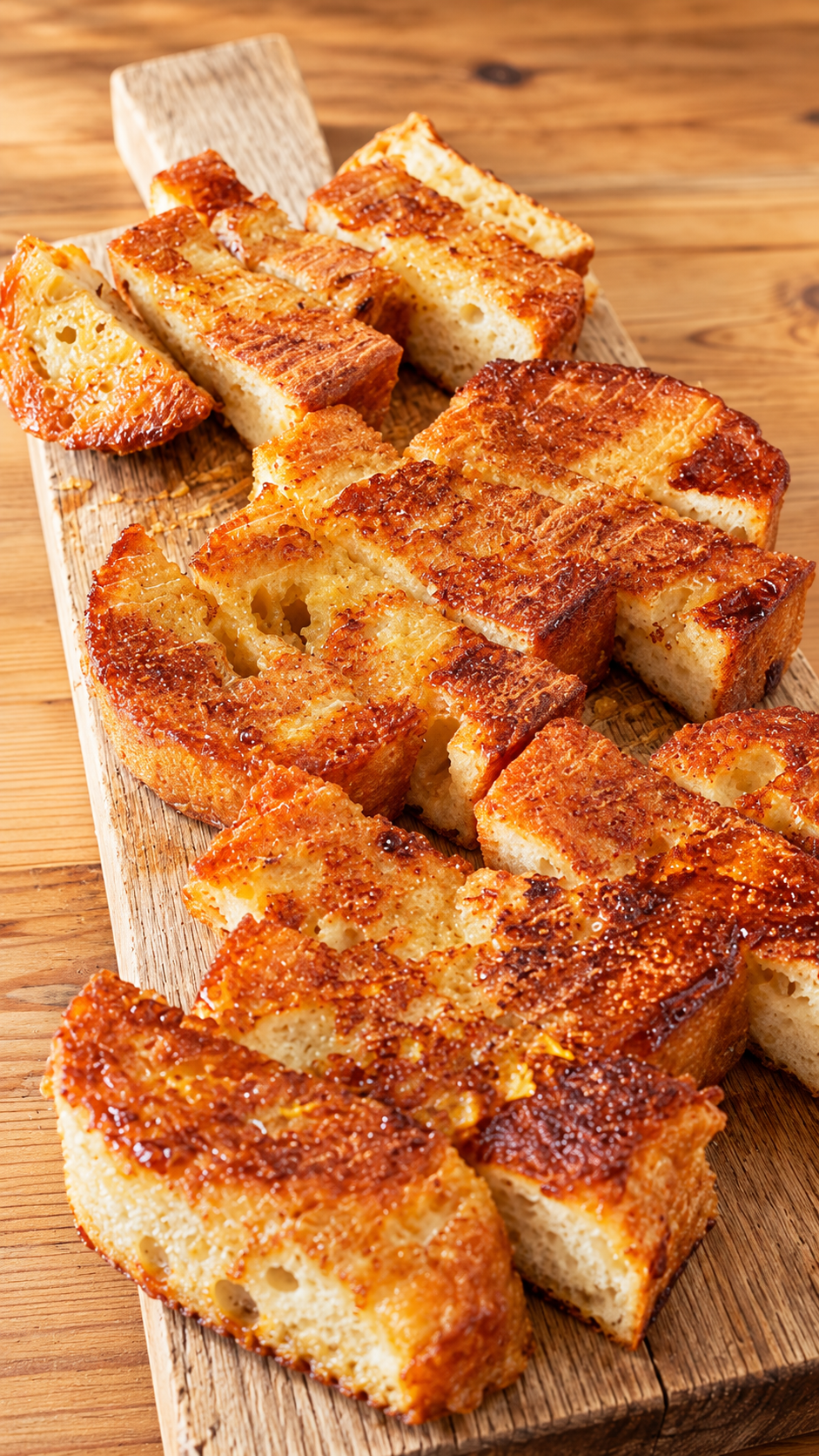
Avgofetes
Greek egg-fried bread — yesterday's loaf dipped in egg and milk, fried golden in olive oil and served with honey and cinnamon. Older than French toast.
Read the story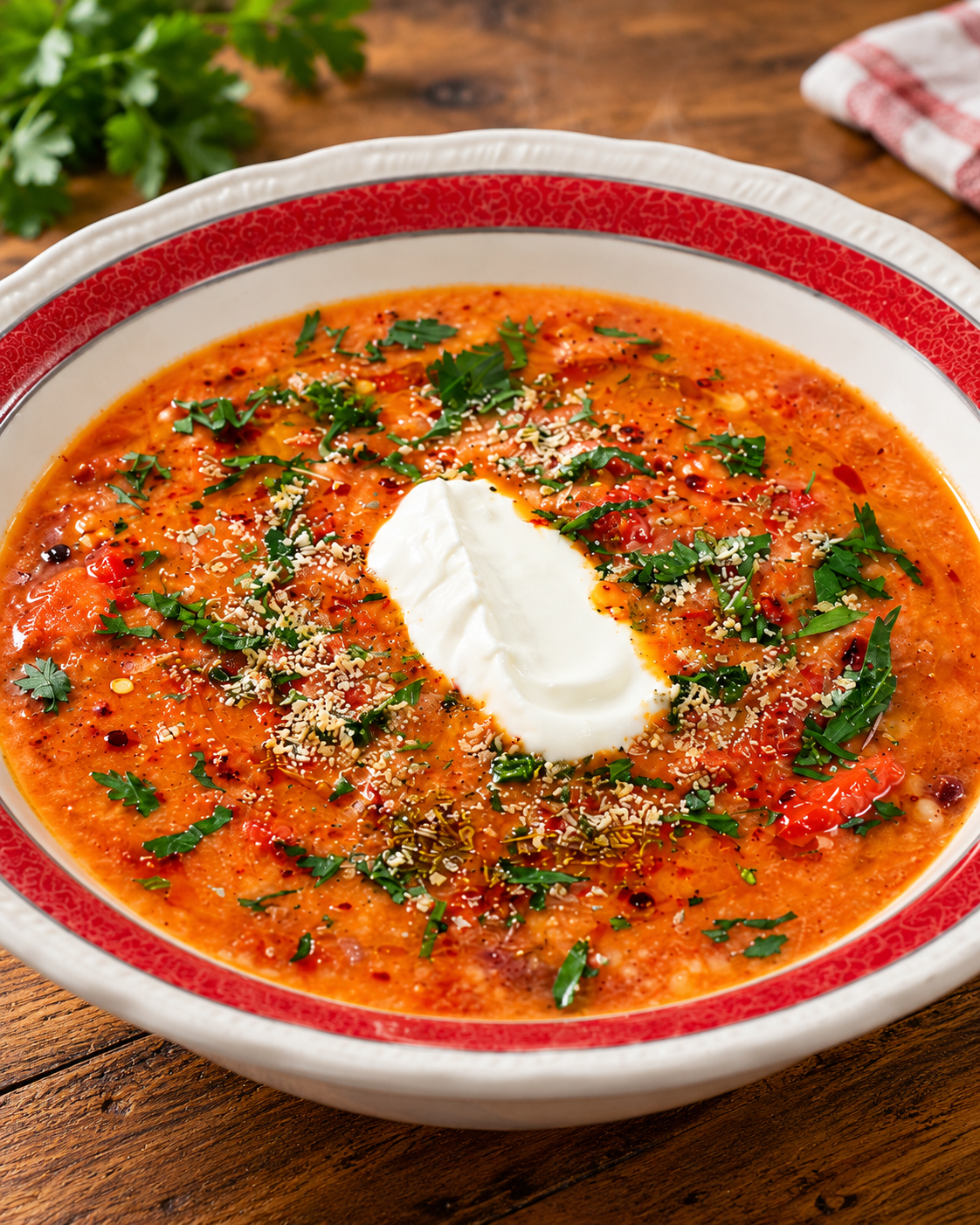
Kokkinistos Trahanas with Yogurt
Sour trahana simmered in a spicy tomato broth until creamy, served with cool Greek yogurt, boukovo and wild oregano — one humble food, countless traditions.
Read the story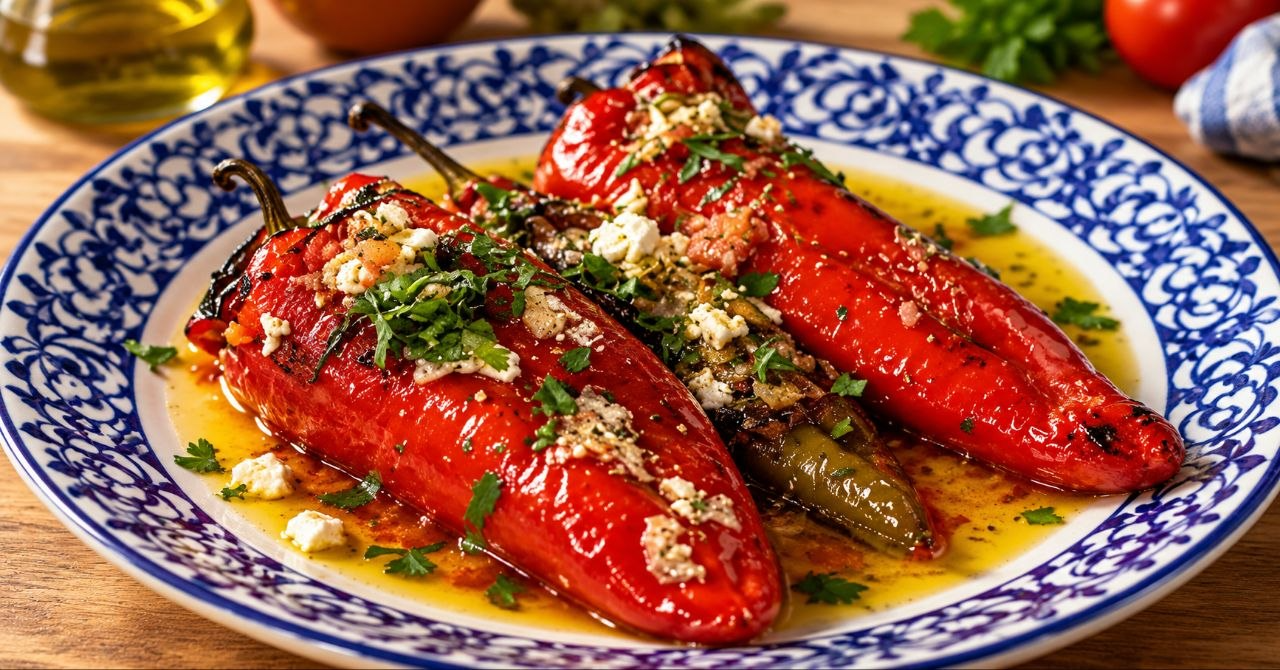
Stuffed Horn Peppers
Horn peppers stuffed with feta, tomato, garlic and wild oregano, baked until soft and caramelised — an American ingredient that became a Greek kitchen staple.
Read the story