How this dish came to life
Cultural significance
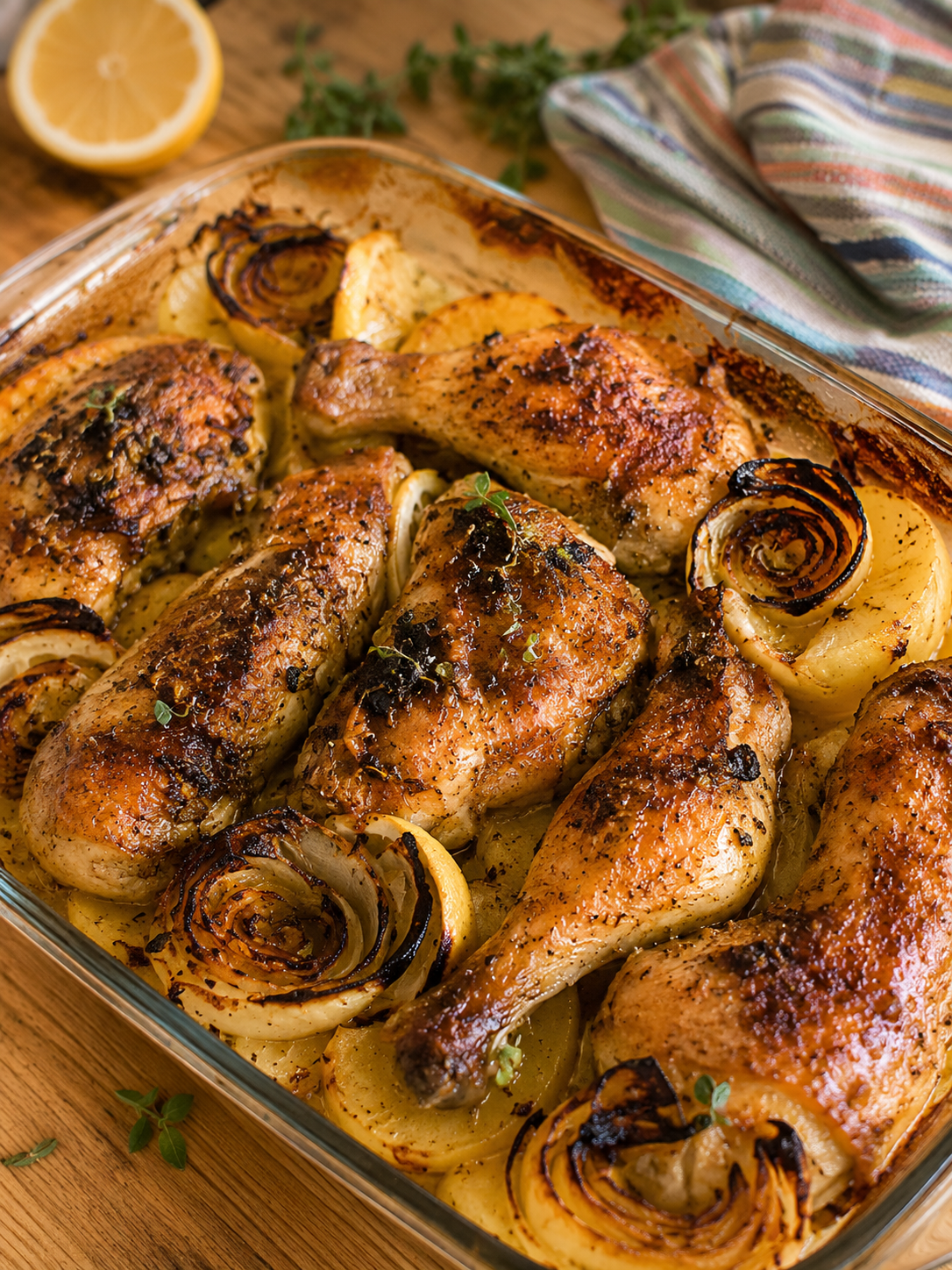
Lemon chicken with potatoes is the closest thing Greece has to a national Sunday dish. Every family makes their own version; every grandmother is certain hers is the right one. The debates are eternal: how much lemon (a lot), oregano dried or fresh (dried always, fresh for the finish), mustard yes or no (the modern version says yes; grandmothers argue). What no one debates is that the potatoes on the bottom of the tray, half-crisp and half-soaked in the lemon-oil-chicken drippings, are always the first thing to disappear.
step by step
Instructions
- 1
Preheat the oven to 180°C (350°F) top and bottom heat.
- 2
Peel the potatoes and cut them into thick wedges — about 8 wedges per medium potato. Waxy potatoes hold their shape; floury ones will collapse into the sauce. Spread the wedges across the base of a large deep baking tray in a single layer.
- 3
Sit the chicken thighs and drumsticks on top of the potatoes, skin side up. Tuck the halved onions into the gaps between them so they steam-roast in the pan juices — they turn into sweet, caramelised petals by the end.
- 4
In a small bowl, whisk together the olive oil, mustard, lemon juice, chopped garlic, tablespoon of oregano, and a generous pinch of salt and black pepper. Whisk hard until it emulsifies into a golden dressing.
- 5
Pour the marinade evenly over the chicken and potatoes, then pour the 200 ml of water into the tray around (not directly onto) the chicken. The water is what stops the potatoes from burning during the covered first hour and creates the steamy, lemony sauce.
- 6
Cover the tray with a sheet of damp baking paper (wet under the tap and wrung out — the damp paper stops the foil from sticking to the food and touching acidic juice), then seal tightly with aluminium foil.
- 7
Bake covered for 1 hour. The chicken poaches and the potatoes soften and drink up the pan juices without any of it drying out or over-colouring.
- 8
Take the tray out and remove the foil and paper (careful of the steam). The chicken will be pale and the potatoes will be sitting in a lovely lemony broth. Baste the chicken with a spoonful of the pan juices, then return to the oven — uncovered this time — for another 30–40 minutes at 180°C.
- 9
During this final stage the pan liquid reduces, the chicken skin caramelises to a deep golden brown, and the tops of the potatoes crisp up at the edges. If you want the skin extra dark, push the heat to 200°C for the last 10 minutes.
- 10
Take out of the oven and let the tray rest on the counter for 10 minutes — the resting is what lets the meat relax and the last of the juices redistribute.
- 11
Scatter over a handful of fresh thyme leaves, an extra pinch of oregano, and tuck a few lemon wedges into the tray for squeezing. Serve straight from the tray, family style, with a horiatiki salad, a block of feta, a bottle of dry white wine, and slices of village bread to mop the plate.
tips from the village —
Wisdom from grandmothers
- 01Waxy potatoes, not floury. Cyprus/Greek potatoes, Charlotte, or Yukon Gold all work. Baking potatoes (like Russet) fall apart into the sauce.
- 02Cover for the first hour, uncover for the last thirty. This is the whole trick. Covered = the chicken stays juicy and the potatoes cook through. Uncovered = the skin caramelises and the sauce reduces. Skip the covered stage and the potatoes burn while the chicken is still raw at the bone.
- 03The mustard is the modern hack. Old-school Greek yiayiades don't use it, but a spoonful of Dijon in the marinade emulsifies the olive oil with the lemon juice and helps the marinade cling to the chicken instead of running to the bottom of the tray.
- 04Chicken thighs and drumsticks, bone in and skin on. Breast dries out. Boneless dries out. The bone is what keeps the meat juicy over the long roast, and the skin is what feeds the potatoes.
- 05Damp baking paper under foil. Foil in direct contact with acidic lemon juice discolours and can taste metallic. The damp paper stops that and also traps steam better for the covered stage.
- 06Don't skip the 200 ml of water. It looks strange in a roasting tray but this is *tapsi* cooking — the water becomes steam, becomes broth, becomes the lemony sauce that soaks into the potatoes. Trust it.
- 07The onion halves. Wedged in among the chicken, they roast into sweet caramelised petals — arguably the best bite in the tray. Every family fights over them.
- 08Rest before serving. Ten minutes on the counter. This lets the meat relax and the juices redistribute.
- 09Bread is not optional. There is no version of this dish that isn't dragged across the plate with a torn piece of village bread. Ask any Greek grandmother.
- 10Even better the next day. Cold lemon-chicken sandwich in a fresh village bun with a slice of feta and a green olive — this is the Greek Monday lunch and it's arguably better than the Sunday roast that made it possible.
Related recipes
Avgofetes
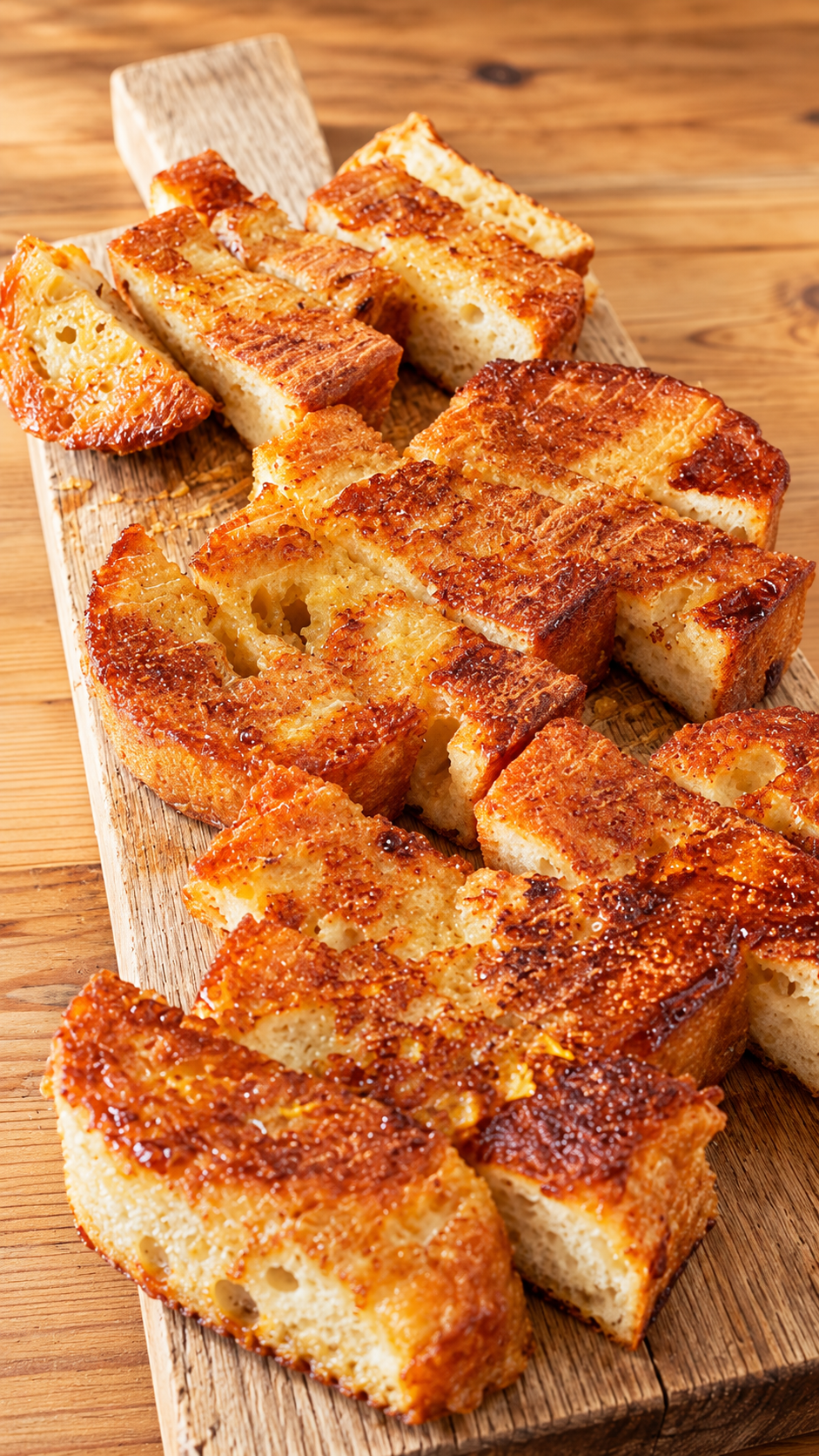
Greek egg-fried bread — yesterday's loaf dipped in egg and milk, fried golden in olive oil and served with honey and cinnamon. Older than French toast.
Read the story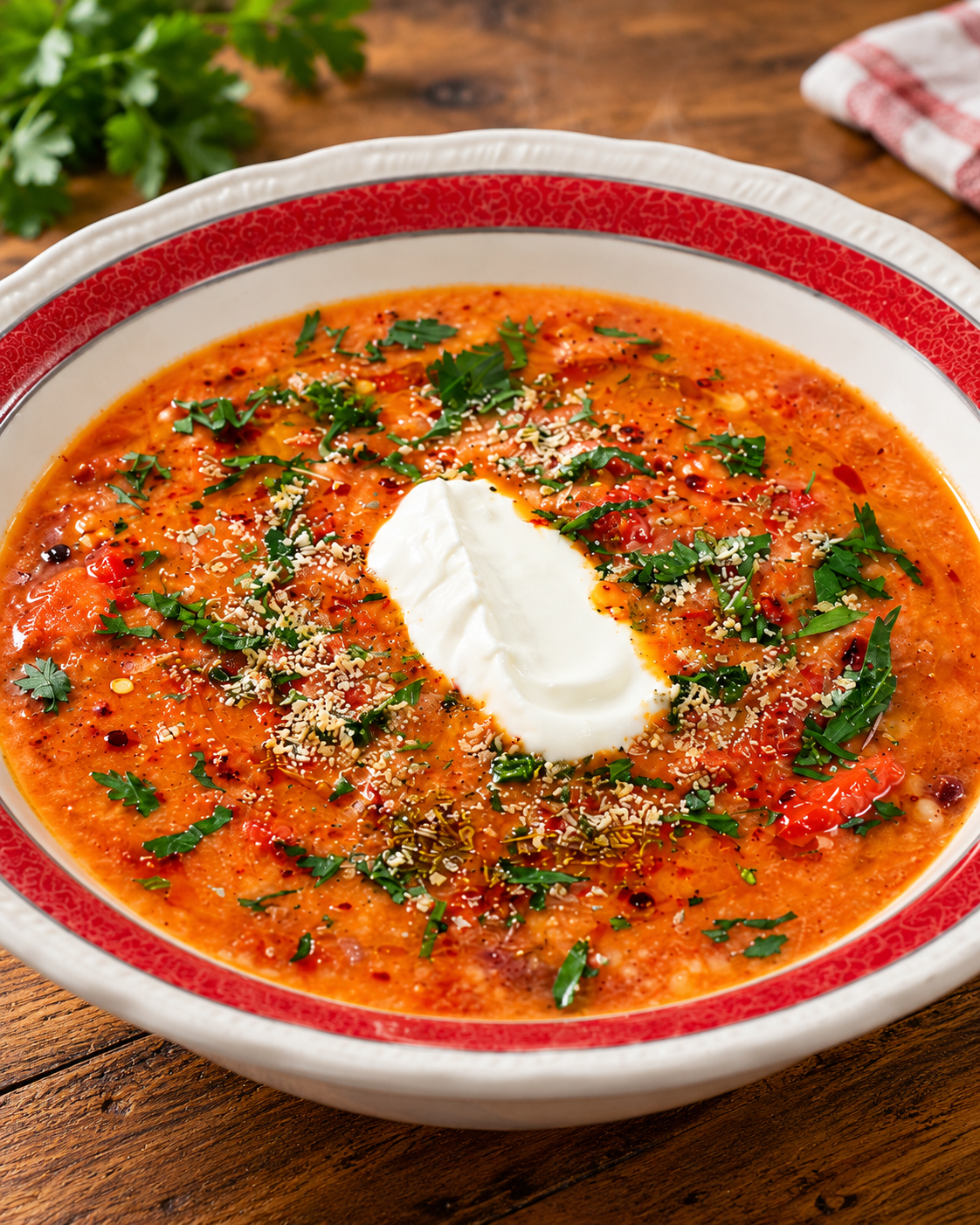
Kokkinistos Trahanas with Yogurt
Sour trahana simmered in a spicy tomato broth until creamy, served with cool Greek yogurt, boukovo and wild oregano — one humble food, countless traditions.
Read the story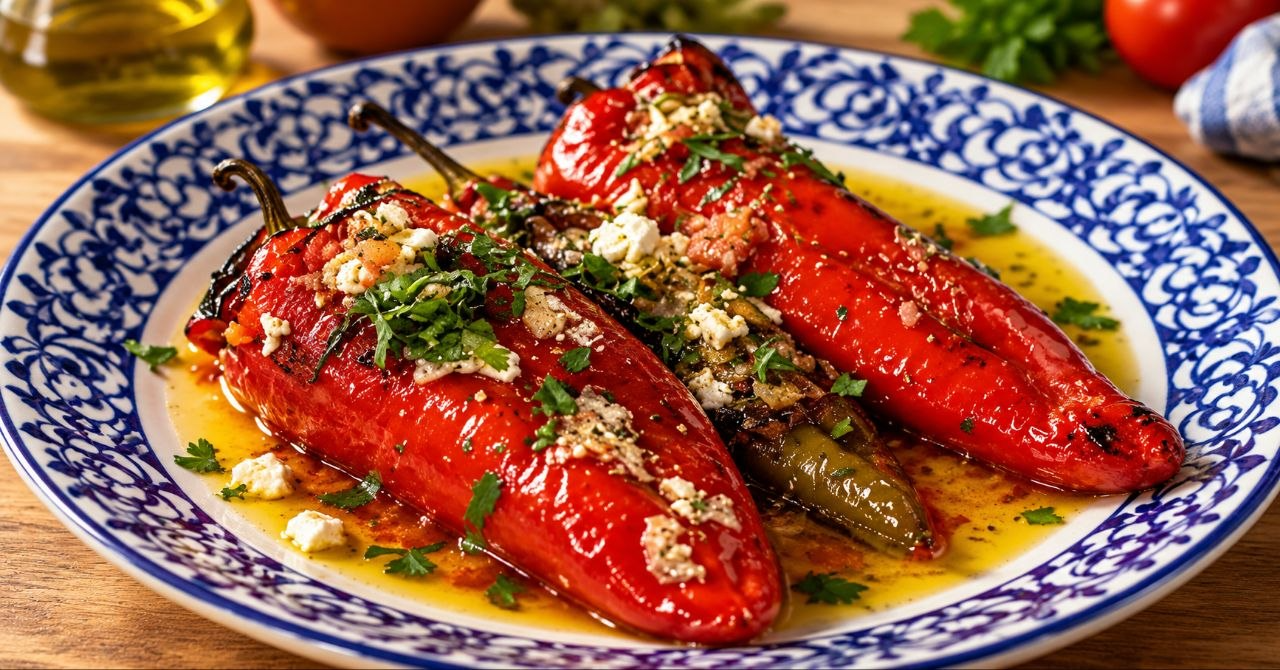
Stuffed Horn Peppers
Horn peppers stuffed with feta, tomato, garlic and wild oregano, baked until soft and caramelised — an American ingredient that became a Greek kitchen staple.
Read the story