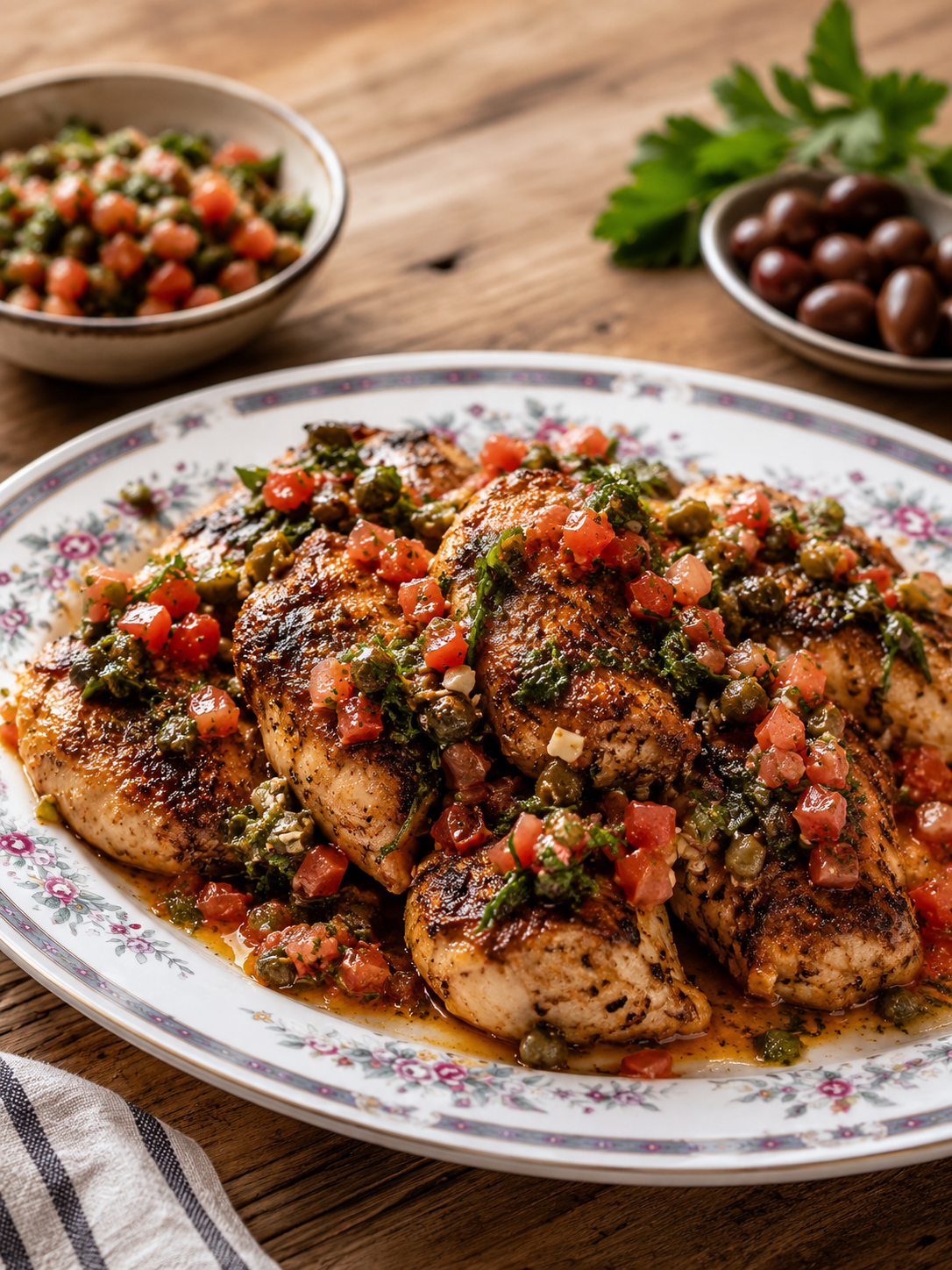
How this dish came to life
Cultural significance
This is a *modern* Mediterranean dish rather than an ancient one — a plate built out of the Mediterranean kitchen's oldest instincts (olive oil, lemon, oregano, tomato) but assembled in the free, contemporary way that Greek and Cypriot home cooks now serve their weeknight food: hot chicken, cool yogurt, bright raw salsa, all in one long plate down the middle of the table. It's the sort of dish you make with friends around the kitchen, a glass of white wine in your hand, and the oven doing most of the work.
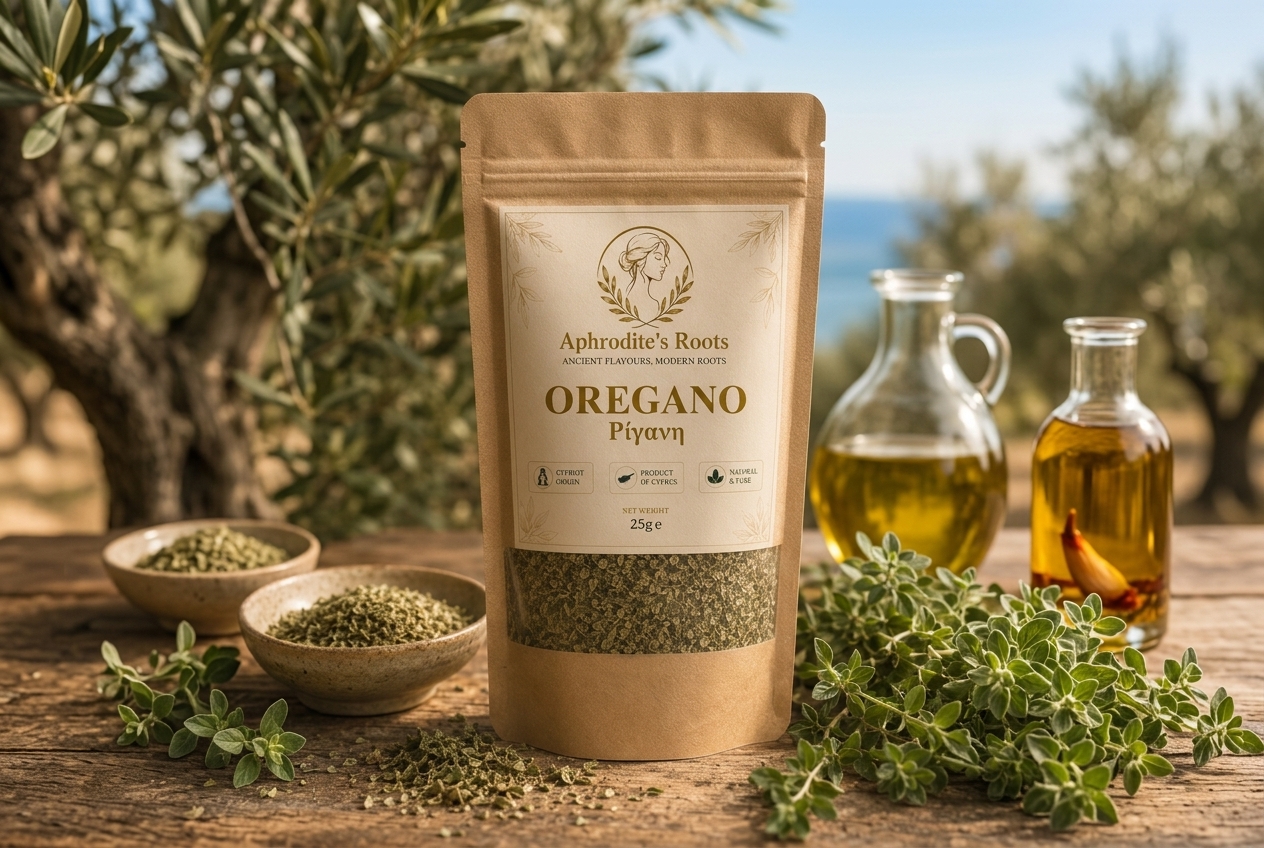
step by step
Instructions
- 1
Preheat the oven to 200°C (400°F). Line a baking tray with parchment or lightly oil the base.
- 2
Make the marinade. In a small bowl, whisk together the Dijon mustard, the juice of 1 lemon, 4 tbsp olive oil, the tablespoon of oregano, and a generous pinch of salt and black pepper. Whisk hard — the mustard emulsifies the mixture into a golden, glossy dressing.
- 3
Put the chicken drumsticks in a large bowl, pour the marinade over, and toss with your hands so every drumstick is completely coated — get right under the skin where you can.
- 4
Arrange the drumsticks on the baking tray with space between them (don't crowd — steam is the enemy of crisp skin). Pour any marinade left in the bowl over the top.
- 5
Roast for 25–30 minutes, turning once halfway through, until the skin is deeply golden brown, the flesh is cooked through, and the pan juices are bubbling.
- 6
While the chicken roasts, make the Mediterranean salsa. In a mixing bowl, combine the diced tomatoes, chopped garlic, capers, juice of the second lemon, and 3 tbsp olive oil. Season with salt, pepper, and a pinch of sugar (to lift the tomatoes). Stir in the chopped fresh parsley and mint. Taste and adjust — it should be punchy and bright.
- 7
When the chicken is ready, lift the drumsticks off the tray onto a plate. Do NOT discard the pan juices — they are half the dish. Tip the salsa straight into the hot tray with the juices and stir gently. The salsa will slightly warm and the pan drippings will melt into the olive oil dressing.
- 8
Spread the Greek yogurt across the base of a large serving platter with the back of a spoon, making generous swooshes and dips.
- 9
Arrange the roasted chicken drumsticks over the yogurt. Spoon the warm Mediterranean salsa generously over the top — let it drape and run into the yogurt.
- 10
Finish with sliced Kalamata olives, an extra shower of Aphrodite's Roots oregano, and a scatter of fresh parsley. Serve immediately with warm pita, crusty bread, or a simple rice pilaf. A cold glass of white wine — Assyrtiko if you're feeling Greek — sits alongside it beautifully.
tips from the village —
Wisdom from grandmothers
- 01Whisk the marinade until it emulsifies. The mustard is what holds the olive oil and lemon juice together — a proper whisk turns three separate things into one glossy dressing that clings to the chicken.
- 02Get the marinade under the skin. Loosen the skin from the flesh with your fingertip and push a little marinade underneath — it's what makes the meat itself taste of lemon and oregano, not just the crust.
- 03Don't crowd the tray. Chicken drumsticks huddled together will steam and go pale. Give each one 2 cm of breathing space so the skin crisps properly.
- 04Never throw away the pan juices. This is the Mediterranean way — the tray drippings go straight into the salsa. They carry all the caramelised lemon, mustard, and chicken fat that turn the salsa from good to unforgettable.
- 05Salsa is raw, warmed by the pan. You are NOT cooking the salsa. Tipping it into the still-hot tray gently wilts the herbs and marries the flavours without cooking away the freshness.
- 06Salt the yogurt if you like. Some Greek cooks add a tiny pinch of salt and a spoonful of olive oil to the yogurt base — it makes it feel less like breakfast and more like a proper sauce.
- 07Room-temperature yogurt, not fridge-cold. Take the yogurt out 15 minutes before serving. Ice-cold yogurt shocks the hot chicken and the salsa loses its swagger.
- 08Serve it family style. This dish wants to be laid down the middle of the table on one big platter, with everyone reaching in. Individual portions kill half the pleasure.
Related recipes
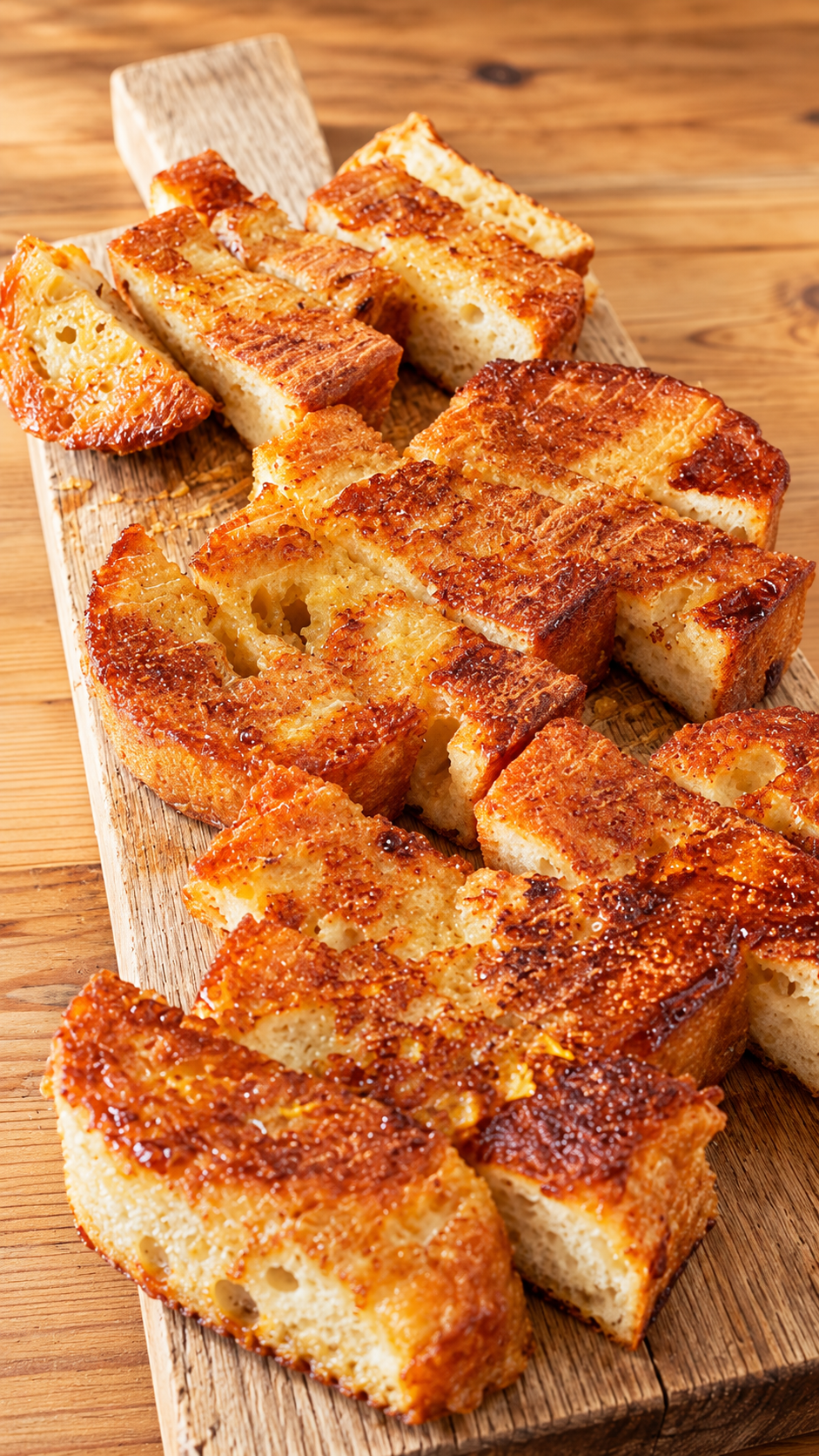
Avgofetes
Greek egg-fried bread — yesterday's loaf dipped in egg and milk, fried golden in olive oil and served with honey and cinnamon. Older than French toast.
Read the story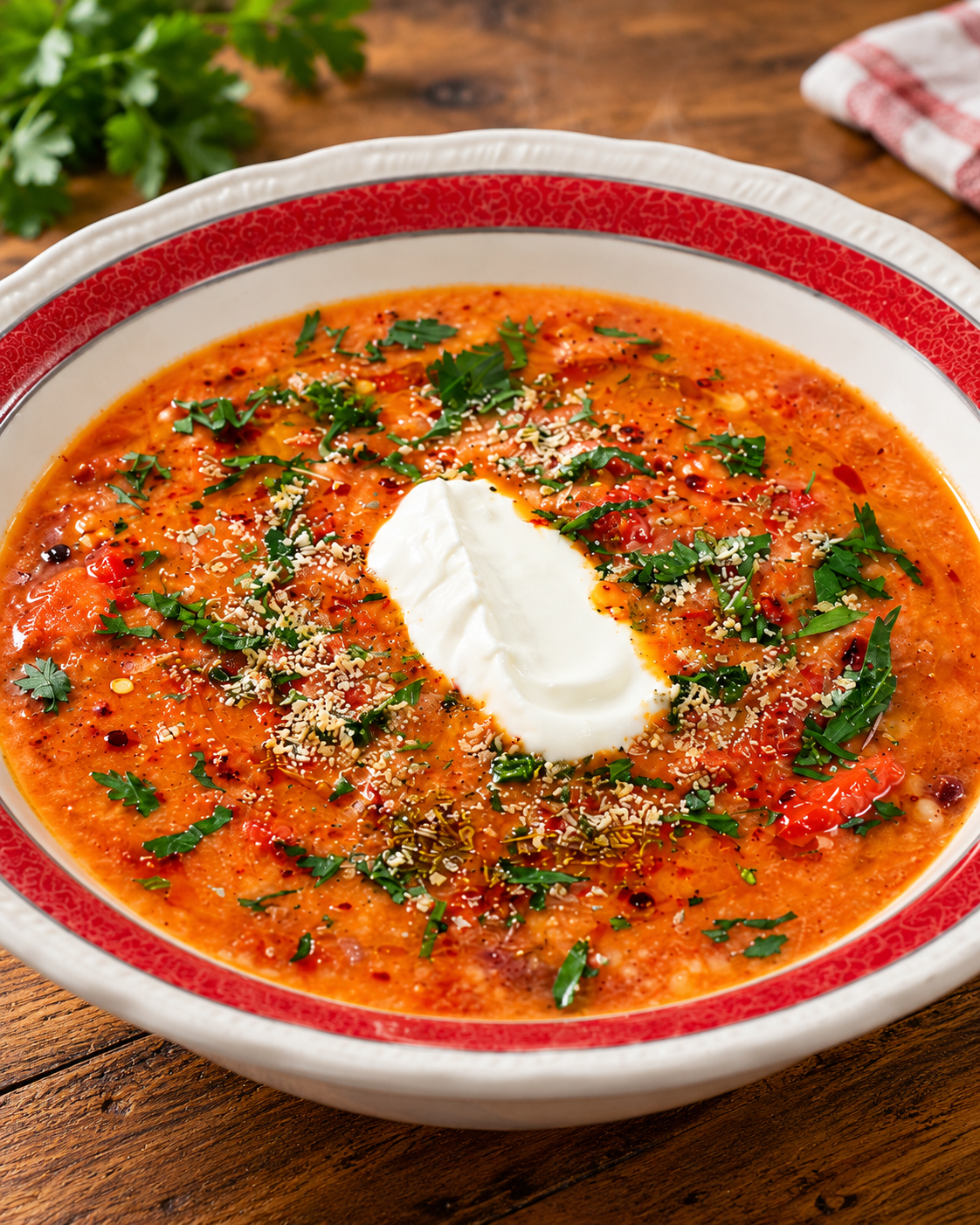
Kokkinistos Trahanas with Yogurt
Sour trahana simmered in a spicy tomato broth until creamy, served with cool Greek yogurt, boukovo and wild oregano — one humble food, countless traditions.
Read the story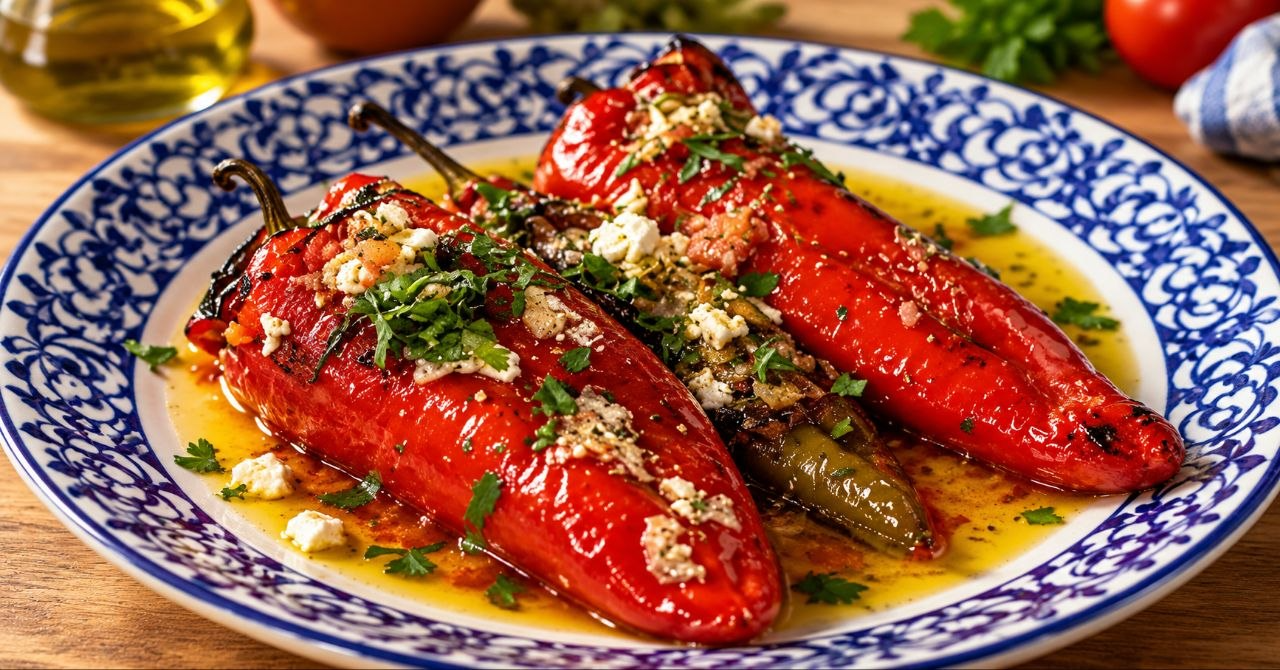
Stuffed Horn Peppers
Horn peppers stuffed with feta, tomato, garlic and wild oregano, baked until soft and caramelised — an American ingredient that became a Greek kitchen staple.
Read the story