a dish from greece —
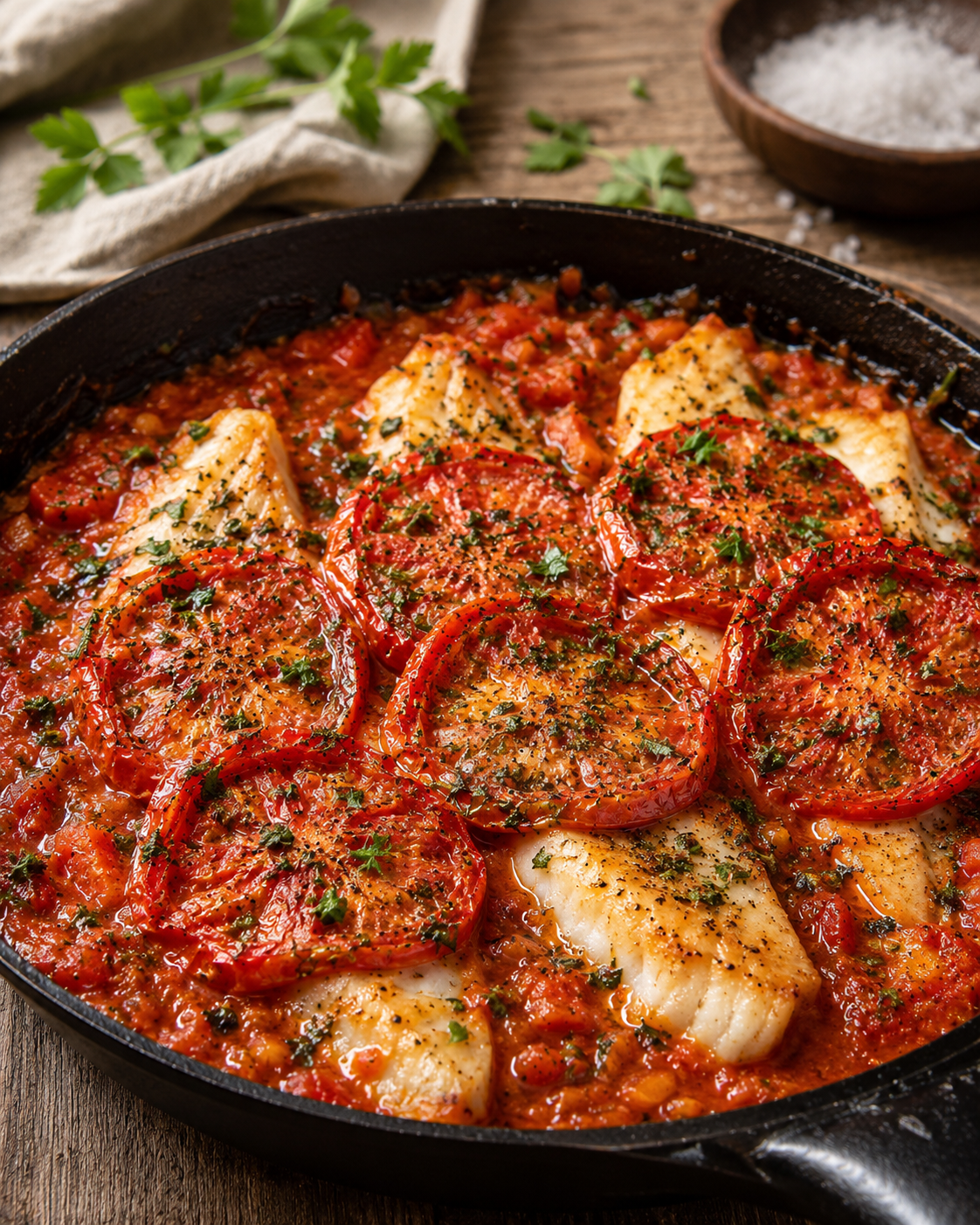
Psari à la Spetsiota
How this dish came to life
Cultural significance
What began as simple island cooking eventually became one of Greece's most recognisable fish dishes, carrying the flavours and maritime history of Spetses far beyond its shores.
step by step
Instructions
- 1
Finely chop the onion and garlic, dice the tomatoes, and finely chop the parsley — keeping leaves and stems separate.
- 2
In a cast-iron pan, add the olive oil and sweat the onion, garlic and parsley stems.
- 3
Add the diced tomato and let it glaze for 5 minutes over medium heat.
- 4
Add the tomato paste and the wine, and let it simmer for another 10 minutes.
- 5
Adjust the seasoning with salt, pepper and a little boukovo.
- 6
Season the fish fillets with salt and pepper and lay them over the sauce. Cover them with the tomato slices to keep them juicy.
- 7
Scatter a little more chopped parsley over the top and bake at 200°C for 15 minutes, or until the tomato slices take on colour.
- 8
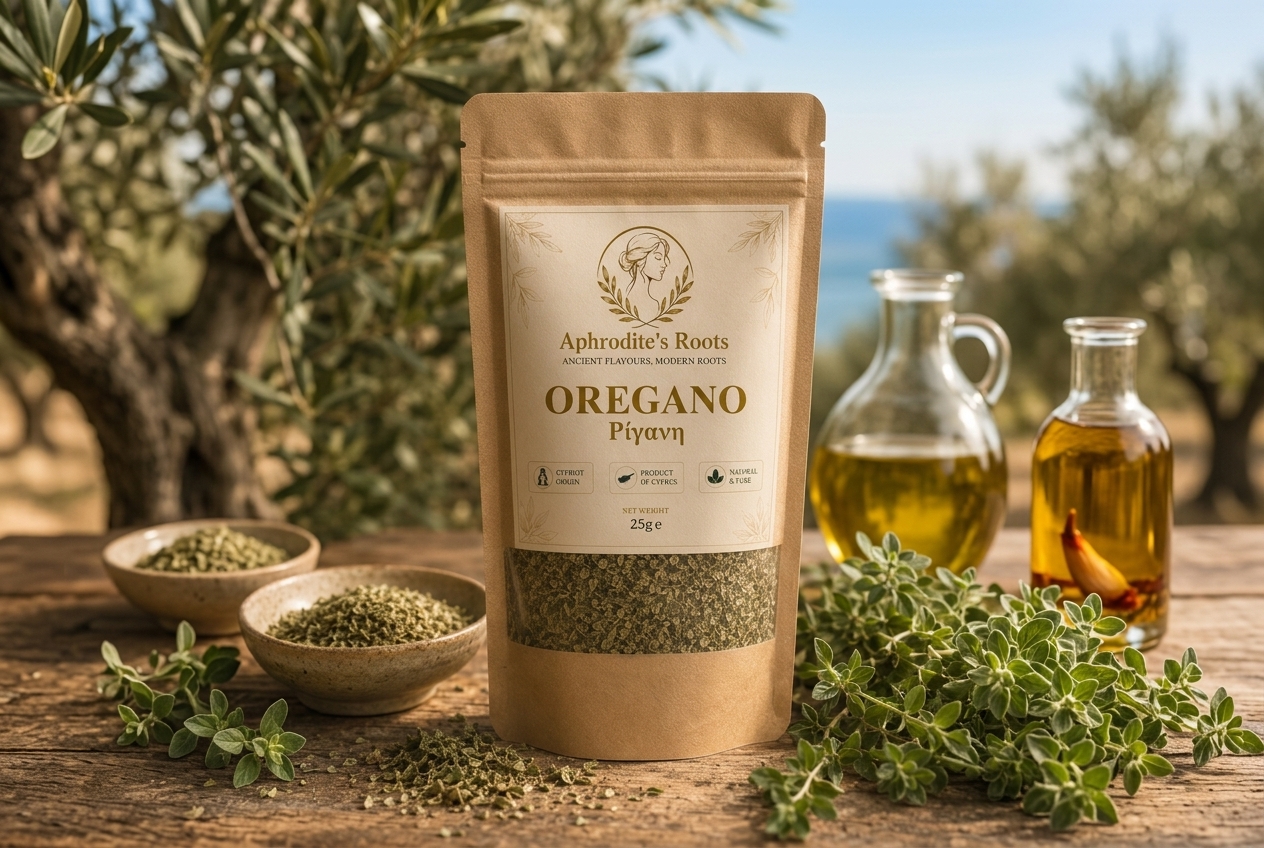
Finish with a drizzle of olive oil, fresh parsley, and a generous pinch of Aphrodite's Roots wild oregano rubbed between your palms over the hot pan.
tips from the village —
Wisdom from grandmothers
- 01The parsley stems in the sauce are old island wisdom — that's where the deepest flavour hides.
- 02The tomato slices over the fillets act like little lids, steaming the fish so it never dries out.
- 03Use firm, ripe tomatoes; watery ones will drown the sauce instead of glazing it.
- 04The final rub of wild oregano over the hot pan is the 'Island of Aromas' moment — don't skip it.
Related recipes
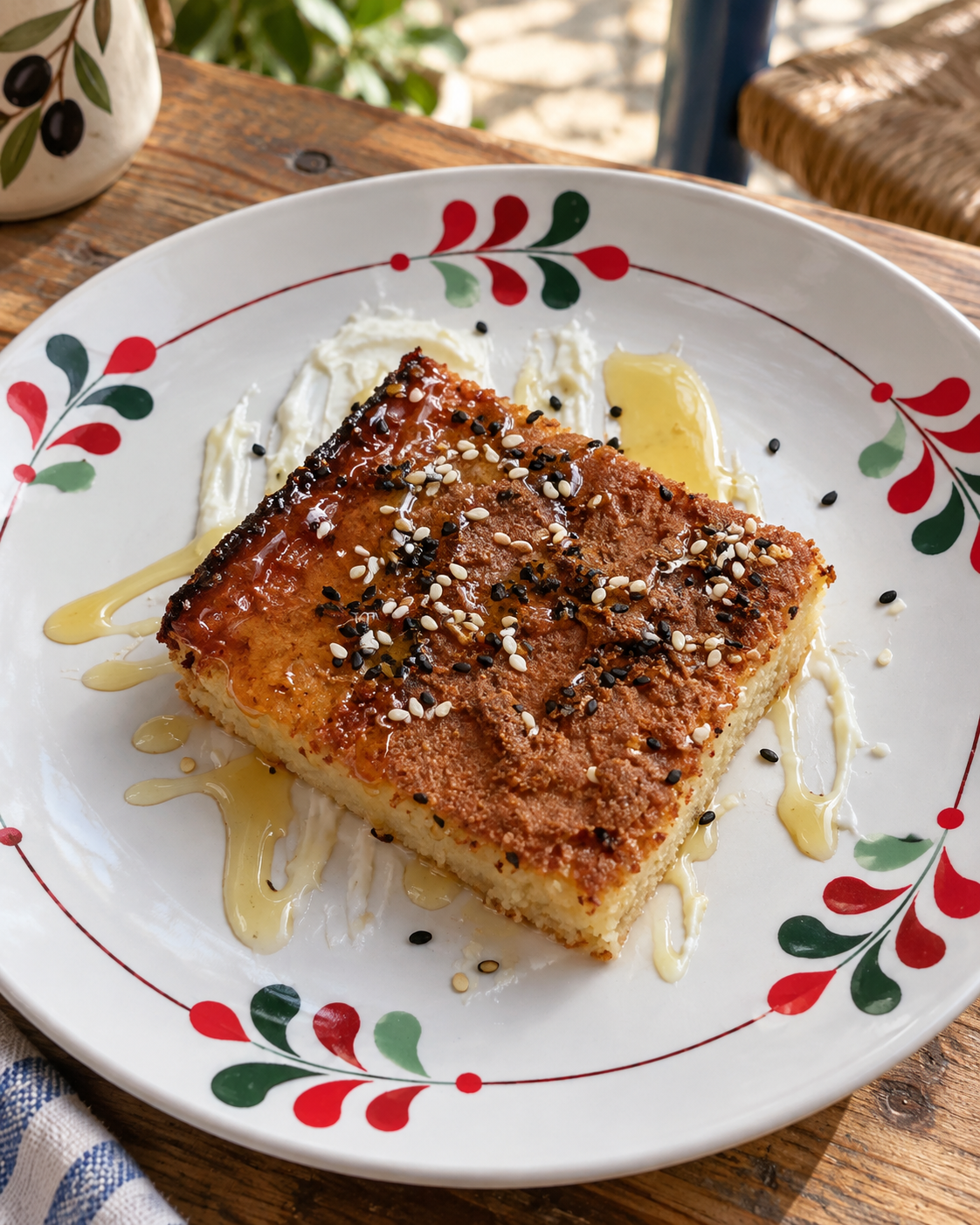
Melopita
The honey pie of Sifnos — fresh anthotyro, honey and eggs baked without pastry into a soft, golden custard. Ranked the world's number one sweet pie by TasteAtlas.
Read the story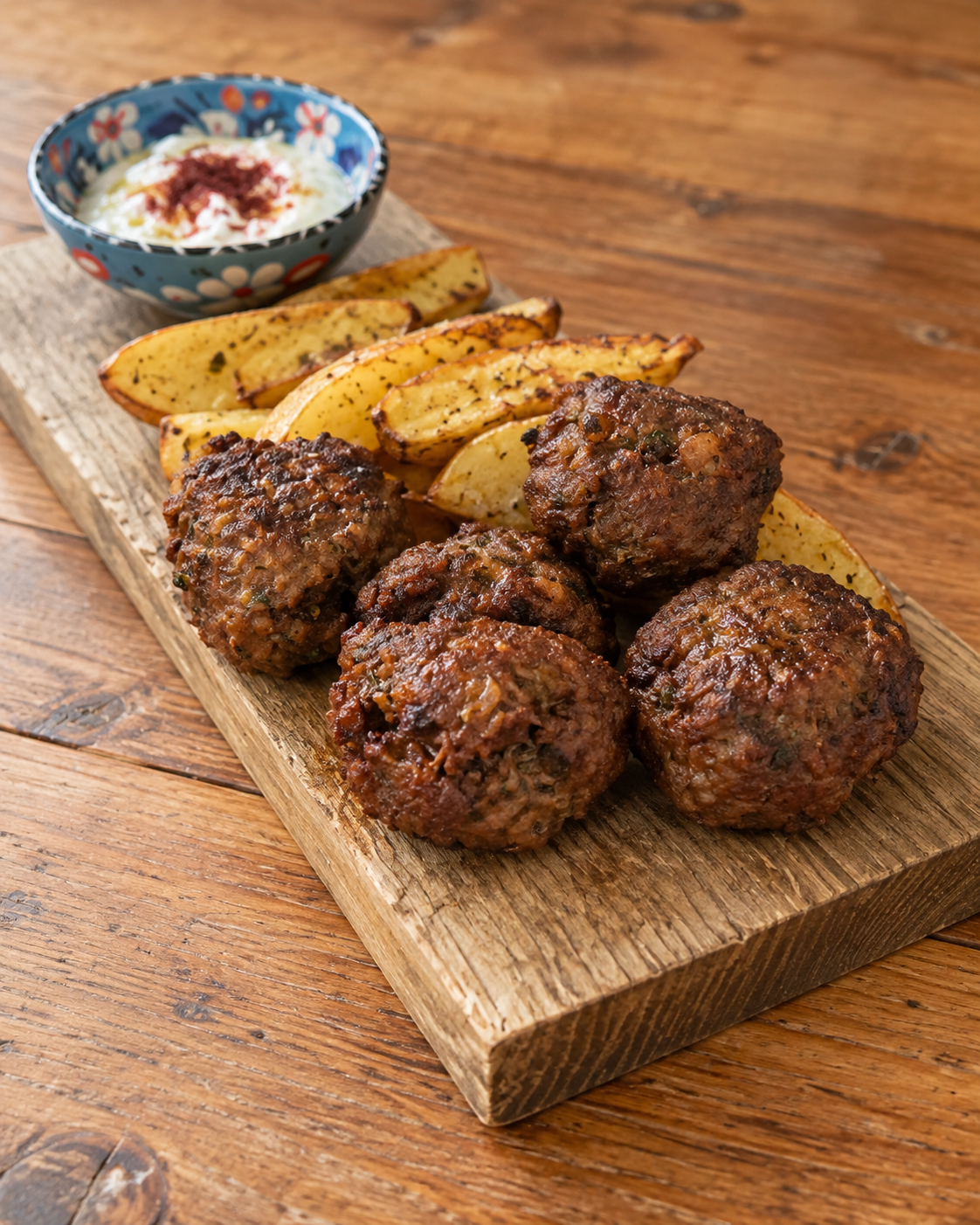
Keftedakia
Golden fried Greek meatballs with mint, lemon, cumin and wild oregano — an idea that travelled from Persia to every Greek island and family table.
Read the story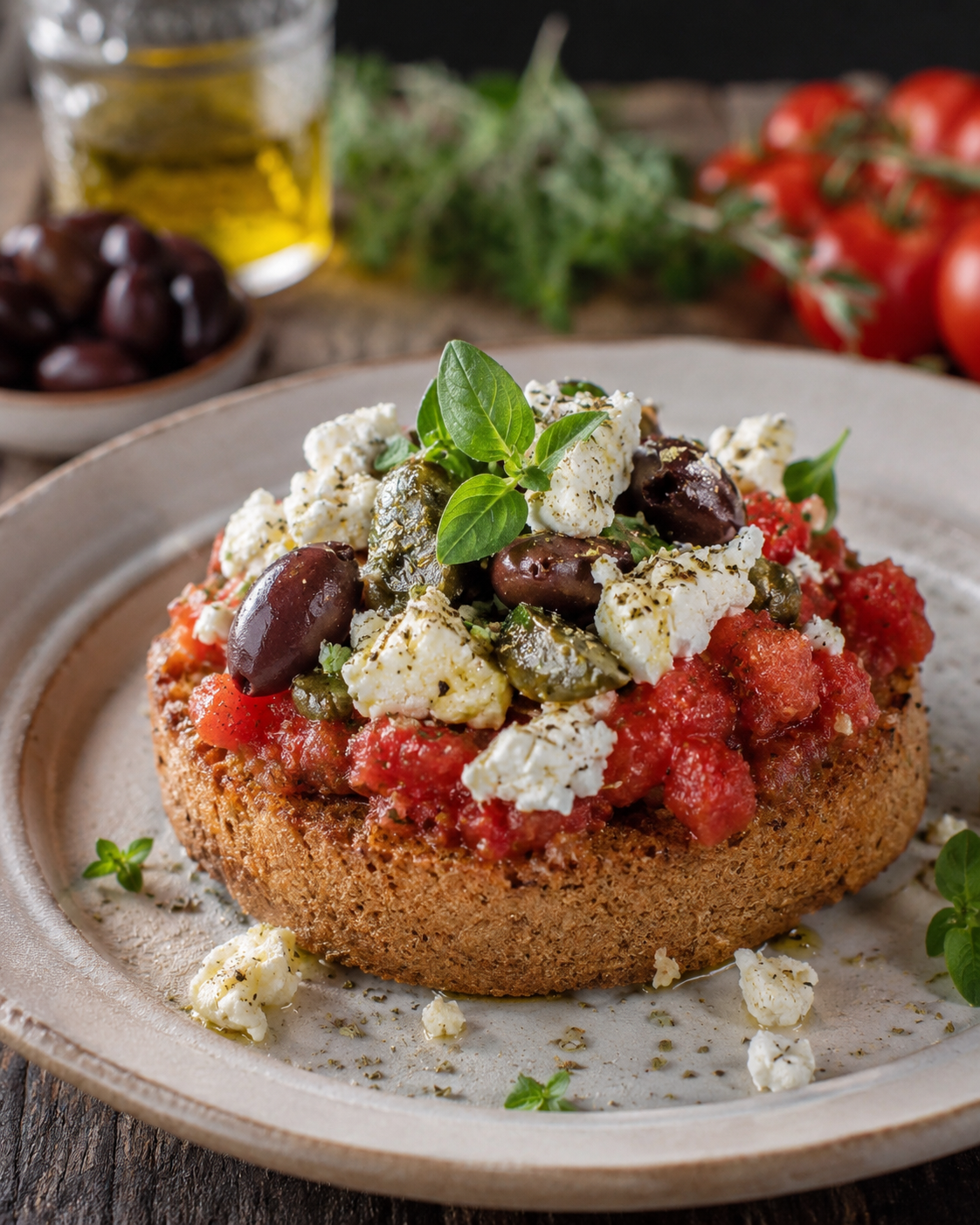
Dakos
Crete's twice-baked barley rusk soaked with marinated grated tomato, crowned with feta, capers, olives and wild oregano — field food that became a symbol of an island.
Read the story