a dish from greece —
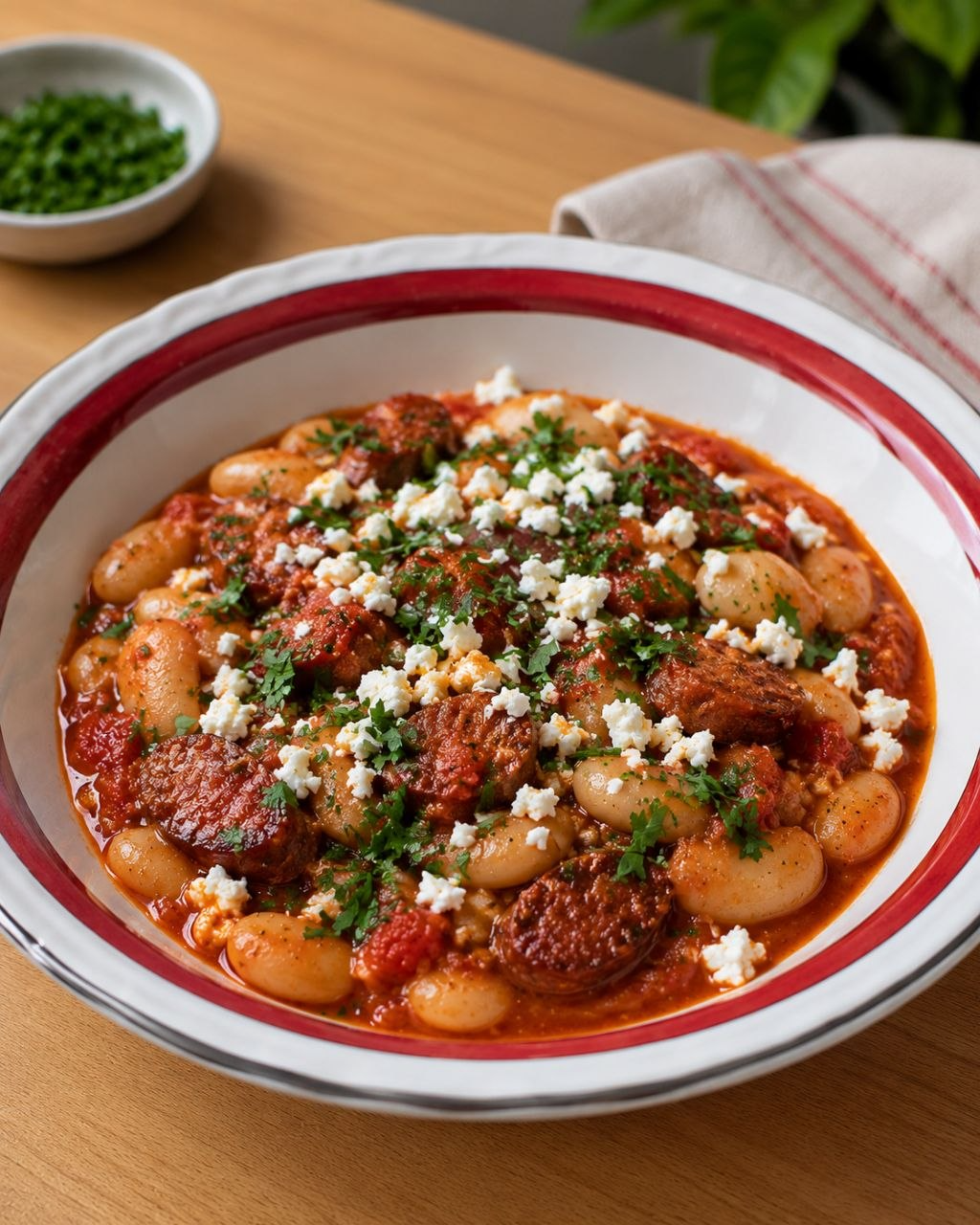
Gigantes Plaki with Cypriot Loukanika
How this dish came to life
Cultural significance
Gigantes Plaki is one of the great Lenten dishes of mainland Greece — the giant beans (gigantes) from the Prespes region carry PDO status and are slow-baked in tomato in a style that has barely changed for a hundred years. Cypriot Loukaniko Choriatiko is a wine-cured village sausage with its own PDO claim, traditionally hung above wood smokehouses in the villages of the Cypriot countryside. Pairing them is a modern Greek-Cypriot crossover plate that has emerged in the diaspora and in younger Athenian and Limassol restaurants — a dish that celebrates both kitchens without choosing between them. A symbol of how Greek and Cypriot tables, for all their distinctions, have always been talking to each other.
step by step
Instructions
- 1
The night before, soak the gigantes in a large bowl of cold water with a pinch of bicarbonate of soda — the beans will double in size.
- 2
The next day, drain the beans, rinse, and tip them into a large pot of fresh cold water. Bring to a boil for 5 minutes and skim off any foam.
- 3
Lower to a gentle simmer and cook the beans, uncovered, for 60–75 minutes until tender but still holding their shape (a soft skin, a creamy inside — never mushy). Add salt only in the last 10 minutes — too early and the skins toughen.
- 4
While the beans cook, heat the oven to 180°C / 355°F. Heat 3 tbsp of the olive oil in a wide, heavy oven-proof pan over medium-high heat.
- 5
Add the sliced loukanika and cook for 3–4 minutes, turning, until the coins are deeply caramelised at the edges. Lift them out onto a plate, leaving the smoky oil behind.
- 6
Lower the heat to medium. In the same pan, sauté the onion, garlic, chopped red peppers and the parsley stems with a pinch of salt for 8 minutes until soft and just turning gold.
- 7
Stir in the paprika and tomato paste; cook 1 minute until the paste deepens in colour. Add the chopped tomatoes, the sugar, plenty of black pepper, and let it bubble down for 5 minutes.
- 8
Drain the beans, reserving a cup of their cooking liquid. Tip the cooked beans into the pan with the tomato sauce. Return the loukaniko coins to the pan. Pour in the stock (or use the reserved bean liquid).
- 9
Stir gently to combine, then transfer the whole pan (or scrape everything into a deep clay/ceramic baking dish) into the oven. Drizzle the remaining 2 tbsp of olive oil generously over the top.
- 10
Bake, uncovered, for 35–45 minutes, until the sauce has thickened, the top is glossy and golden-edged, and the beans have drunk in the smoke from the loukaniko. Stir gently once halfway through.
- 11
Pull the dish out and rest 5 minutes. Crumble the feta generously over the top, scatter the oregano, the boukovo, and the fresh parsley leaves. Drizzle one last thread of olive oil.
- 12
Serve straight from the dish, with bread to mop the sauce and a glass of cold red wine. Like all great bean dishes, this one is even better the next day.
tips from the village —
Wisdom from grandmothers
- 01Soak the beans overnight, and never skip the bicarb — it speeds up the cook and makes the bean skins meltingly tender.
- 02Add salt to the beans only in the last 10 minutes of boiling. Salt too early and the skins stay tough.
- 03Use real Cypriot loukaniko Choriatiko if you can — coriander-cracked, wine-cured, dry-smoked. A good rustic Spanish chorizo is the closest stand-in.
- 04A clay or ceramic baking dish is ideal — it holds the heat and crisps the edges. A heavy oven-proof pan also works.
- 05Make a double batch. Gigantes plaki keeps in the fridge for 4 days and is sublime at room temperature the next afternoon.
Related recipes
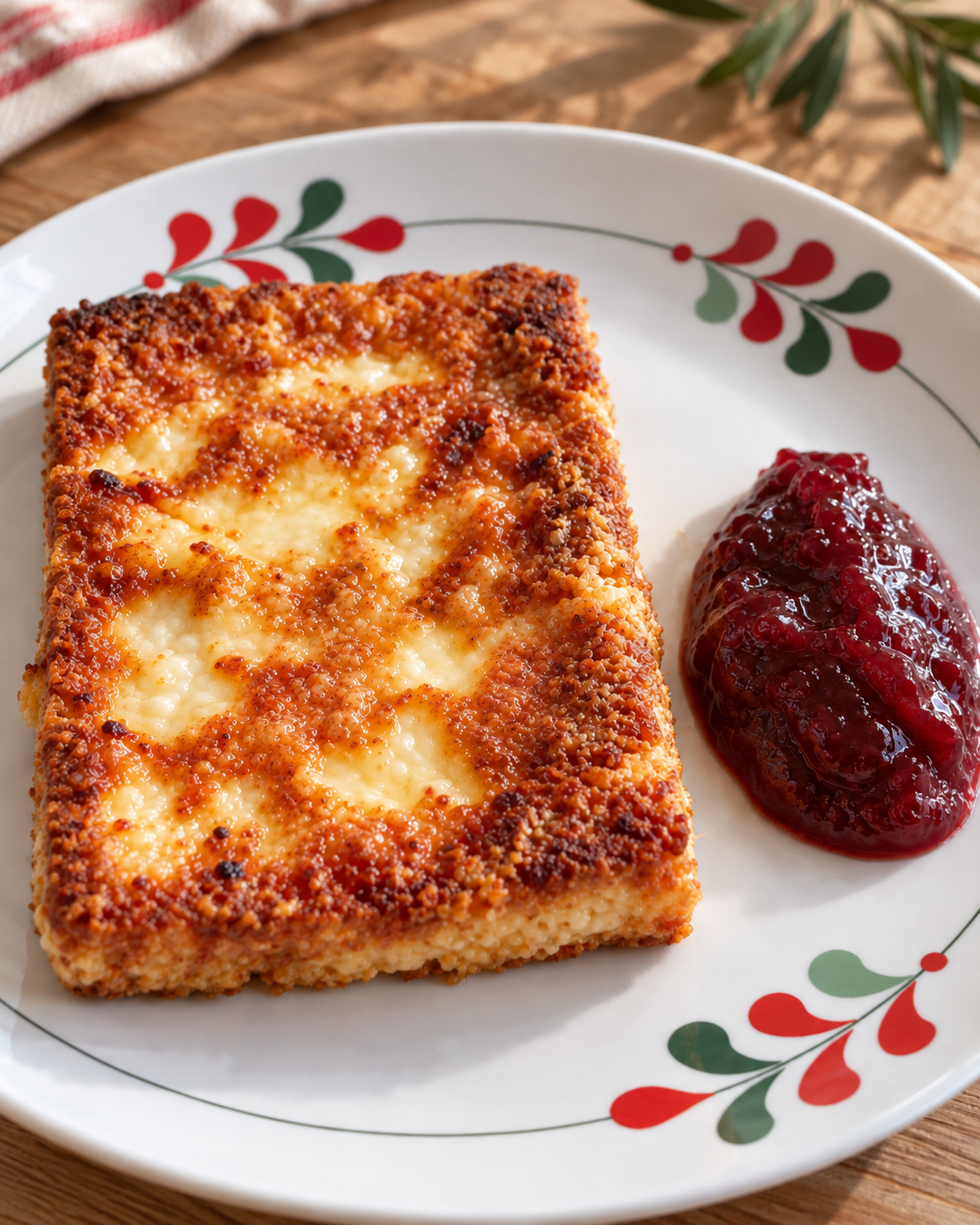
Saganaki with Grape Jam
Golden fried cheese, crisp outside and molten within, served with a slow-cooked grape jam brightened with lime — the taverna classic named after its little pan.
Read the story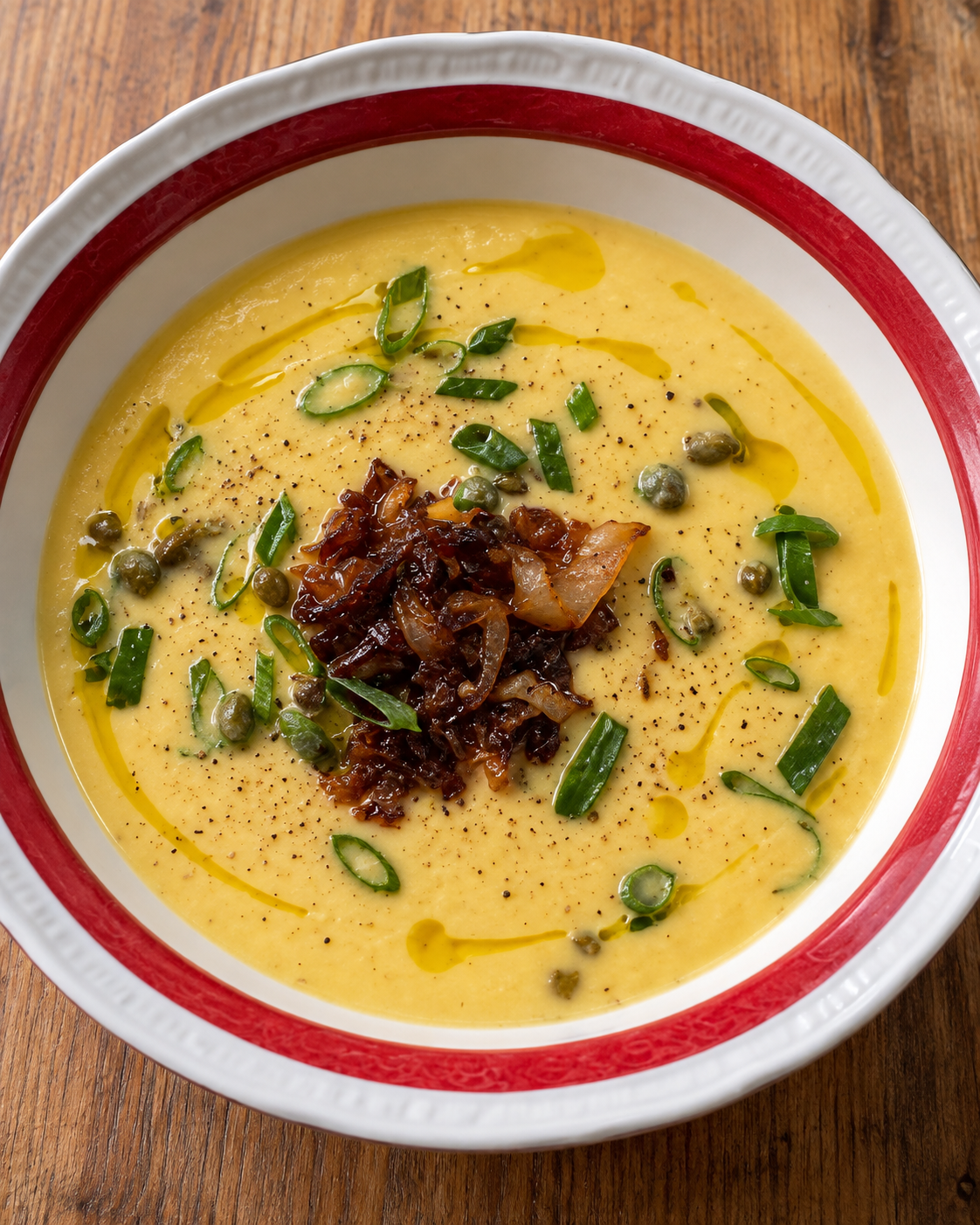
Fava
Silky yellow split-pea purée crowned with caramelized onions and capers — a dish that survived the volcano that buried ancient Santorini.
Read the story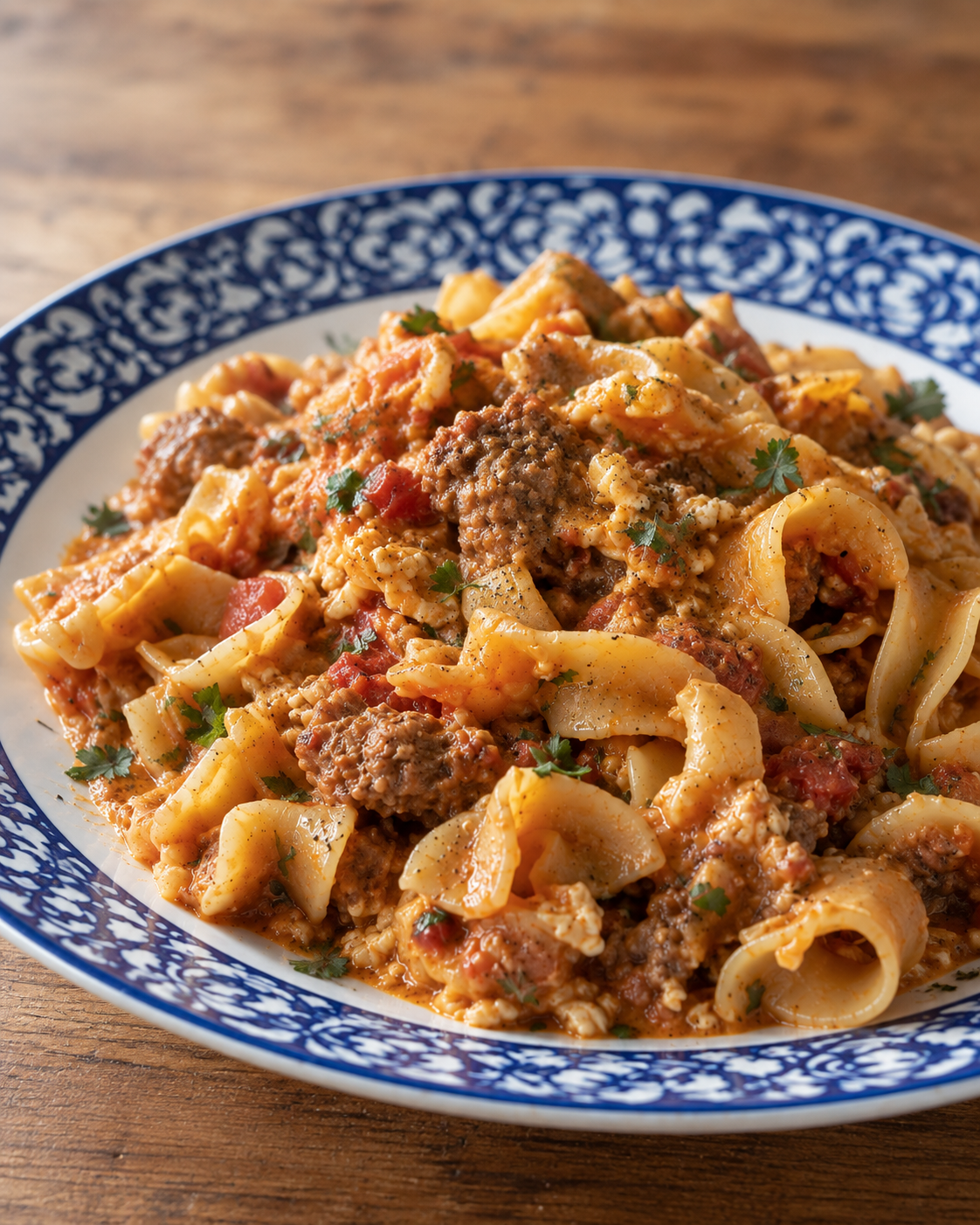
Hilopites with Sausages & Eggs
Greece's village egg pasta simmered with sausages, peppers and tomato, finished with eggs stirred through for creaminess — topped with feta and wild oregano.
Read the story