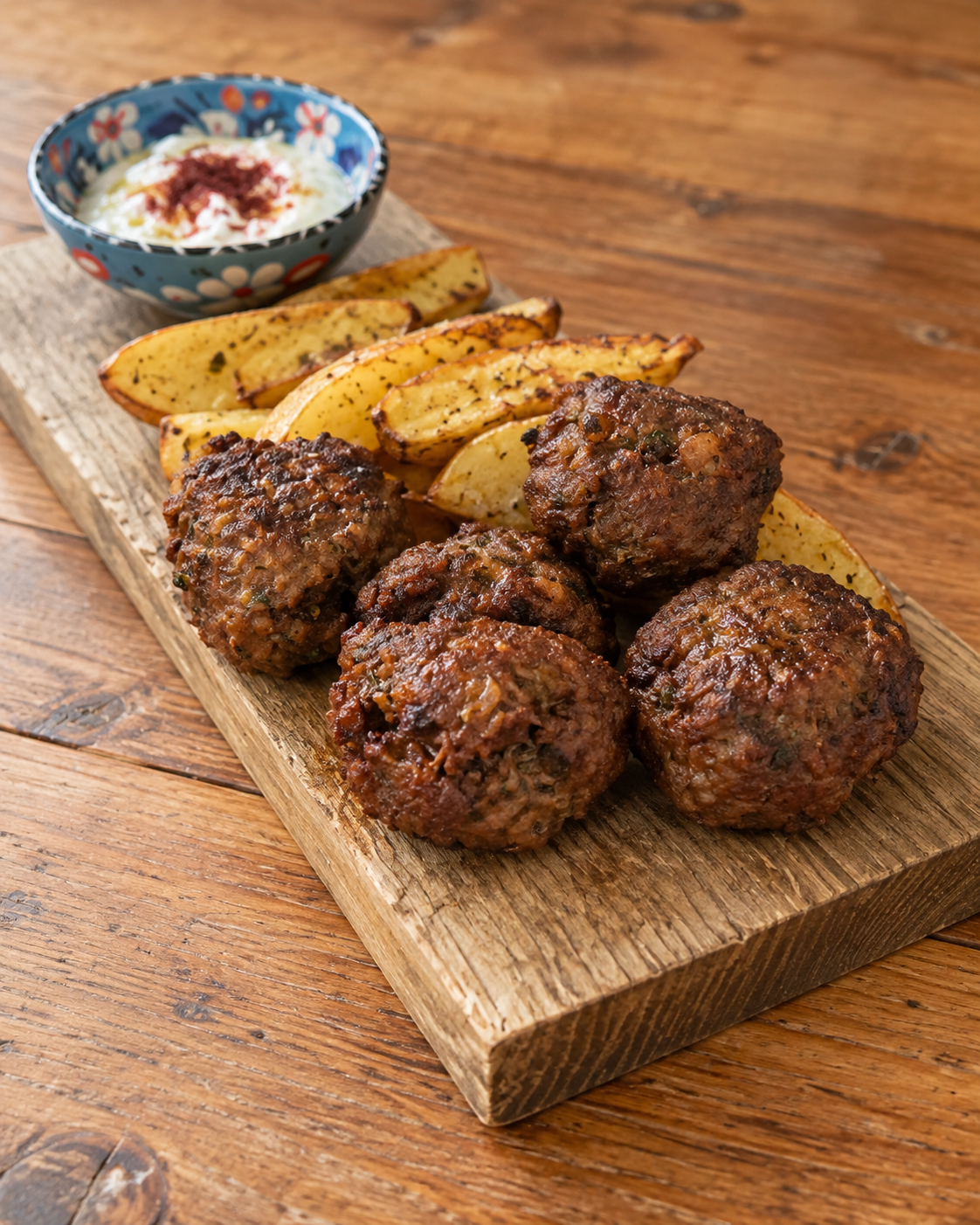
How this dish came to life
Cultural significance
From the tomatoes of Santorini to the chickpeas of Sifnos, every place used what it had. And that is how the humble keftes earned a permanent place on the Greek table.
step by step
Instructions
- 1
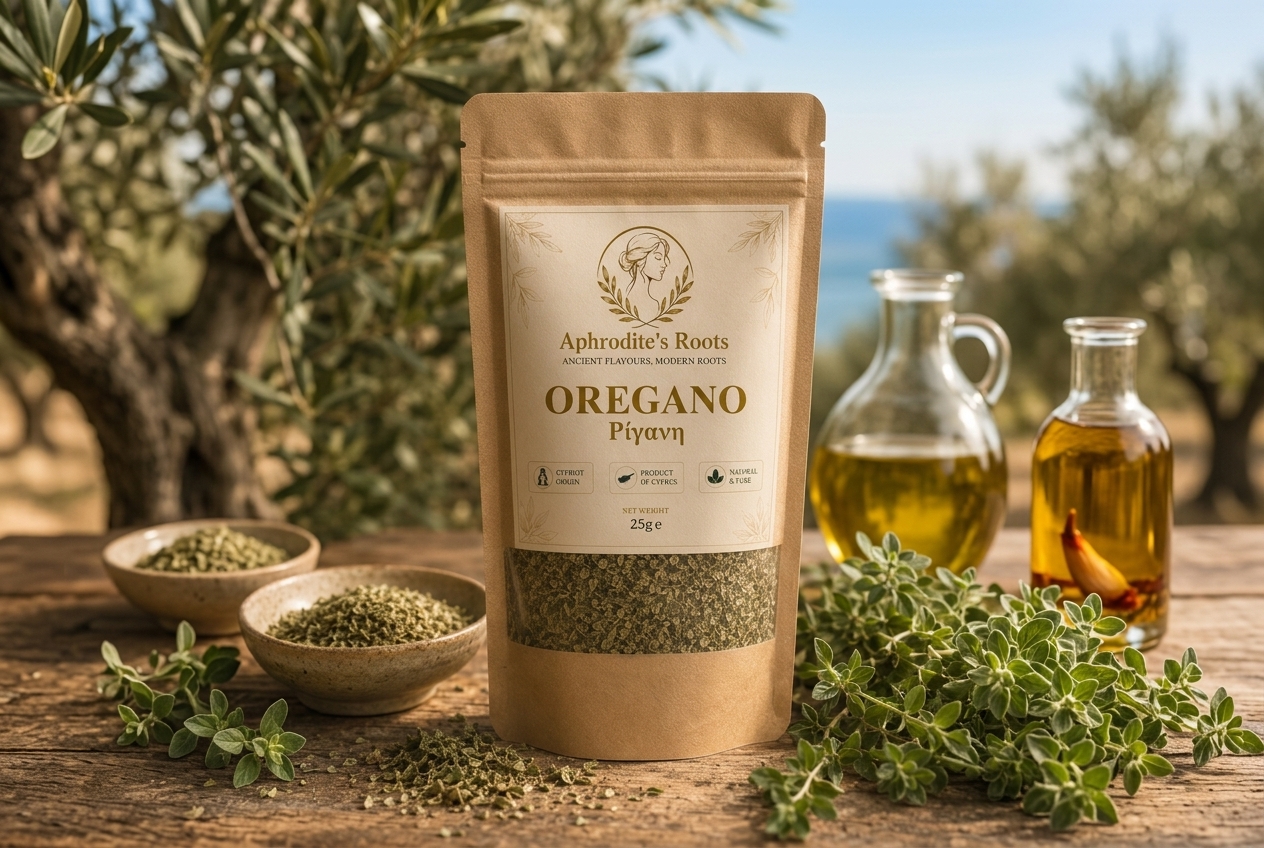
In a large bowl, add the ground beef, soaked and well-squeezed bread, finely chopped raw onions, 80 ml olive oil, eggs, oregano, cumin, sumac and finely chopped mint.
- 2
Add the lemon juice and zest, season with salt and freshly ground black pepper, and knead thoroughly for 4–5 minutes until well combined.
- 3
Refrigerate for 1 hour to firm up and allow the flavours to come together.
- 4
Shape into meatballs, around 30–35 g each. Coat lightly in flour and shake off any excess.
- 5
Heat plenty of olive oil in a deep frying pan. Fry the keftedakia in batches of 6–7 for around 3 minutes, gently turning them so they become evenly golden on all sides.
- 6
Transfer to kitchen paper to drain and allow to cool slightly.
- 7
Serve with French fries.
tips from the village —
Wisdom from grandmothers
- 01The hour in the fridge is not optional — it firms the mixture and lets the mint, lemon and oregano become one flavour.
- 02Stale sourdough soaked in milk keeps them soft inside; fresh bread turns them gummy.
- 03Don't crowd the pan — 6–7 at a time keeps the oil hot and the crust golden.
- 04They might be even better cold the next day, straight from the fridge. That's tradition too.
Related recipes
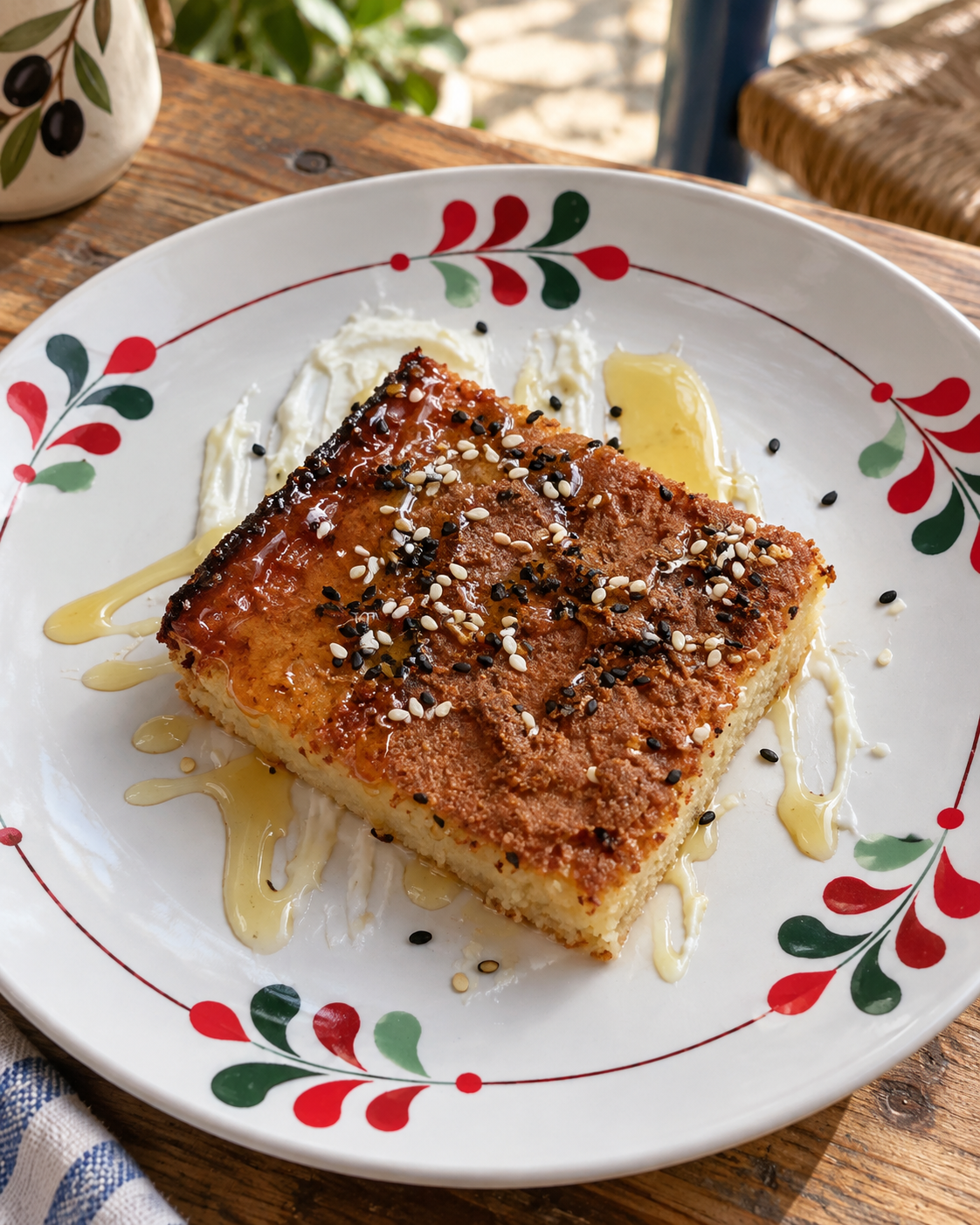
Melopita
The honey pie of Sifnos — fresh anthotyro, honey and eggs baked without pastry into a soft, golden custard. Ranked the world's number one sweet pie by TasteAtlas.
Read the story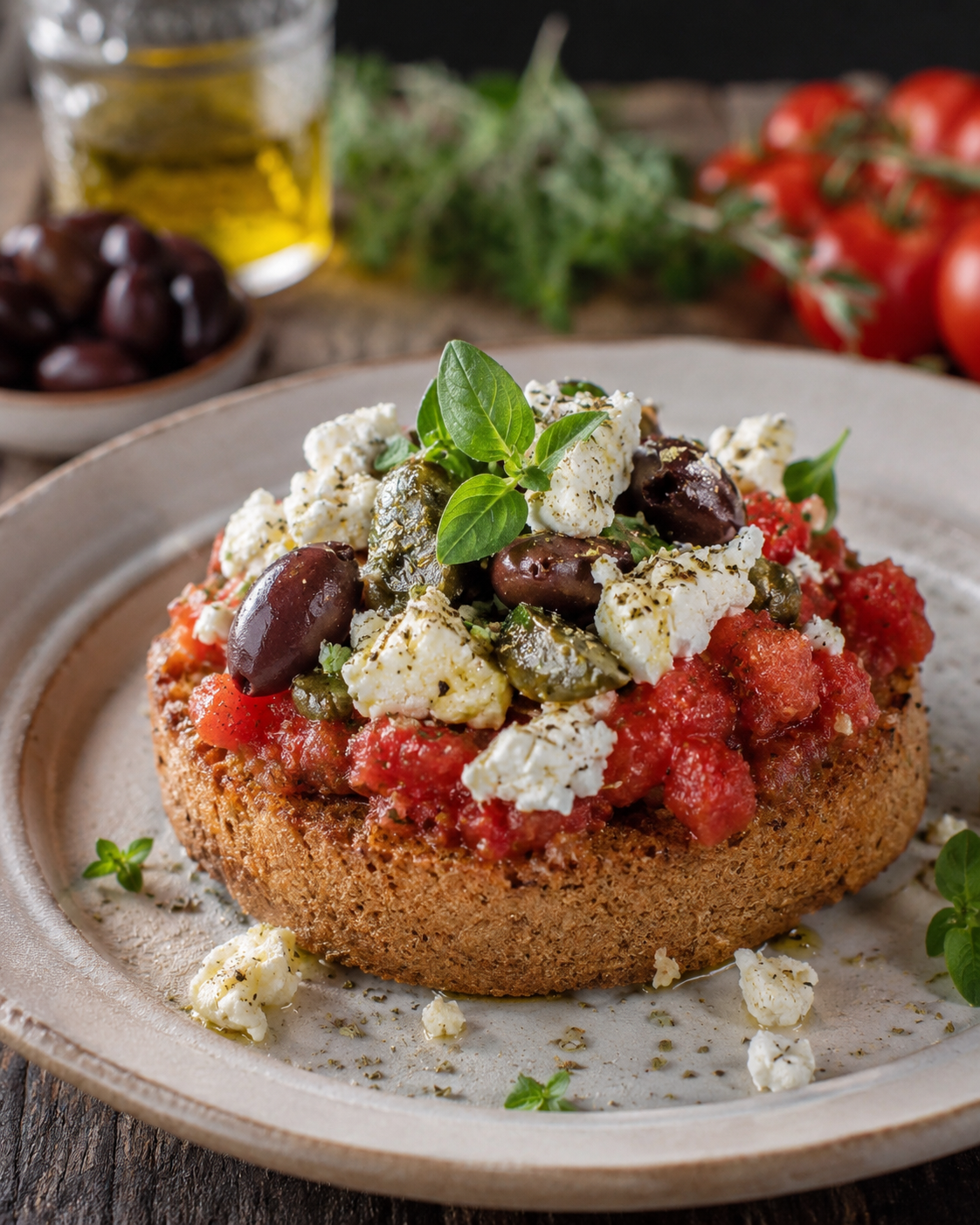
Dakos
Crete's twice-baked barley rusk soaked with marinated grated tomato, crowned with feta, capers, olives and wild oregano — field food that became a symbol of an island.
Read the story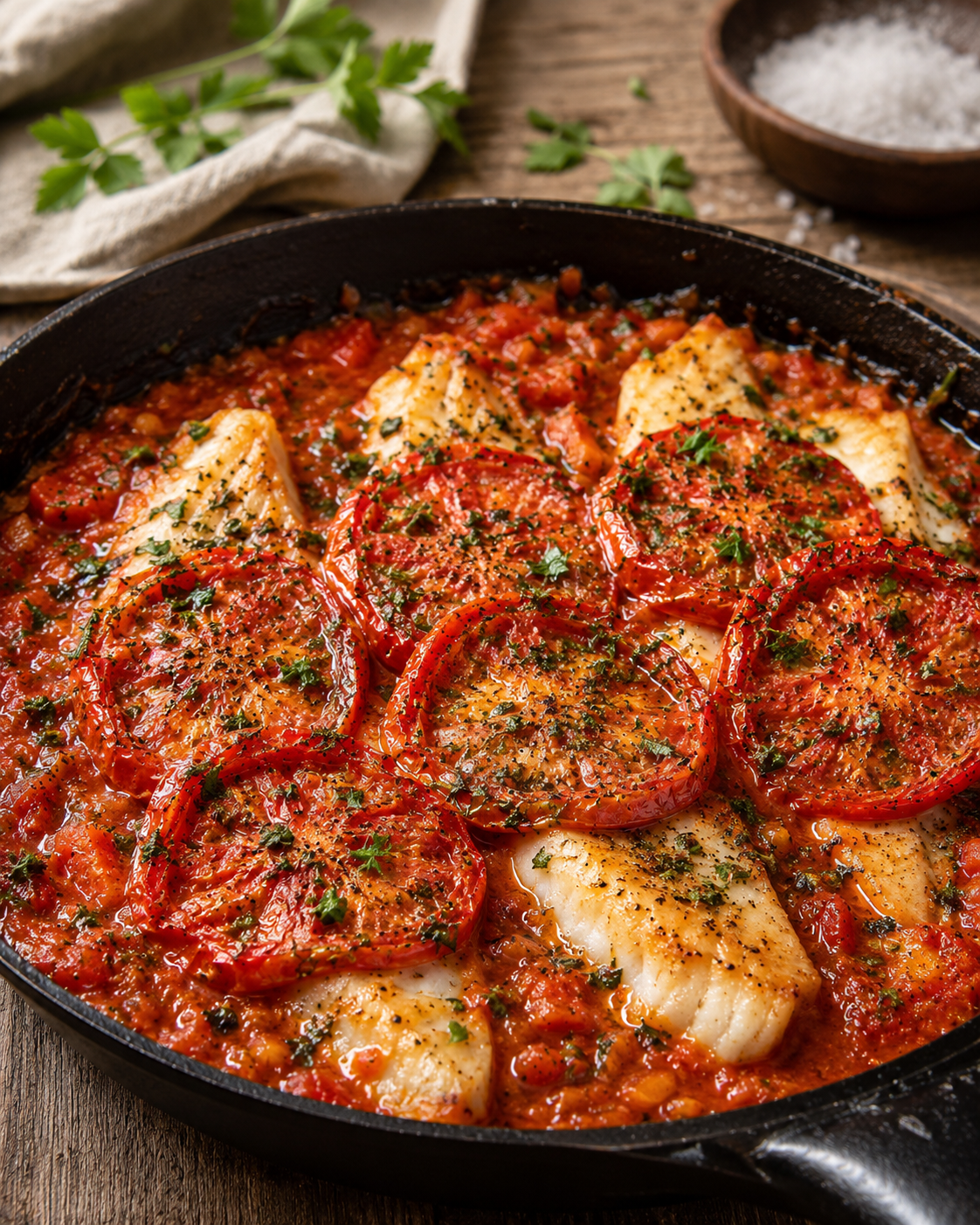
Psari à la Spetsiota
Fish in the style of Spetses — fillets baked over a glazed tomato, garlic and wine sauce, crowned with roasted tomato slices, olive oil and herbs.
Read the story