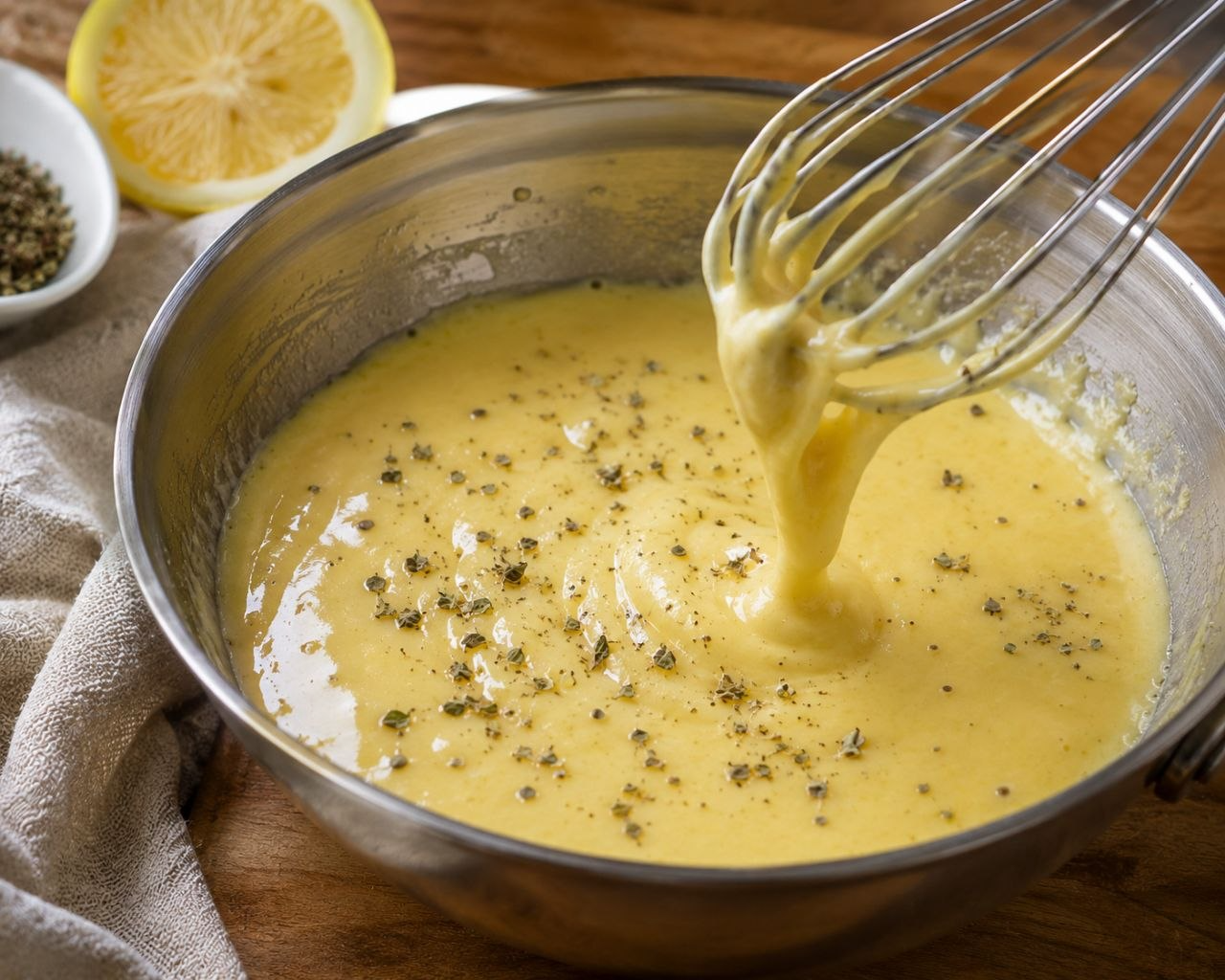
How this dish came to life
Cultural significance
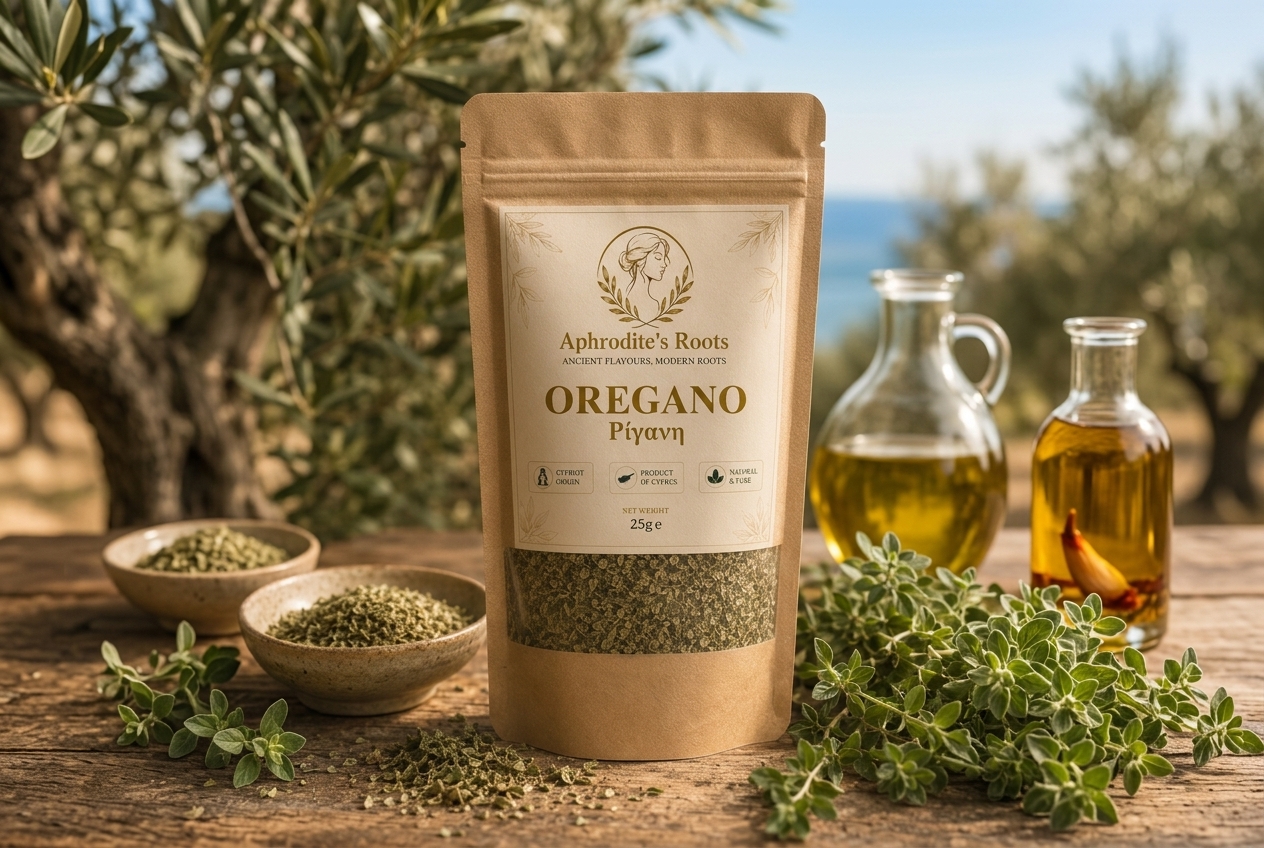
Cypriot Hollandaise is a modern Greek-Cypriot creation — a deliberate fusion of the French classic hollandaise (one of the five 'mother sauces' of haute cuisine, dating to the 17th-century court kitchens of Louis XIV) and the wild oregano (Origanum vulgare ssp. hirtum) of the Troodos hills of Cyprus. Cypriot wild oregano is recognised by Greek and Cypriot herbalists as one of the most aromatic varieties in the Mediterranean, carrying a distinctive peppery-medicinal note that contrasts with the milder oregano grown in Italy or Greece's mainland. The dish belongs to the modern Athenian and Limassol restaurant tradition of reinterpreting European classics through Mediterranean pantry ingredients — alongside dishes like Greek Brûlée, Chocolate Mousse with Orange & Olive Oil, and Figs & Feta. This recipe was created specifically by iCookGreek to showcase the first batch of Wild Mountain Oregano sold under the Aphrodite's Roots label.
step by step
Instructions
- 1
Make the herb reduction first. In a small heavy saucepan, combine the diced onion, white wine, vinegar, peppercorns and bay leaves — but NOT the oregano yet. Bring to a gentle simmer over medium heat and let it bubble down for about 10–12 minutes, until reduced by half.
- 2
Take the reduction off the heat. NOW add the dried wild oregano. Cover the pan tightly with cling film pressed directly against the surface of the liquid (this traps the volatile oils inside) and let the herb infuse for 40–45 minutes. The reduction will turn deep grey-green and smell extraordinary.
- 3
Strain the cold reduction through a fine sieve into a small jug, pressing on the solids to extract every drop. Discard the spent oregano and onion. You should have about 200 ml of intensely fragrant herb liquid.
- 4
Melt the butter gently in a small saucepan and keep it warm (not hot, just liquid) on the back of the stove.
- 5
Set up a bain-marie: a small pot of barely simmering water with a wide heatproof bowl resting over the top (the bowl shouldn't touch the water).
- 6
Place the egg yolks in the bowl. For each yolk, whisk in 80–100 g of the cold herb reduction plus a splash of room-temperature vegetable stock. The total liquid added should be cold or room temperature — never hot, or the yolks will scramble on contact.
- 7
Whisk the egg yolks continuously over the bain-marie. They will slowly thicken, change colour, and become creamy. The target temperature is 68–80°C (155–175°F) — if you don't have a thermometer, you'll know it's right when the whisk leaves a temporary trail across the bottom of the bowl and the texture is like loose custard. This takes about 5–7 minutes of patient whisking.
- 8
Now the most delicate moment. While still whisking constantly, pour the warm melted butter into the egg-yolk mixture in a very thin, steady stream — almost a drizzle. Whisk continuously. The sauce will turn from runny to glossy, from thin to thick, from yellow to deep gold. This is the emulsification — the same process as making mayonnaise, just with hot butter instead of cold oil.
- 9
Continue whisking and pouring until all the butter is incorporated and the sauce is the consistency of thick double cream. Take the bowl off the bain-marie immediately — overheating from here breaks the sauce.
- 10
Season the sauce with salt, pepper, and the lemon juice (add the lemon a tablespoon at a time, tasting — you want bright, not sour).
- 11
Stir in the chopped parsley and scatter a final small pinch of dried oregano over the top. The fresh oregano lifts the dried oregano in the sauce — the same trick chefs use with bay leaves.
- 12
Serve immediately, warm but never hot. Pour generously over poached eggs on toast, grilled fish, asparagus, or whatever you are dressing tonight. The sauce holds at room temperature for about 30 minutes — don't try to reheat it, or it will break.
tips from the village —
Wisdom from grandmothers
- 01Use real wild oregano. The supermarket kind will not give you the perfume that defines this recipe. Cypriot mountain rigani is the gold standard — our Aphrodite's Roots oregano was selected exactly for this kind of dish.
- 02Cover the reduction tightly with cling film during the 45-minute infusion. The herb's essential oils evaporate into the air the moment they're exposed — trapping them under the film is what gives the reduction its intensity.
- 03Add liquid to the egg yolks at room temperature — never hot. Hot liquid scrambles raw yolks. Cold liquid lets you build the bain-marie's heat slowly and evenly.
- 04Pour the butter in a thin stream — drizzle, not pour. Adding butter too fast breaks the emulsion. Patience here is the entire game.
- 05If the sauce breaks (goes oily and grainy), don't panic. Whisk a fresh yolk in a clean bowl with a splash of cold water, then slowly whisk the broken sauce back into the new yolk a tablespoon at a time. It re-emulsifies.
- 06Make the reduction the day before. The herb-infused liquid keeps for 2 days in the fridge and is at its most aromatic on the second day. Strain just before using.
- 07Eat immediately. Hollandaise is a moment, not a make-ahead. The sauce begins breaking down within an hour at room temperature.
Related recipes
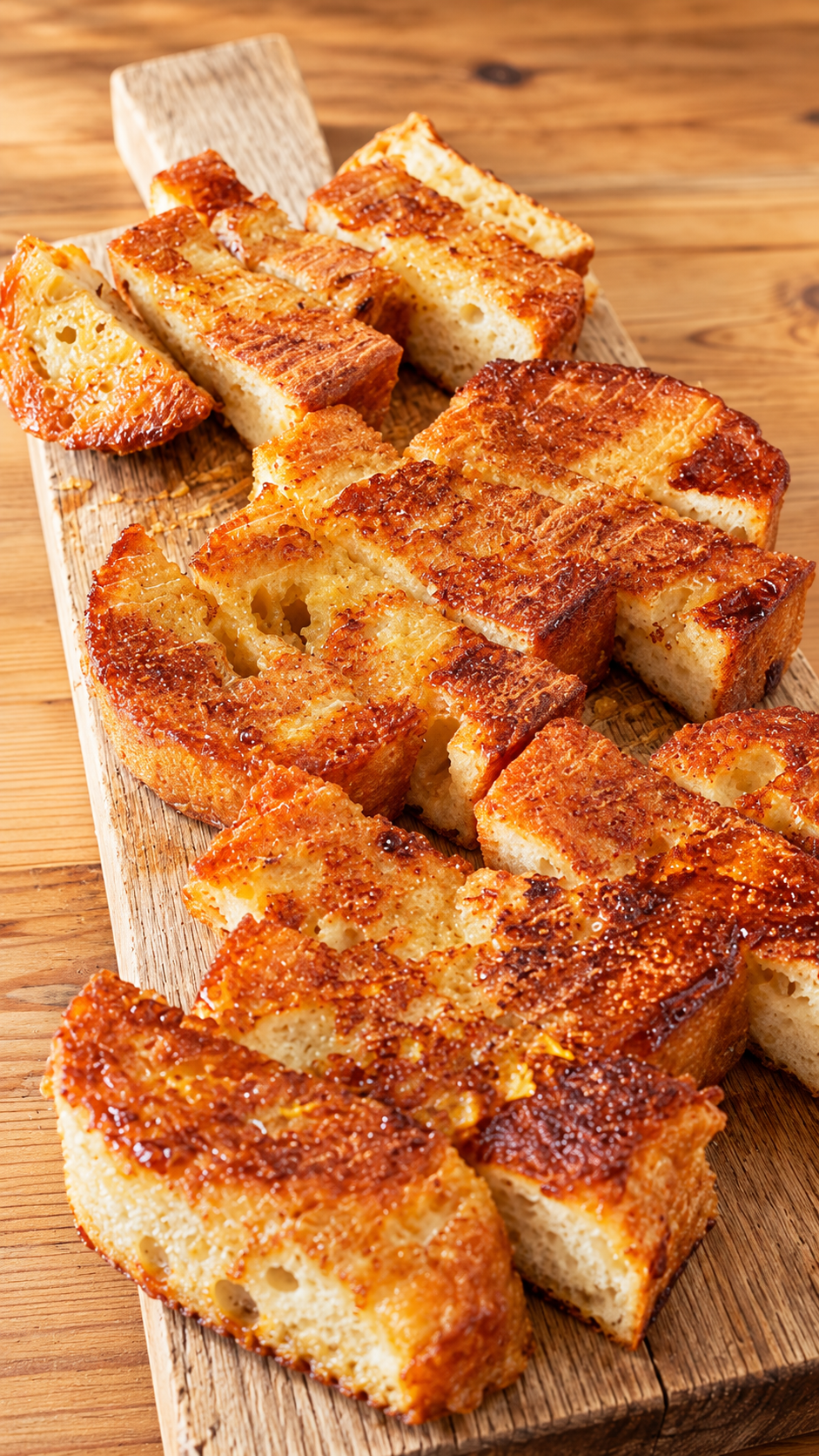
Avgofetes
Greek egg-fried bread — yesterday's loaf dipped in egg and milk, fried golden in olive oil and served with honey and cinnamon. Older than French toast.
Read the story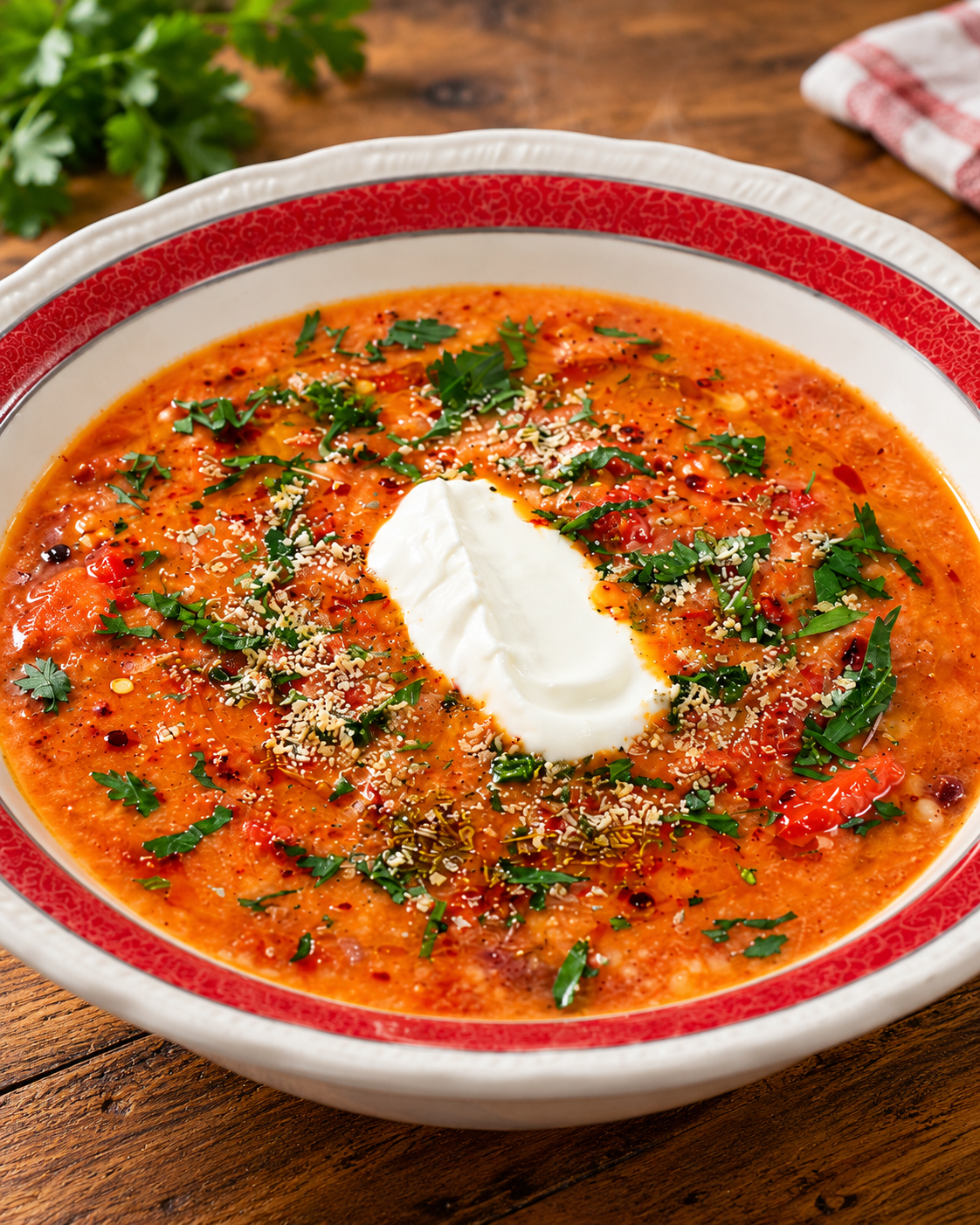
Kokkinistos Trahanas with Yogurt
Sour trahana simmered in a spicy tomato broth until creamy, served with cool Greek yogurt, boukovo and wild oregano — one humble food, countless traditions.
Read the story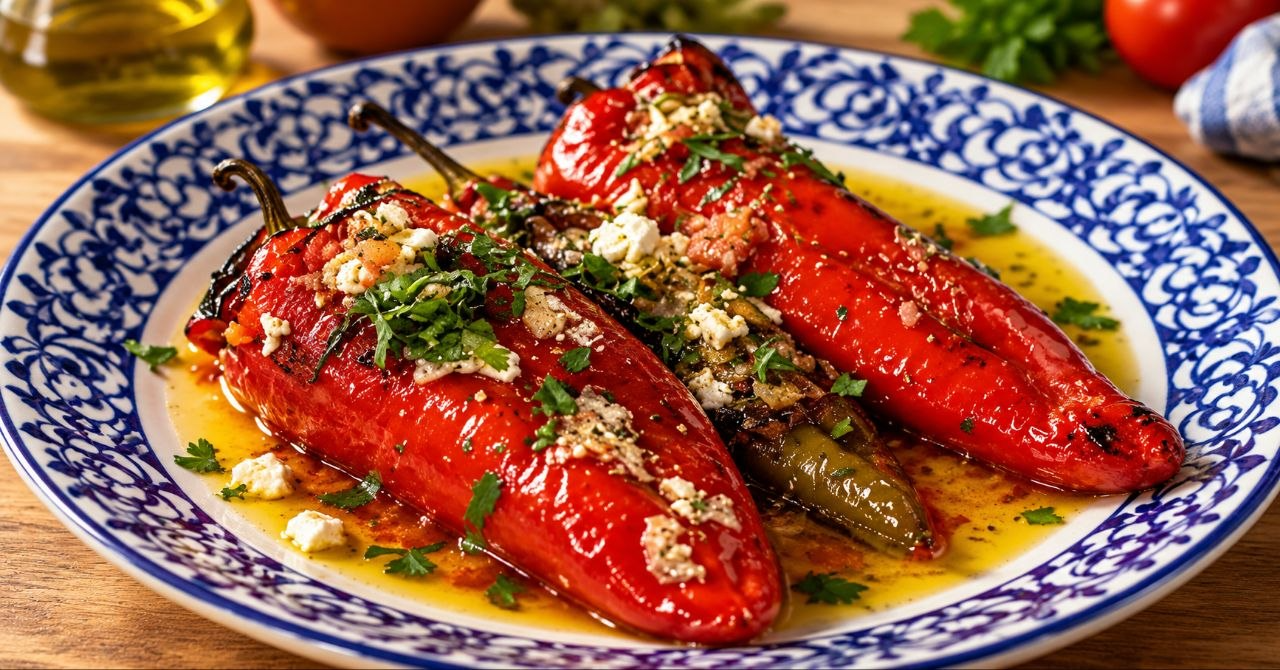
Stuffed Horn Peppers
Horn peppers stuffed with feta, tomato, garlic and wild oregano, baked until soft and caramelised — an American ingredient that became a Greek kitchen staple.
Read the story