a dish from greece —
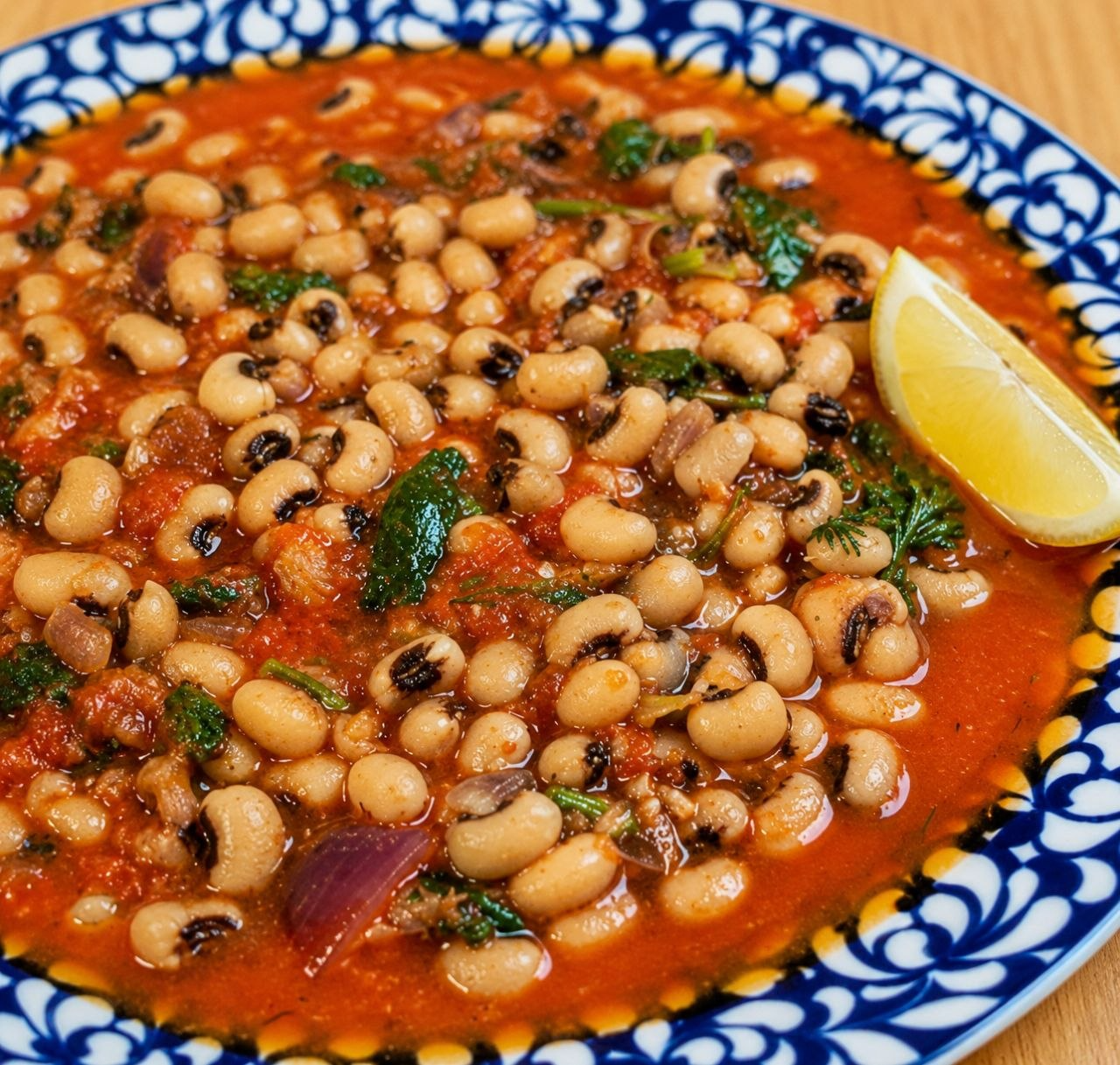
Mavromatika (Greek Black-Eyed Peas)
How this dish came to life
Cultural significance
Black-eyed peas are one of the oldest cultivated legumes in the world, with a history that travels from West Africa through the Mediterranean and across the Atlantic. In Greek cuisine they are a Lenten and everyday staple — humble, vegetarian, deeply nourishing — and a quiet thread connecting Greek tables to a much larger global story of survival, migration, and the people who kept the seeds alive when the world around them was burning. To cook mavromatika is to cook a piece of human history.
step by step
Instructions
- 1
Soak the beans overnight in plenty of cold water — they swell and soften, and your stomach will thank you for it.
- 2
Drain the soaked beans, place in a pot, cover with fresh water, bring to a boil and cook for about 15–20 minutes until just tender but not falling apart. Drain and set aside. (Some Greeks skip this step; we don't — it removes any bitterness and gives a cleaner-tasting broth.)
- 3
In a deep wide pan, heat a generous glug of olive oil over medium heat. Add the chopped red onion and the sliced garlic and cook gently for 5–6 minutes, until soft, sweet and aromatic — never browned.
- 4
Add the tomato paste and stir it through the onions for a full minute, until it darkens slightly and smells round and deep. This single minute is the difference between a good mavromatika and a great one.
- 5
Pour in the canned tomatoes, drop in the bay leaf, and add about a cup of water. Stir well, season with a small pinch of salt and a good crack of pepper, and bring to a gentle bubble.
- 6
Slip the drained beans into the pan and stir gently to coat. Add a little more water if needed — the beans should be just covered.
- 7
Lower the heat and let everything simmer slowly, uncovered, for 30–40 minutes, stirring occasionally. The beans will drink in the tomato; the sauce will thicken and turn round and silky.
- 8
Taste and adjust salt and pepper. Add a pinch of cumin or smoked paprika if you want a little quiet warmth at the back of the dish.
- 9
Off the heat, fish out and discard the bay leaf. Stir in most of the chopped dill and parsley, reserving a little for the top.
- 10
Finish with a generous drizzle of raw olive oil — the heart of the dish. Scatter the rest of the herbs over the top.
- 11
Serve warm in deep bowls with crusty bread for the broth, a few olives, and a small piece of feta on the side.
tips from the village —
Wisdom from grandmothers
- 01Soak the beans the full night, never skip it — village wisdom for tender beans and an easier stomach.
- 02The first boil-and-drain step (we Greeks call it «το πρώτο νερό») gives a cleaner taste and a brighter sauce. Don't skip it.
- 03Cook the tomato paste before adding the canned tomatoes. That single minute is what separates the dish from a quick stew.
- 04The final raw olive oil drizzle is not optional. It is the soul of mavromatika.
- 05Like fasolada, mavromatika is always better the next day. Make it ahead — the herbs deepen and the beans drink the sauce overnight.
Related recipes
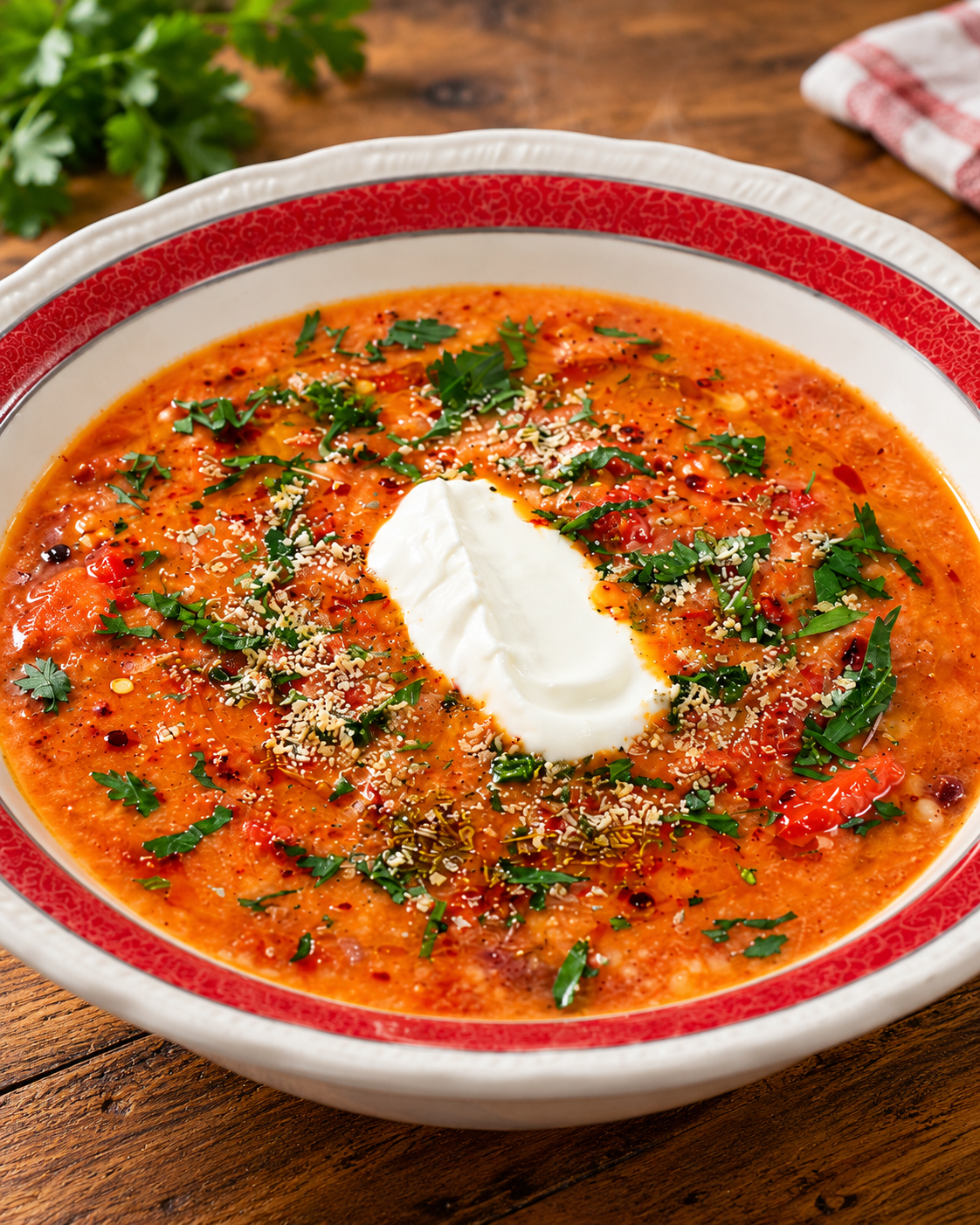
Kokkinistos Trahanas with Yogurt
Sour trahana simmered in a spicy tomato broth until creamy, served with cool Greek yogurt, boukovo and wild oregano — one humble food, countless traditions.
Read the story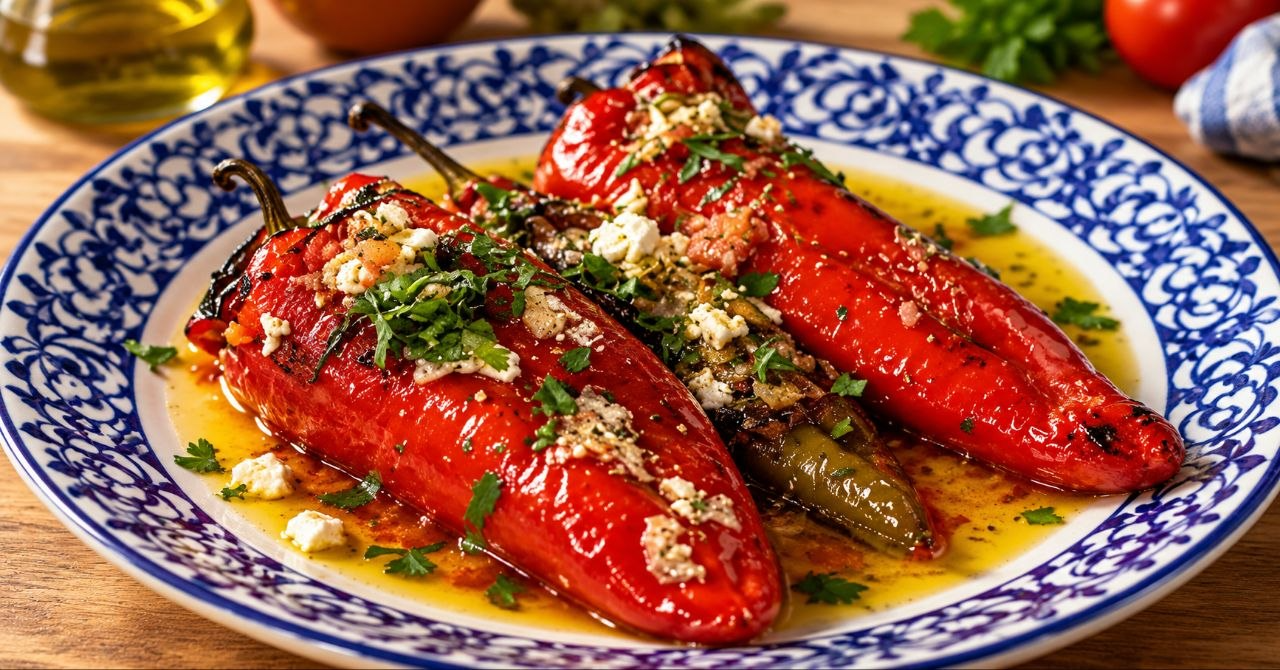
Stuffed Horn Peppers
Horn peppers stuffed with feta, tomato, garlic and wild oregano, baked until soft and caramelised — an American ingredient that became a Greek kitchen staple.
Read the story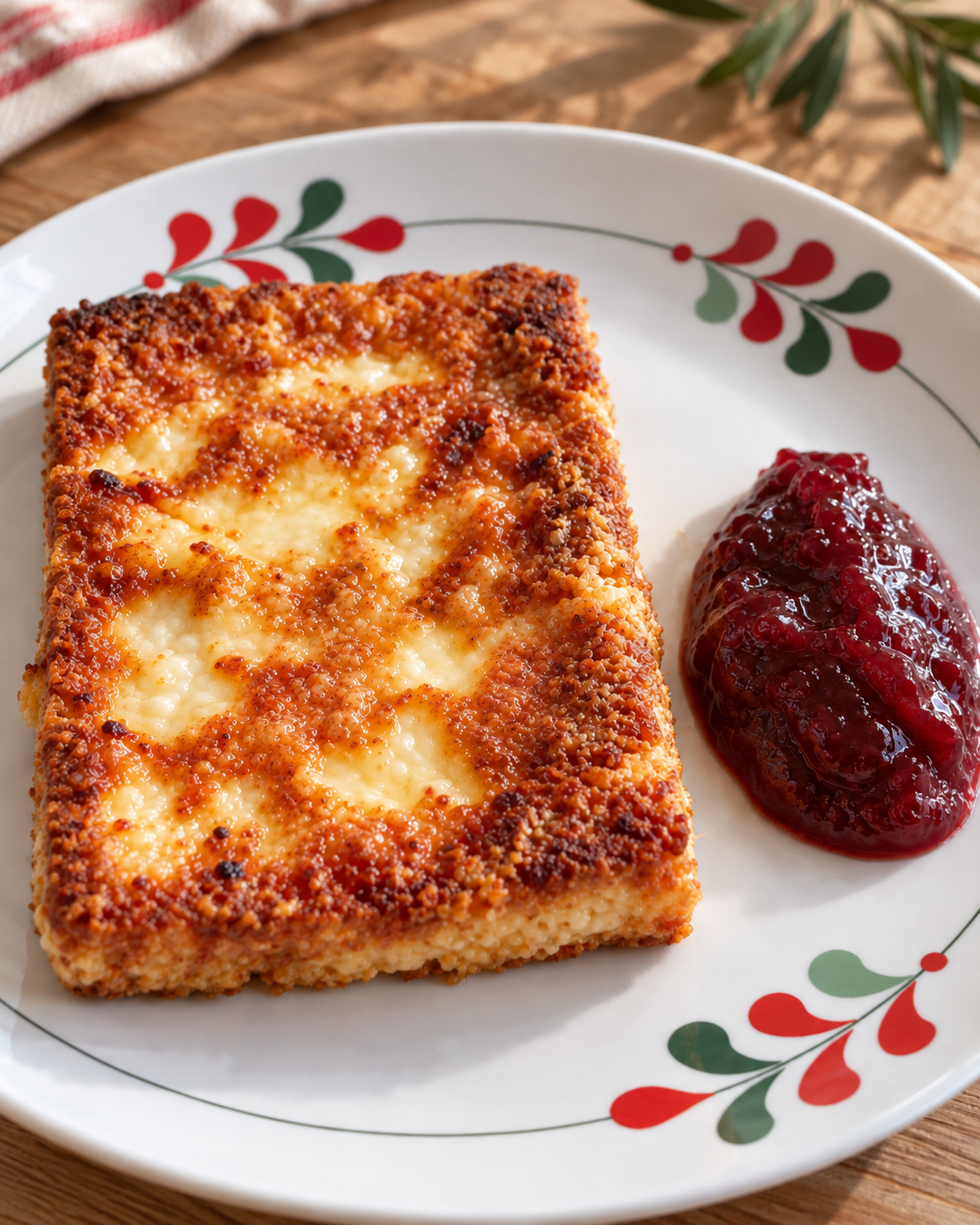
Saganaki with Grape Jam
Golden fried cheese, crisp outside and molten within, served with a slow-cooked grape jam brightened with lime — the taverna classic named after its little pan.
Read the story