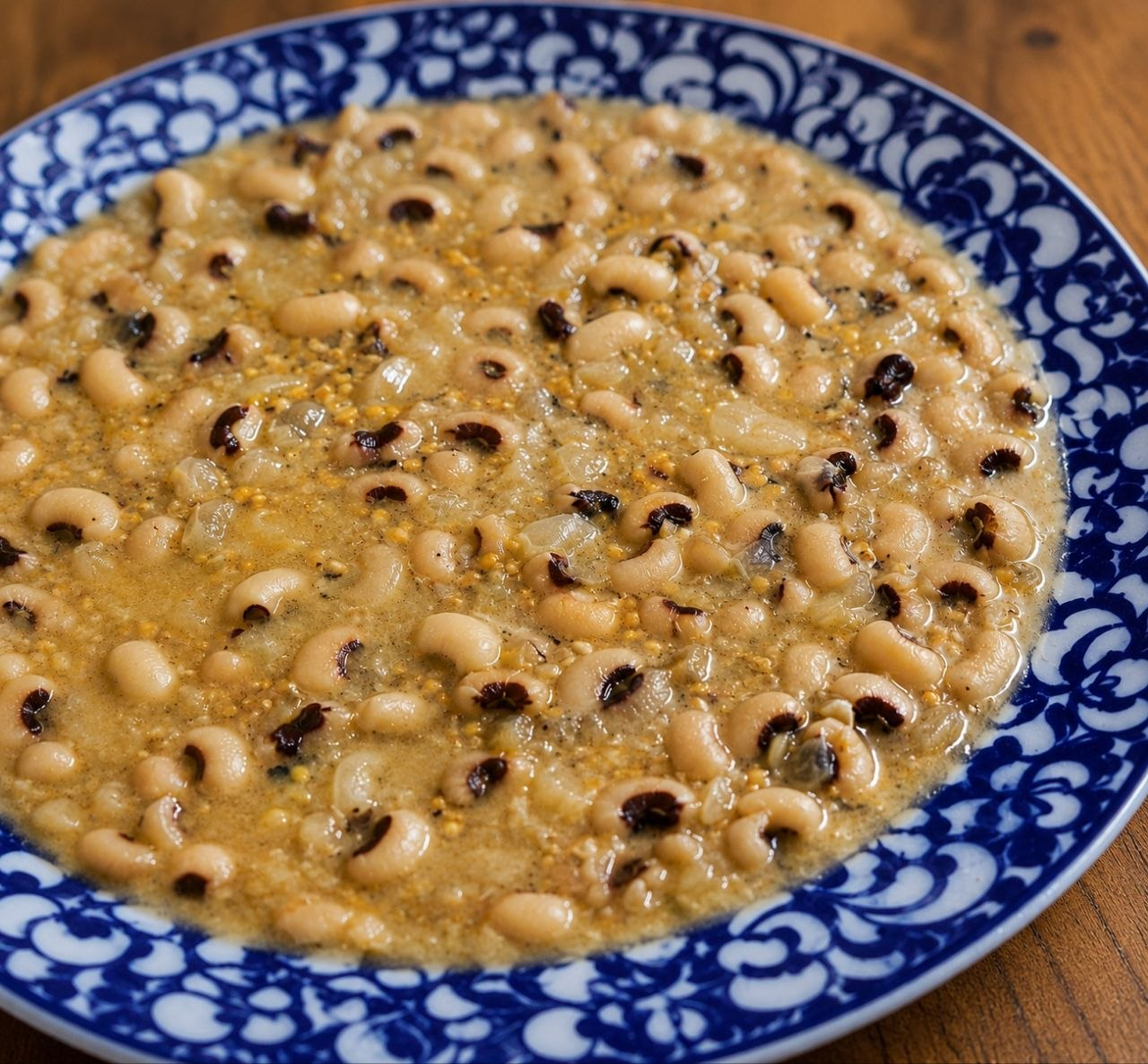
a dish from greece —
Mavromatika · Part II (Greek Edition)
How this dish came to life
Cultural significance
This is one of the oldest documented recipes in Greek cuisine — a dish whose ingredients (beans, vinegar, honey, mustard seeds) appear together in classical Greek and Byzantine sources almost two thousand years apart. The pairing is uniquely Greek: the honey-and-vinegar balance that defines so much of the country's home cooking, here met by the earthiness of the bean and the quiet heat of mustard. Cooking mavromatika this way is, in a real sense, cooking through history — a recipe Dioscorides would recognise on the stove of any modern Greek kitchen.
step by step
Instructions
- 1
Rinse the black-eyed beans well in cold water. (Unlike many beans, they don't strictly need overnight soaking — but a 1–2 hour soak makes them cook faster and feel gentler on the stomach.)
- 2
Place the beans in a medium pot. Cover with cold water (or part water, part vegetable stock for more depth) by about 4 cm.
- 3
Add the mustard seeds. Bring to a gentle boil, then lower the heat to a steady simmer.
- 4
Simmer for 40–50 minutes, stirring occasionally and topping up with hot water if the level drops below the beans. The beans are ready when they are tender to the bite and the mustard seeds have softened, gone slightly nutty, and perfumed the broth.
- 5
When the beans are soft, add the honey and the vinegar. Start with one tablespoon of each and taste — you want a clear, balanced sweet-and-tangy backnote, not a dressing.
- 6
Season with salt and a good crack of black pepper. Adjust honey and vinegar to taste.
- 7
Continue to simmer uncovered for 5–8 more minutes, so the sauce reduces slightly and turns glossy and round.
- 8
Off the heat, drizzle with a little olive oil if you like, and scatter with fresh dill.
- 9
Serve warm in deep bowls with crusty bread for the sauce and a piece of feta on the side.
tips from the village —
Wisdom from grandmothers
- 01Trust the honey and vinegar — they sound strange together until you taste them. Start small, taste, adjust. The balance is the dish.
- 02Toast the mustard seeds dry in the pot for 30 seconds before adding the beans and water — they wake up and the broth tastes deeper.
- 03Use a real Greek honey if you can (thyme honey is the most fragrant). The honey is not just a sweetener — it's a flavour, and a tablespoon of supermarket honey won't carry the dish the same way.
- 04This is a clearer, brighter version of mavromatika than the tomato Part I. Don't be tempted to add tomato — the whole point is the honey-vinegar balance.
- 05Like its sibling, this dish is even better the next day. The flavours quietly negotiate overnight.
Related recipes
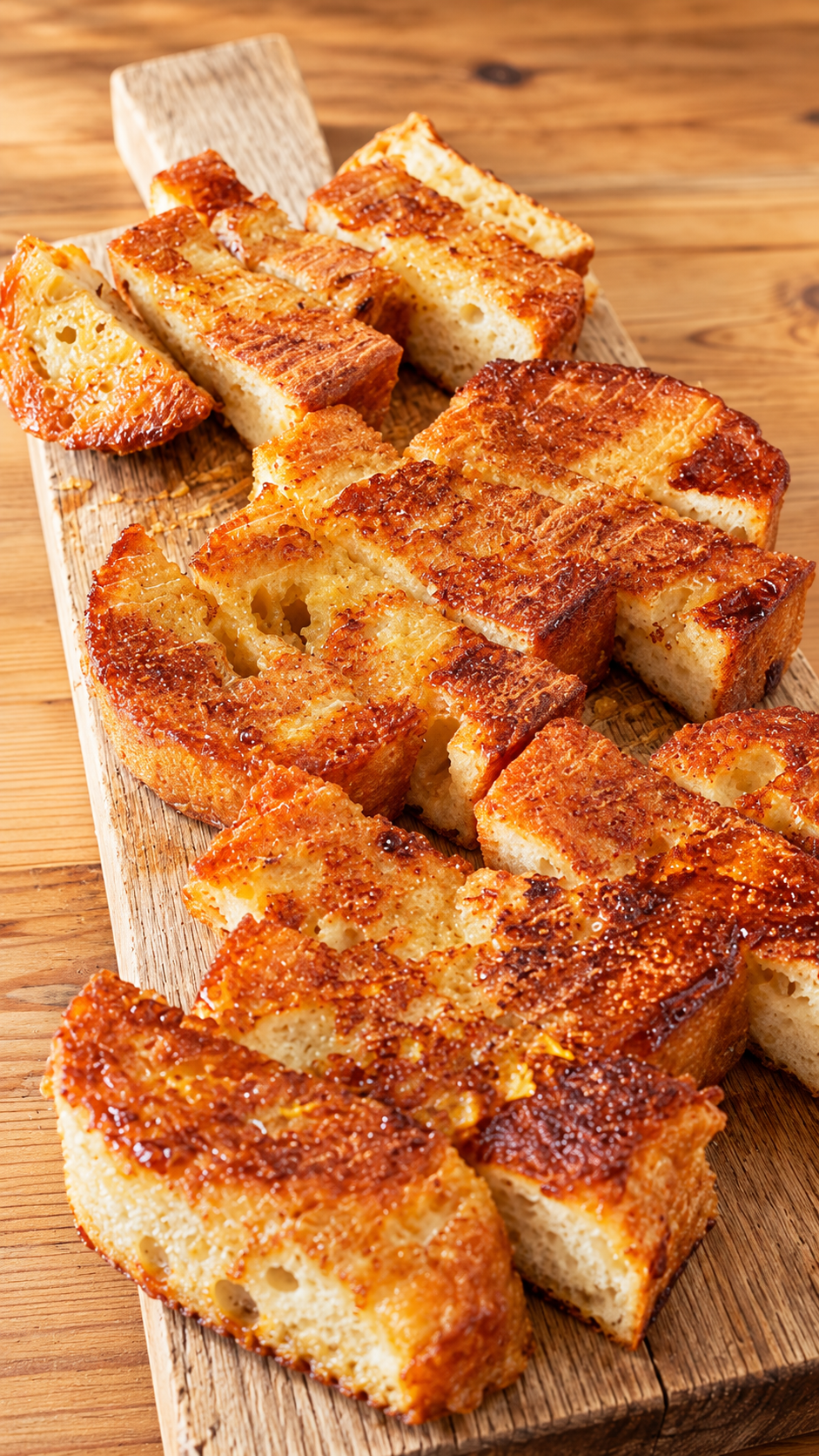
Avgofetes
Greek egg-fried bread — yesterday's loaf dipped in egg and milk, fried golden in olive oil and served with honey and cinnamon. Older than French toast.
Read the story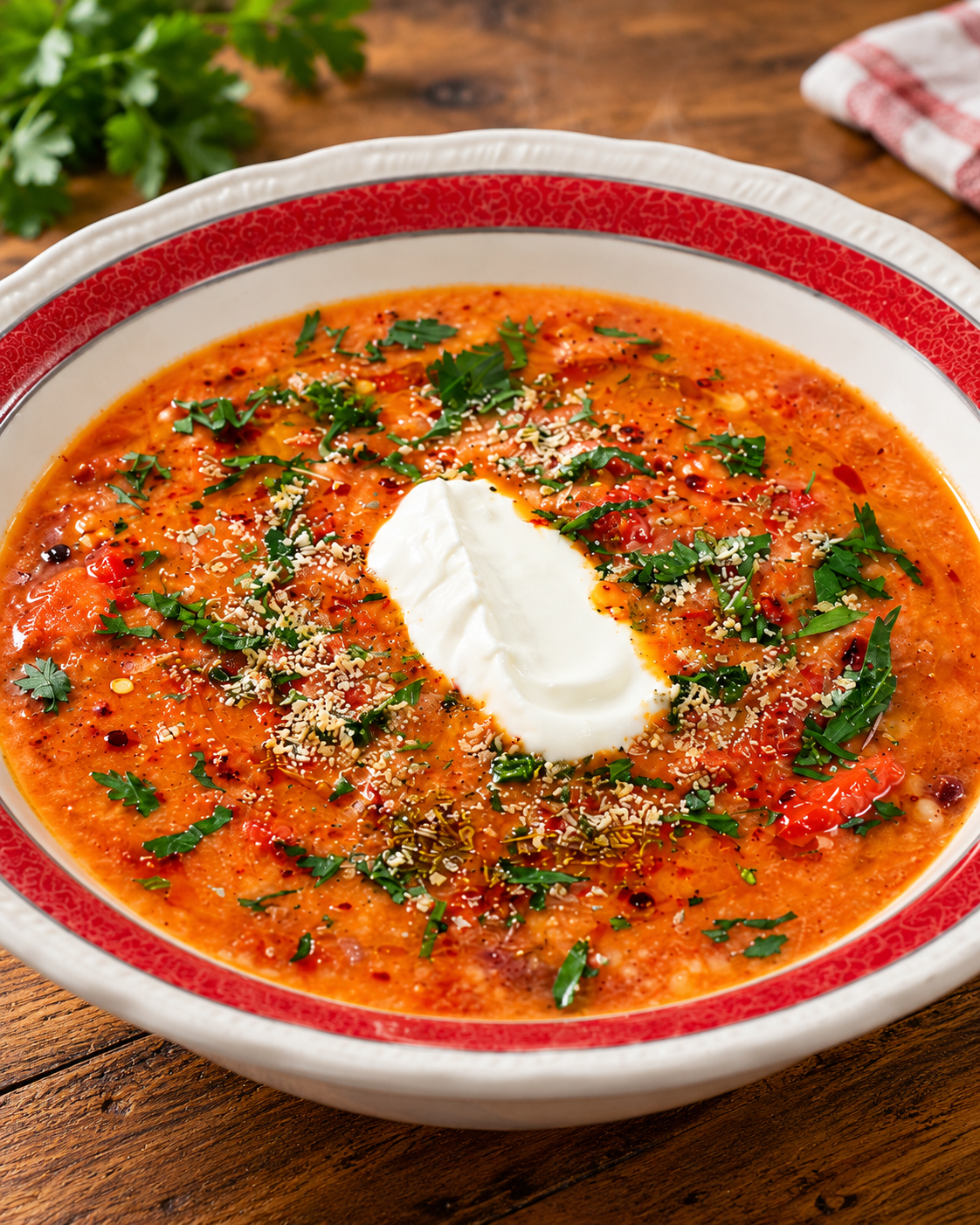
Kokkinistos Trahanas with Yogurt
Sour trahana simmered in a spicy tomato broth until creamy, served with cool Greek yogurt, boukovo and wild oregano — one humble food, countless traditions.
Read the story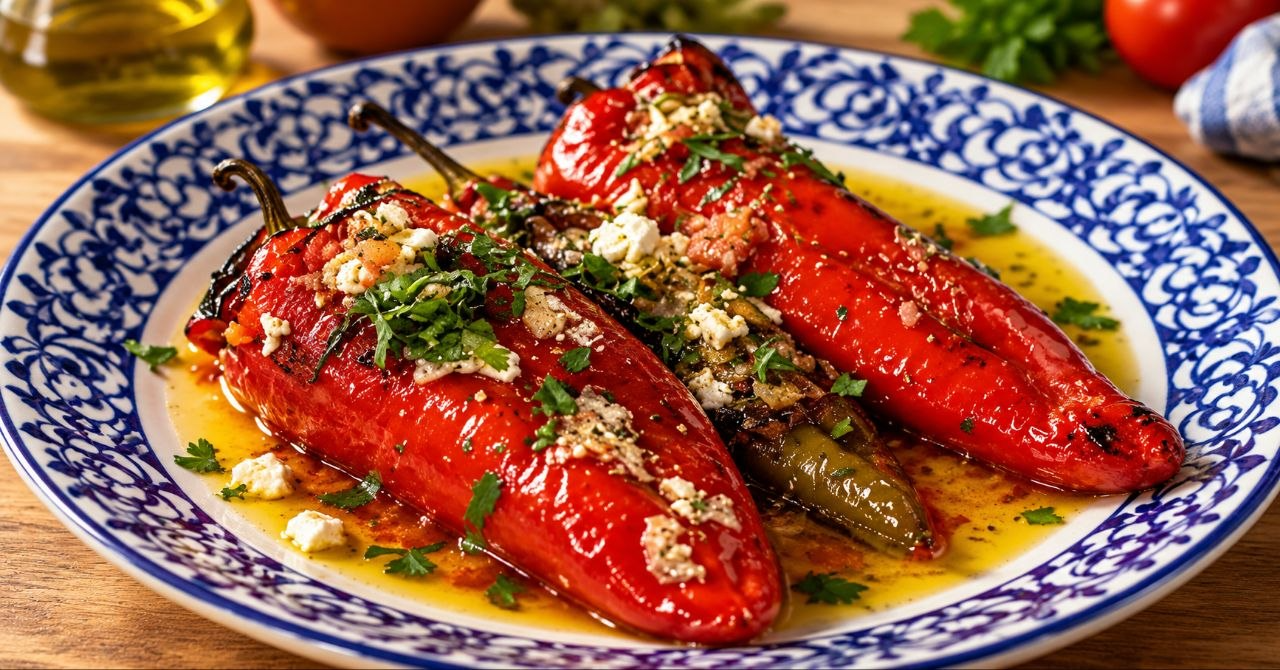
Stuffed Horn Peppers
Horn peppers stuffed with feta, tomato, garlic and wild oregano, baked until soft and caramelised — an American ingredient that became a Greek kitchen staple.
Read the story