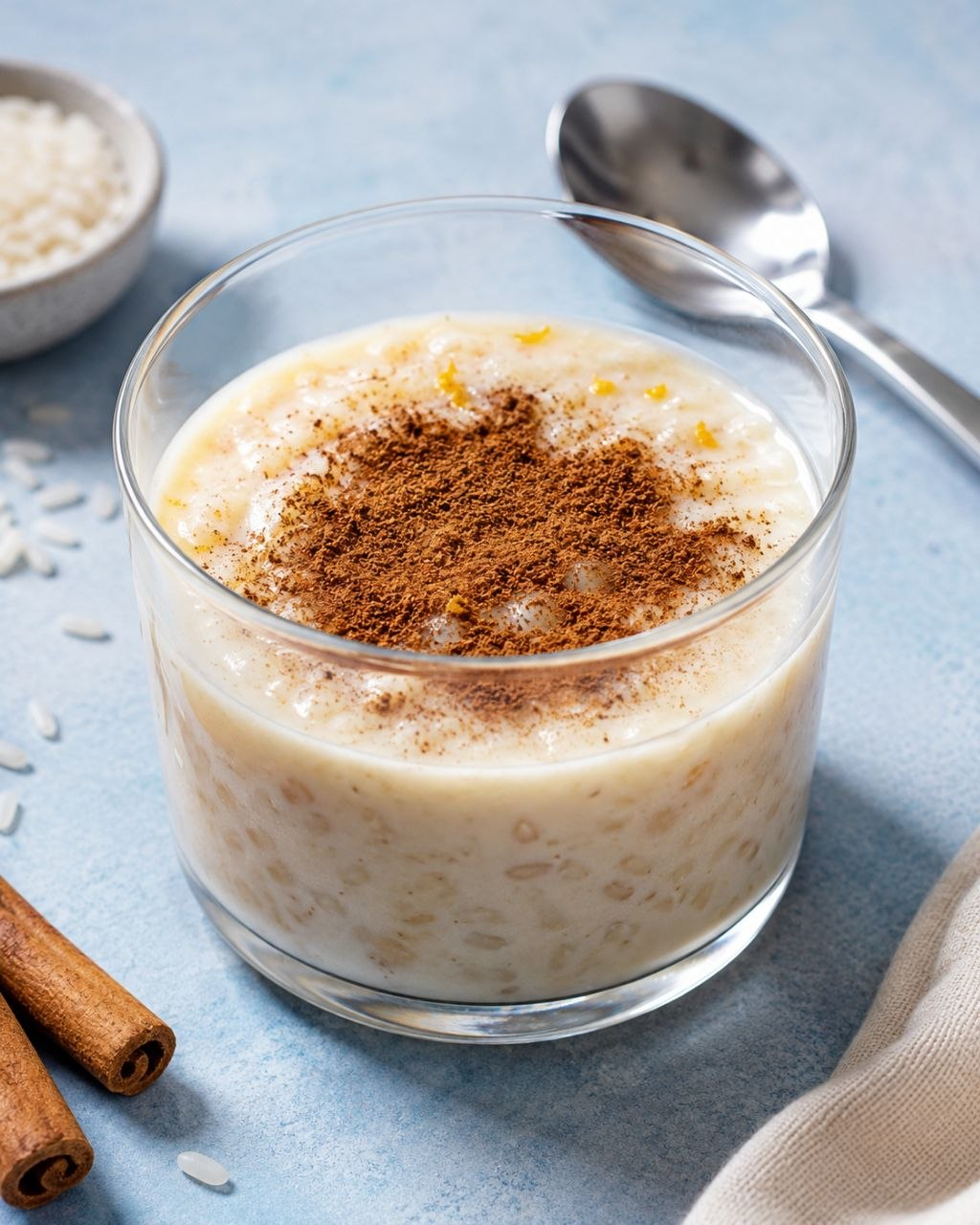
How this dish came to life
Cultural significance
Rizogalo is one of the oldest continuously-made desserts of the Greek table — a milk pudding whose ingredients (rice, milk, sugar) were each considered luxuries in their own century. Rice was unknown to Greeks before the eastern campaigns of Alexander the Great in the 4th century BCE, after which it slowly entered the Hellenic kitchen through trade with Persia and India. In Byzantine Constantinople, rizogalo appears in cookbooks as a dessert of wealth. Sister desserts exist in nearly every culture along the historical spice routes: firni (India), sholeh zard (Persia), sütlaç (Anatolia), muhallabia (Arab world), all sharing a common ancestor. In Cyprus and Pontus, older versions used goat's milk and hulled wheat before rice became affordable. In Greece itself, the dish has acquired regional identities: a May Day tradition in Kozani, a signature island sweet in Skopelos, a Sunday-lunch dessert in Athenian kafenia. It is, in a single bowl, an edible map of three empires and twenty-three centuries.
step by step
Instructions
- 1
Rinse the rice under cold water until the water runs clear. Place the rice in a small pot with 250ml of water and the cinnamon stick. Bring to a gentle simmer and cook over low heat for 15–18 minutes, stirring occasionally, until the rice is tender and most of the water has been absorbed.
- 2
Meanwhile, in a wider, heavy-bottomed pot, combine 900 ml of the milk with the sugar. Set the remaining 100 ml of milk aside in a small bowl (off the heat). Place the pot of milk over medium heat and bring to a gentle, foaming simmer — not a hard boil, which scorches the milk and breaks the texture.
- 3
Whisk the cornstarch into the reserved cold milk until completely smooth — no lumps. This step is essential. Lumpy cornstarch will turn the pudding gluey.
- 4
While stirring the simmering milk continuously with a wooden spoon, pour the cornstarch slurry in a thin, steady stream into the pot. Keep stirring slowly and constantly for 3–4 minutes, until the milk has visibly thickened to the consistency of double cream and coats the back of the spoon.
- 5
Add the cooked rice (and the cinnamon stick that cooked with it) to the thickened milk. Stir in the vanilla, the pinch of salt, and let the whole pot simmer gently for 3–4 more minutes, stirring often, so the rice drinks the milk and the pudding comes together into one body.
- 6
Take the pot off the heat. Fish out the cinnamon stick. Stir in the orange zest while the pudding is still hot — the warmth lifts the citrus perfume right through the dish.
- 7
Ladle the rizogalo into 6 small bowls (glass bowls are most traditional — you can see the layers). The pudding will look slightly looser than you want at this stage; it sets as it cools.
- 8
Dust the tops generously with ground cinnamon while still warm — the heat blooms the spice. Scatter a few extra orange-zest strands if you like.
- 9
Cover loosely and let cool to room temperature, then chill in the fridge for at least 2 hours (or overnight). Serve cold — the texture firms beautifully, and the flavours deepen.
- 10
Eat slowly. One spoon holds generations.
tips from the village —
Wisdom from grandmothers
- 01Don't use long-grain rice. Carolina, Arborio, or pudding rice all have the starch content needed to give rizogalo its creamy, custardy body. Basmati or jasmine will stay too separate.
- 02Whisk the cornstarch into cold milk only. Hot milk seizes the starch instantly into lumps that never fully smooth out.
- 03Stir the milk continuously while it thickens — this is the only difficult moment in the recipe. Five minutes of patience here means a silky pudding rather than a curdled one.
- 04Add the orange zest off the heat. Boiled zest turns bitter; warm zest perfumes the whole dish.
- 05Rizogalo improves overnight. Make it the day before — the rice swells, the flavours marry, and the texture becomes properly luxurious.
Related recipes
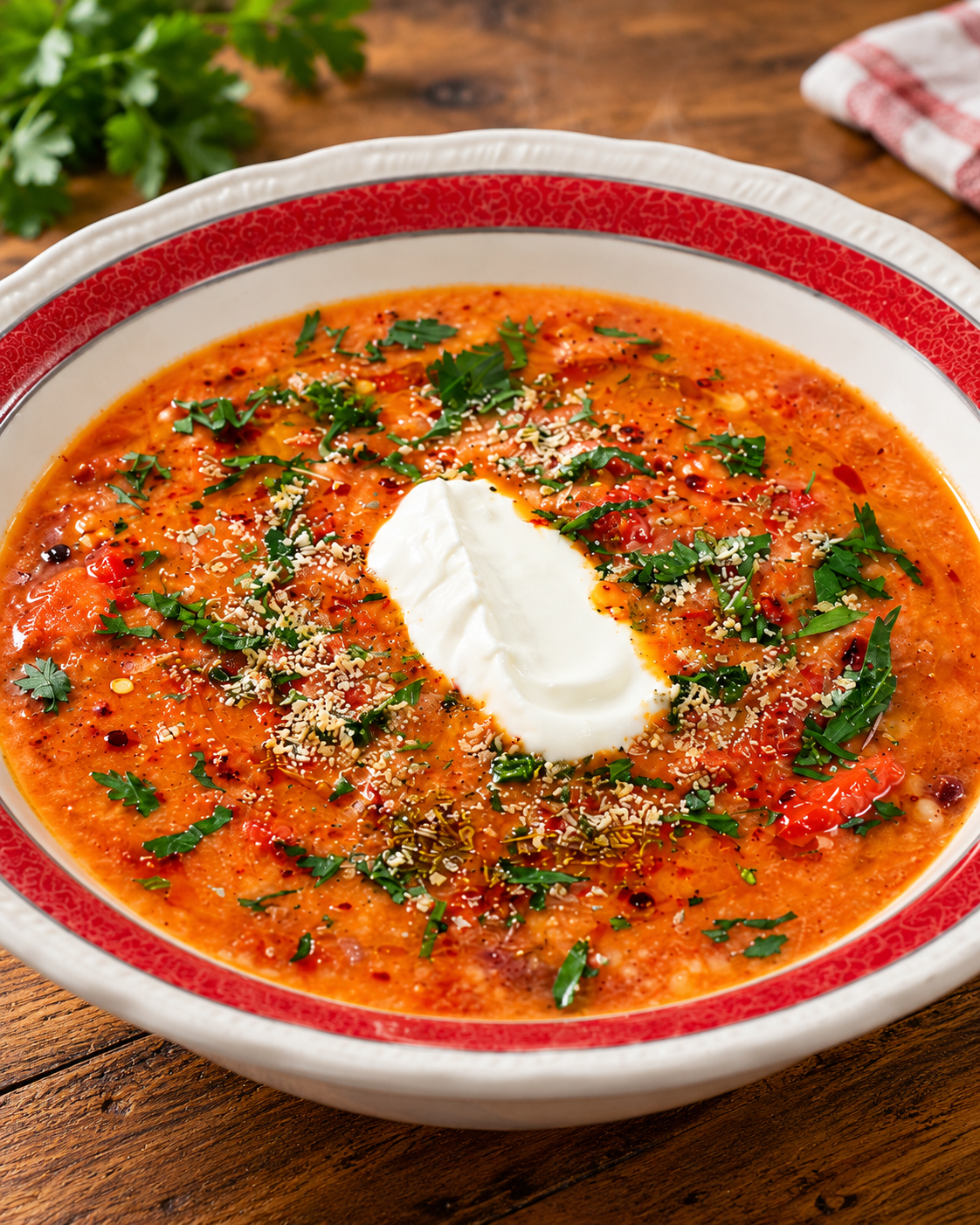
Kokkinistos Trahanas with Yogurt
Sour trahana simmered in a spicy tomato broth until creamy, served with cool Greek yogurt, boukovo and wild oregano — one humble food, countless traditions.
Read the story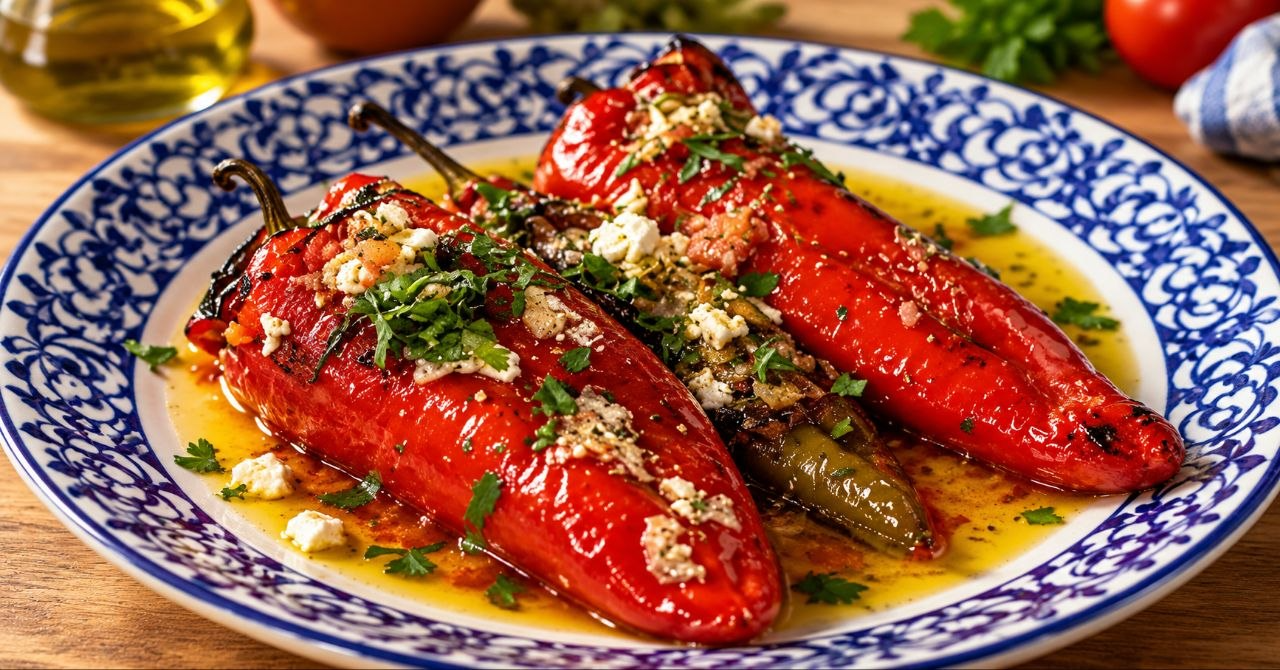
Stuffed Horn Peppers
Horn peppers stuffed with feta, tomato, garlic and wild oregano, baked until soft and caramelised — an American ingredient that became a Greek kitchen staple.
Read the story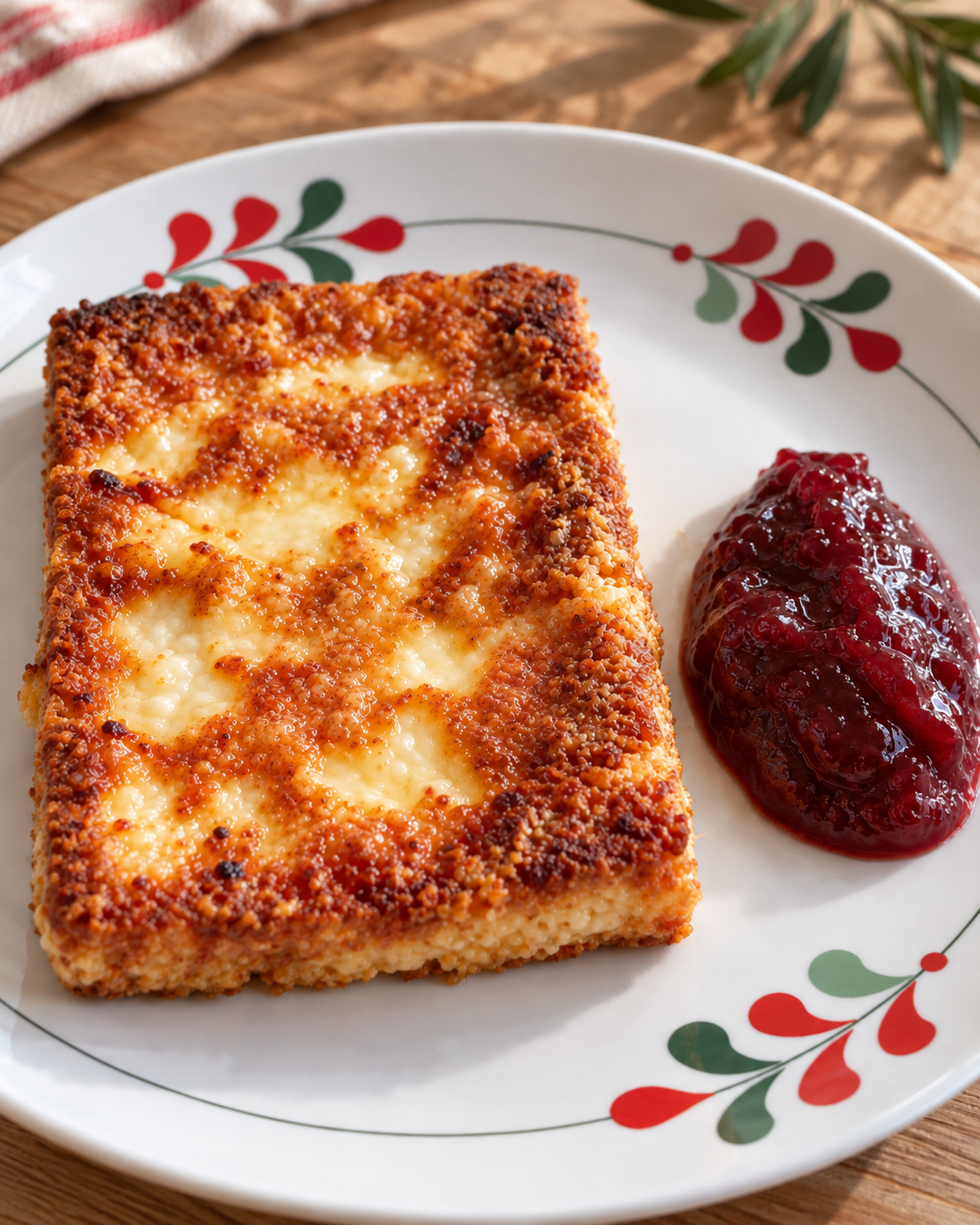
Saganaki with Grape Jam
Golden fried cheese, crisp outside and molten within, served with a slow-cooked grape jam brightened with lime — the taverna classic named after its little pan.
Read the story