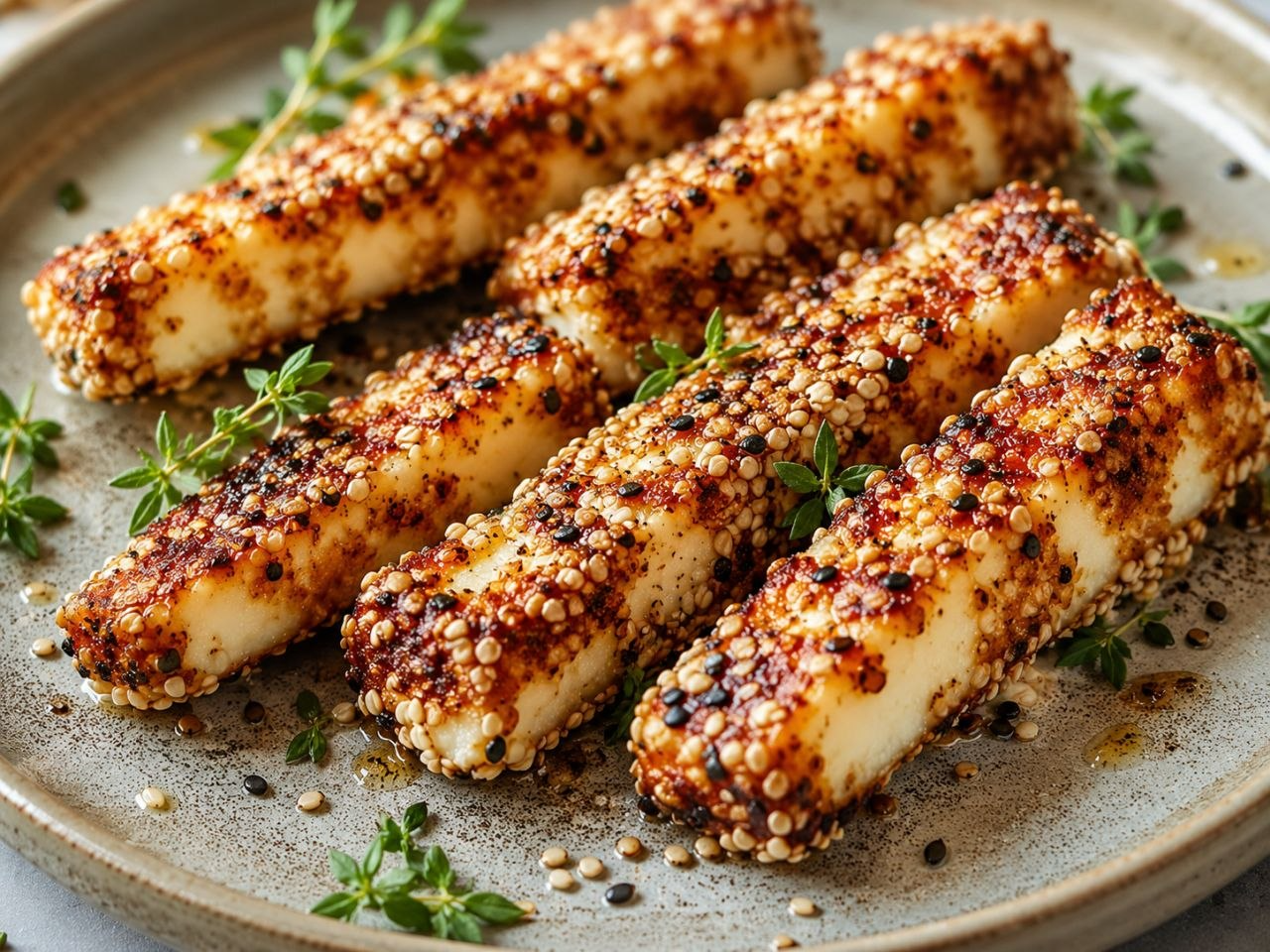
a dish from cyprus —
Sesame Halloumi with Honey & Carob Molasses
How this dish came to life
Cultural significance
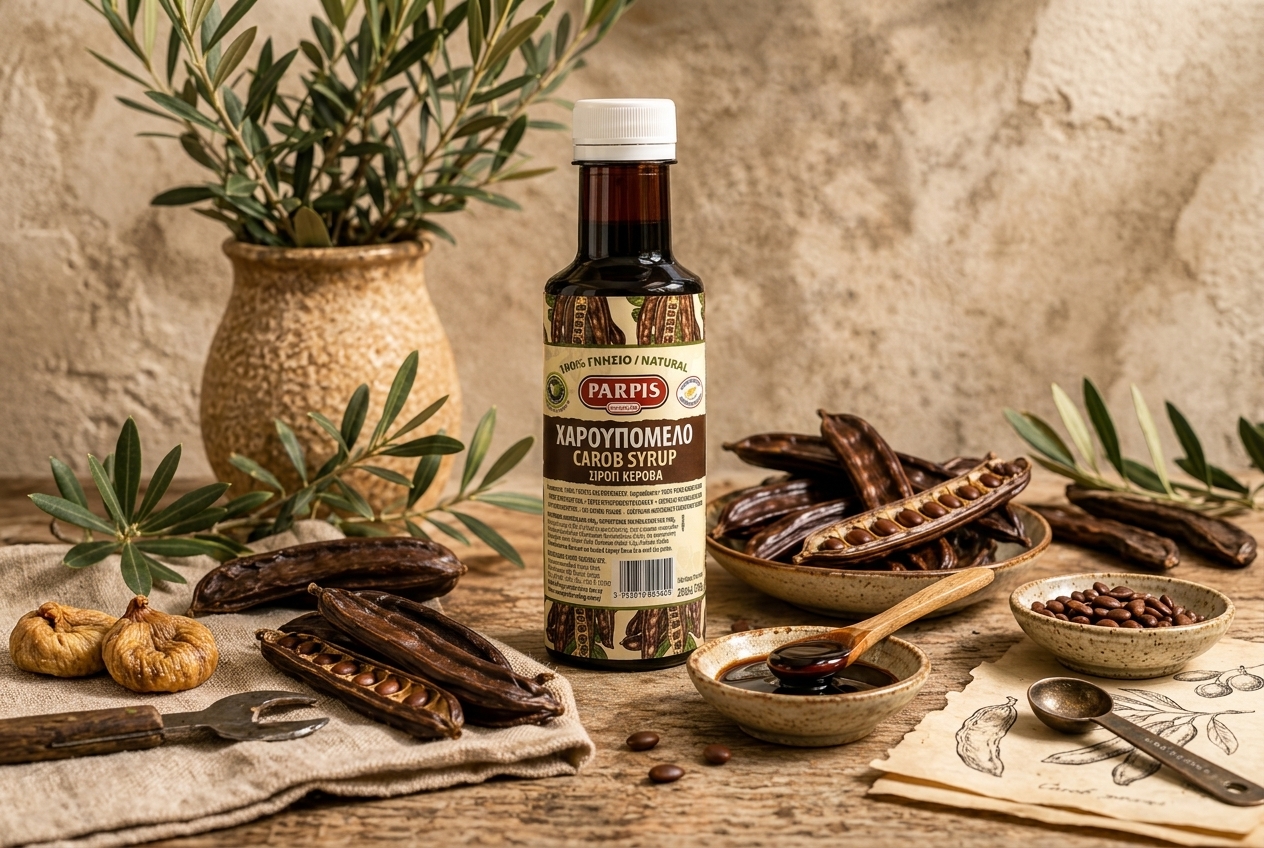
Halloumi (χαλλούμι) carries Cyprus's PDO — the only cheese in the world allowed to bear that name. Carob honey (χαρουπόμελο) is a 3,000-year-old Cypriot pantry treasure, pressed from the pods of carob trees that grow on the dry hillsides of the island. Pairing them is a quietly modern act of Cypriot pride — every ingredient here grew up within sight of the sea.
step by step
Instructions
- 1
Pat the halloumi batons very dry with a clean tea towel — moisture is the enemy of a crisp crust.
- 2
Set up three shallow plates: one with the flour, one with the beaten eggs, one with the sesame seeds.
- 3
Roll each baton first in flour (shake off the excess), then through the egg, then press firmly into the sesame seeds so they stick on all sides.
- 4
Heat the 3 tbsp olive oil in a heavy, wide pan over medium heat — not too hot, or the sesame burns before the cheese softens.
- 5
Lay the halloumi batons in the pan, spaced apart. Fry undisturbed for 2 minutes per side, turning to brown all four sides, until the sesame is deeply golden and the crust has crackled tight around the cheese.
- 6
Lift onto a serving plate while the cheese is still molten in the middle.
- 7
In a small bowl whisk the honey, carob honey and 1 tsp of olive oil together until glossy and pourable.
- 8
Pour the honey-carob mixture over the hot halloumi in a generous zigzag. Scatter fresh thyme leaves, a few cracks of black pepper, and a final pinch of sesame seeds.
- 9
Serve immediately, with bread to mop the plate. The halloumi must be eaten hot — once it cools, it turns rubbery and the magic is gone.
tips from the village —
Wisdom from grandmothers
- 01Only use real Cypriot PDO halloumi (with the mint leaf inside). The supermarket 'halloumi-style' blocks won't sing in the pan.
- 02Soak the halloumi batons in cold water for 10 minutes if your block is very salty — the brine pulls out and the cheese fries up softer in the middle.
- 03Carob honey (χαρουπόμελο) is the heart of this dish. If you can't find it, dark molasses thinned with a little honey is the closest stand-in, but seek out the real thing from a Greek/Cypriot deli.
- 04Eat immediately. Halloumi waits for no one.
Related recipes
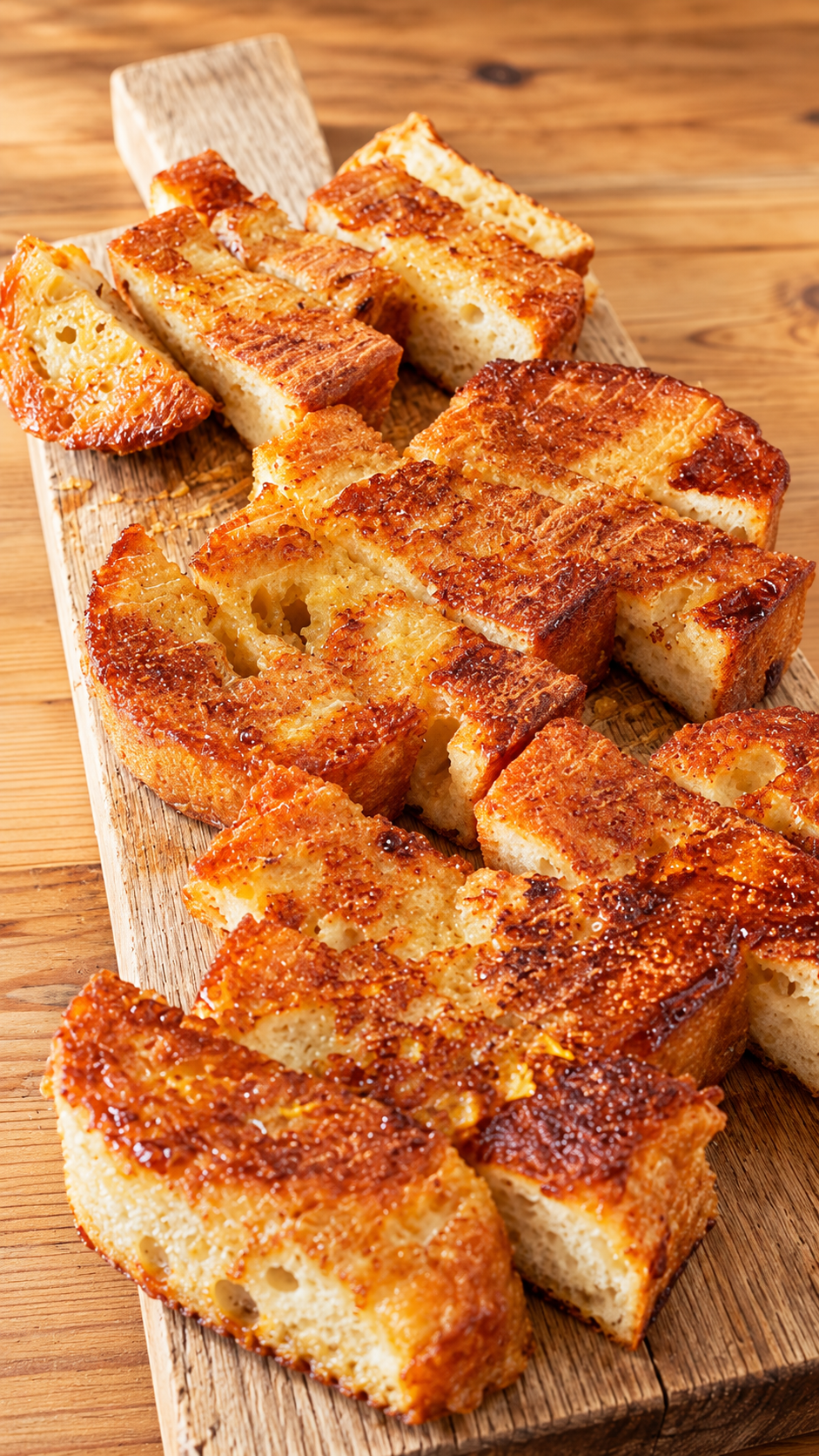
Avgofetes
Greek egg-fried bread — yesterday's loaf dipped in egg and milk, fried golden in olive oil and served with honey and cinnamon. Older than French toast.
Read the story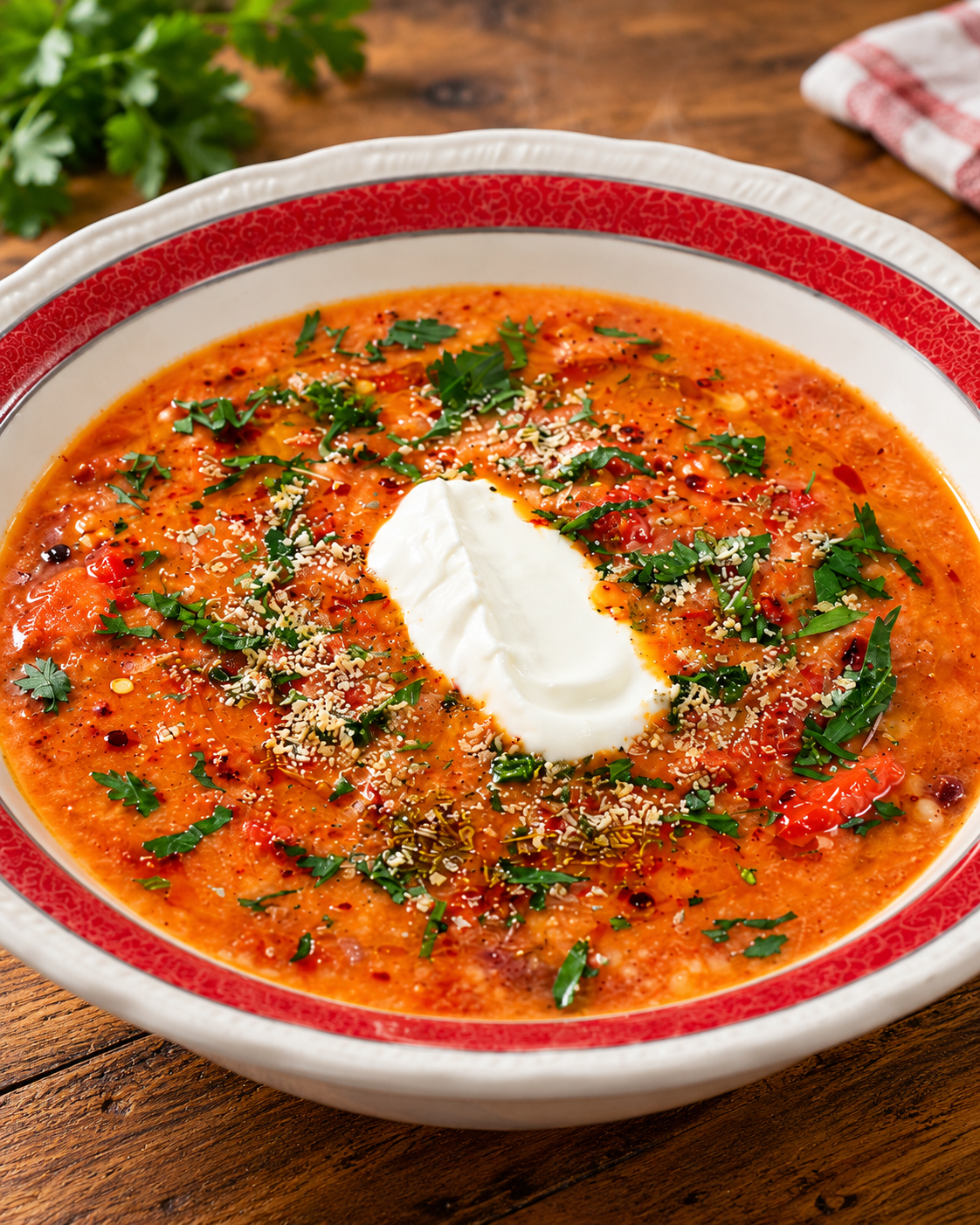
Kokkinistos Trahanas with Yogurt
Sour trahana simmered in a spicy tomato broth until creamy, served with cool Greek yogurt, boukovo and wild oregano — one humble food, countless traditions.
Read the story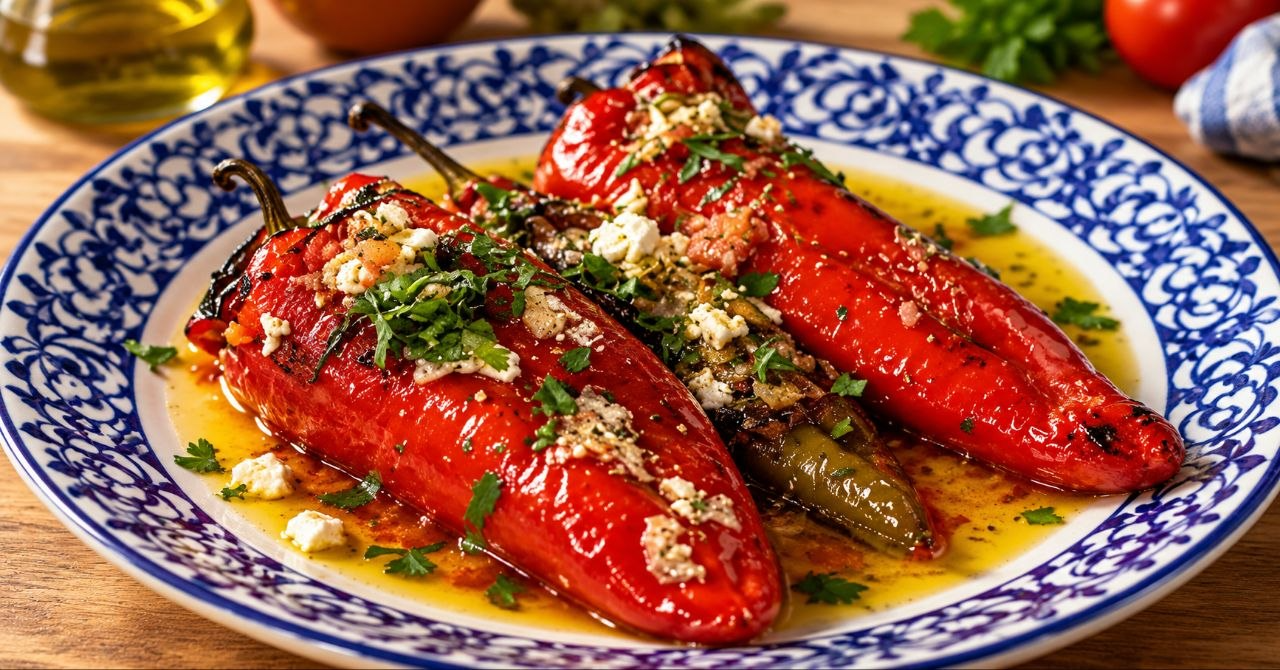
Stuffed Horn Peppers
Horn peppers stuffed with feta, tomato, garlic and wild oregano, baked until soft and caramelised — an American ingredient that became a Greek kitchen staple.
Read the story