a dish from greece —
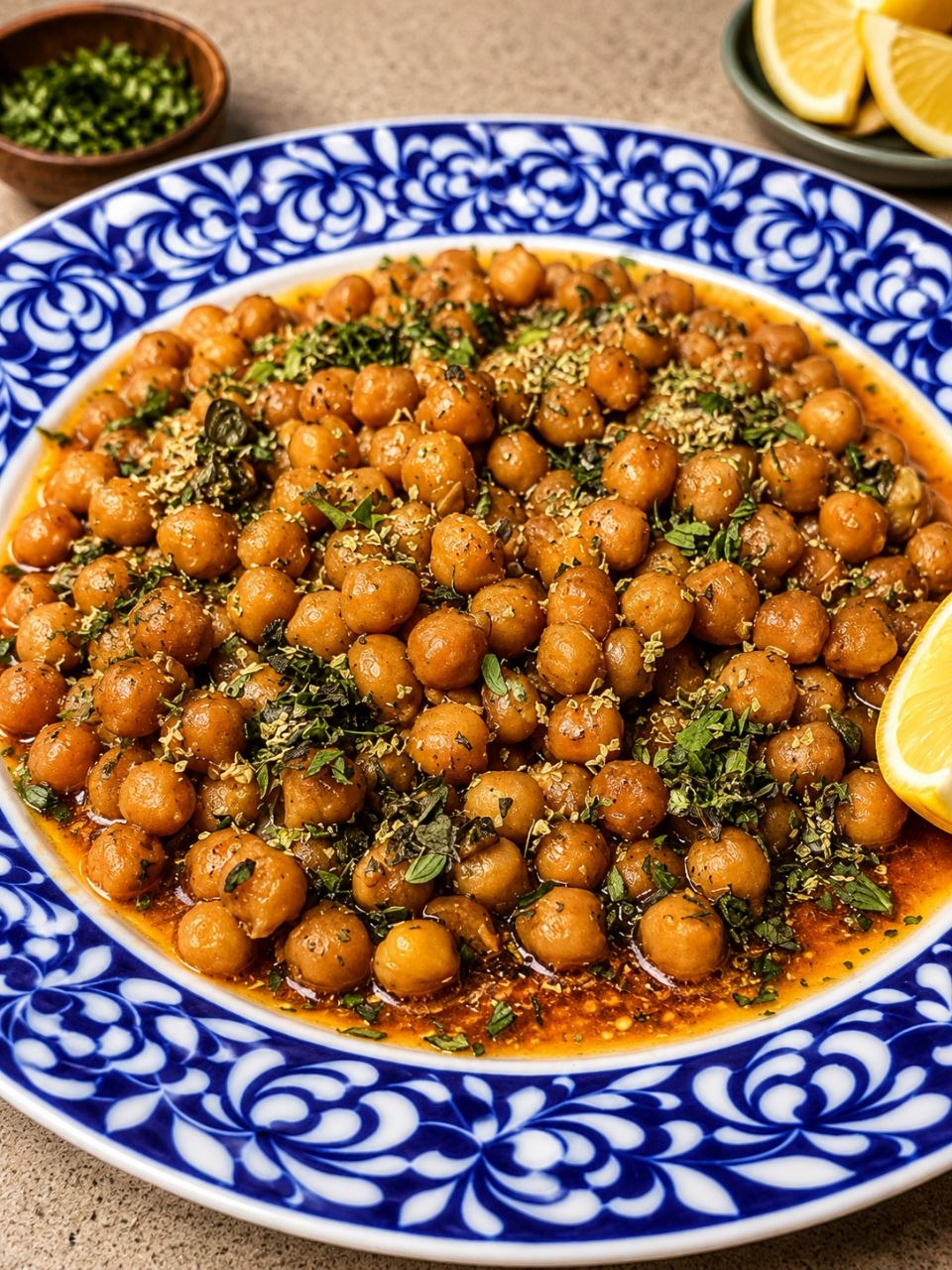
Slow-Baked Chickpeas with Lemon, Carob Honey & Oregano
How this dish came to life
Cultural significance
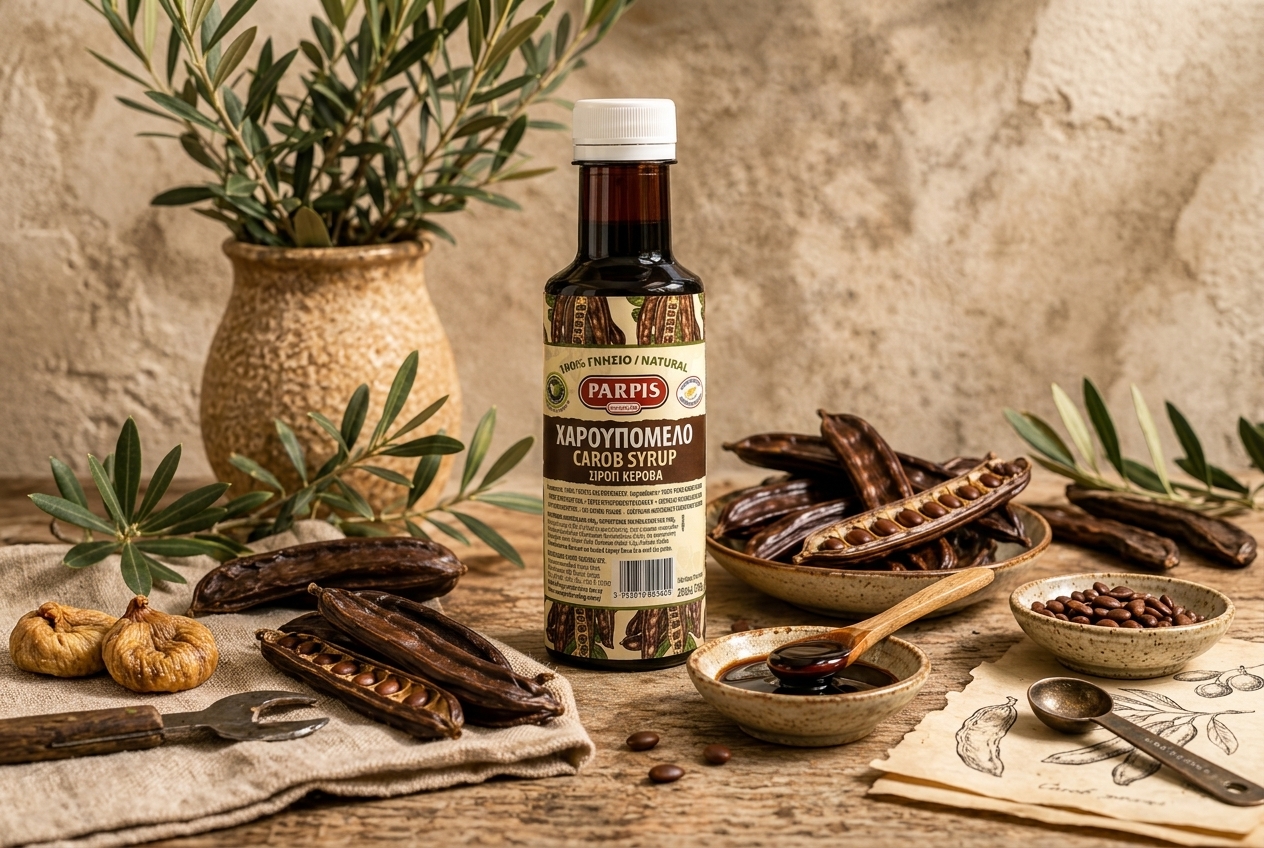
Revithada — slow-cooked chickpeas — is the unofficial Sunday dish of Sifnos in the Cyclades, and a staple of the Lenten and laderá tradition across Greece. Carob honey (μέλι χαρουπιού) is a Cypriot pantry treasure with PDO recognition — pressed from the pods of trees that have grown wild on the island for over 3,000 years. Together they make a quietly modern dish with deep Mediterranean roots.
step by step
Instructions
- 1
Heat the oven to 200°C / 400°F.
- 2
Tip the cooked chickpeas into a heavy clay or cast-iron baking pot (a deep pyrex works too). Add about 400ml of warm water or chickpea cooking liquid — the chickpeas should be half-submerged, not drowned.
- 3
Drizzle in the olive oil, the carob honey, the cracked cardamom pods and the bay leaves. Season generously with salt and plenty of cracked pepper.
- 4
Blitz the onion and garlic in a small blender with a splash of water until you have a smooth paste. Stir it through the chickpeas evenly.
- 5
Cover the pot tightly with a lid (or foil pressed snug) and bake for 25 minutes. The chickpeas will drink the liquid and the onion paste will soften into a sweet, glossy gravy.
- 6
Remove the lid for the last 5 minutes if you want the surface to glaze and darken.
- 7
Pull the pot out, fish out the cardamom pods and bay leaves, and squeeze in the juice of all 3 lemons while the chickpeas are still hot — the steam will lift the citrus straight through the dish.
- 8
Tear fresh oregano over the top, scatter parsley, drizzle one last thread of raw olive oil, and serve immediately with bread and more lemon wedges.
tips from the village —
Wisdom from grandmothers
- 01Cook the chickpeas the day before from dried — the texture is incomparable, and they hold their shape in the oven. Tinned works but the broth never gets as honeyed.
- 02Carob honey is the secret signature here. If you can't find it, dark thyme honey or even a tablespoon of pomegranate molasses gets you close.
- 03Don't be shy with the lemon. Three lemons sounds like a lot — it isn't. Chickpeas love acid.
- 04Like all good Greek bean dishes, this one tastes even better the next day. Serve it cold with bread and a glass of Assyrtiko.
Related recipes
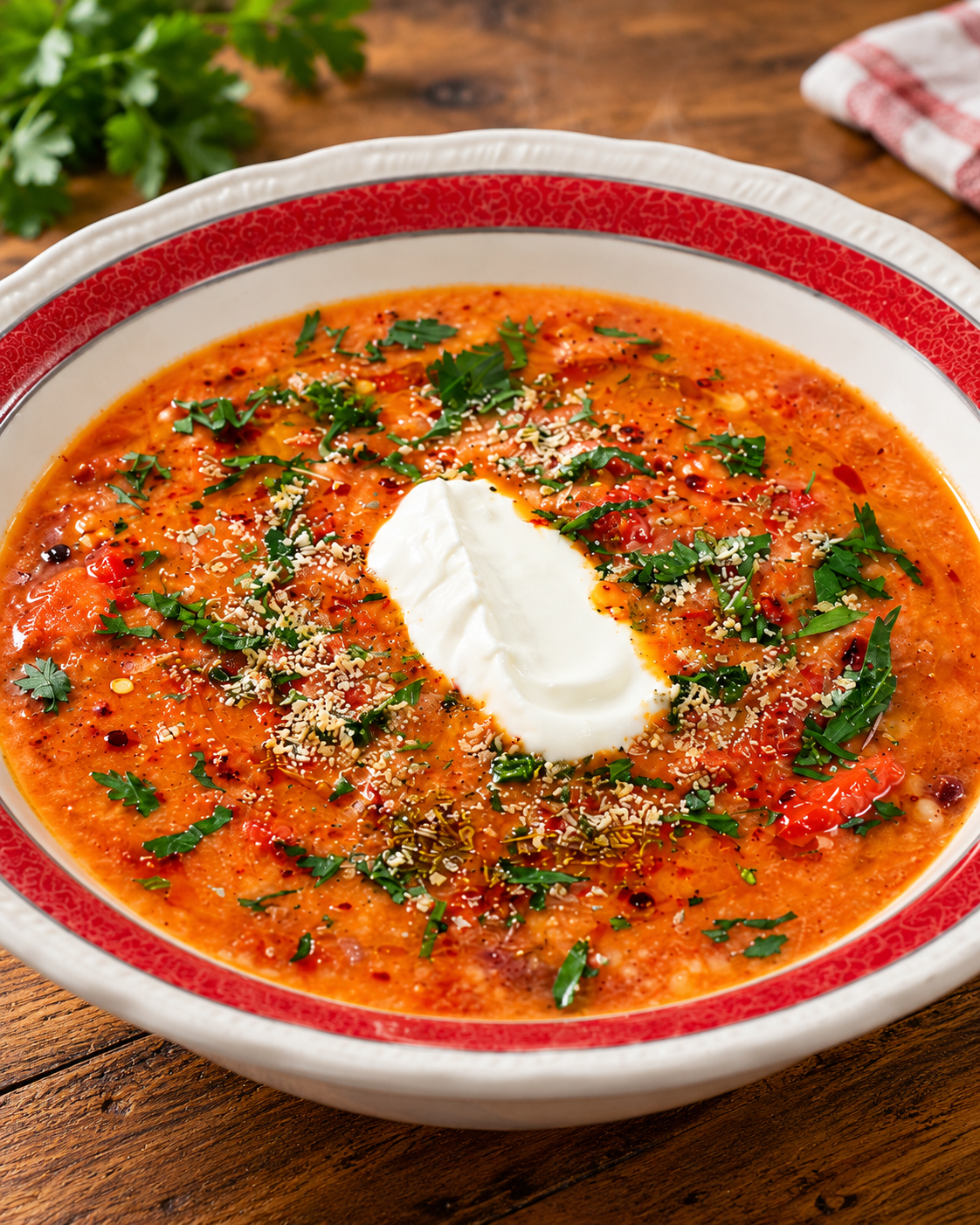
Kokkinistos Trahanas with Yogurt
Sour trahana simmered in a spicy tomato broth until creamy, served with cool Greek yogurt, boukovo and wild oregano — one humble food, countless traditions.
Read the story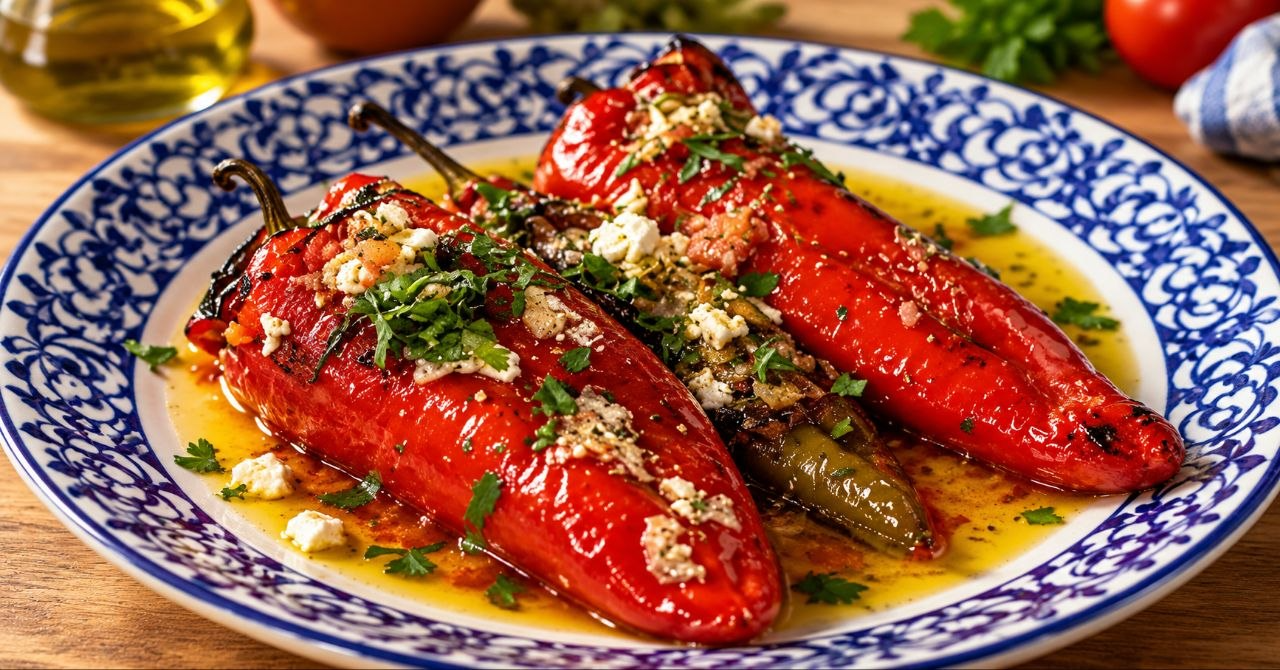
Stuffed Horn Peppers
Horn peppers stuffed with feta, tomato, garlic and wild oregano, baked until soft and caramelised — an American ingredient that became a Greek kitchen staple.
Read the story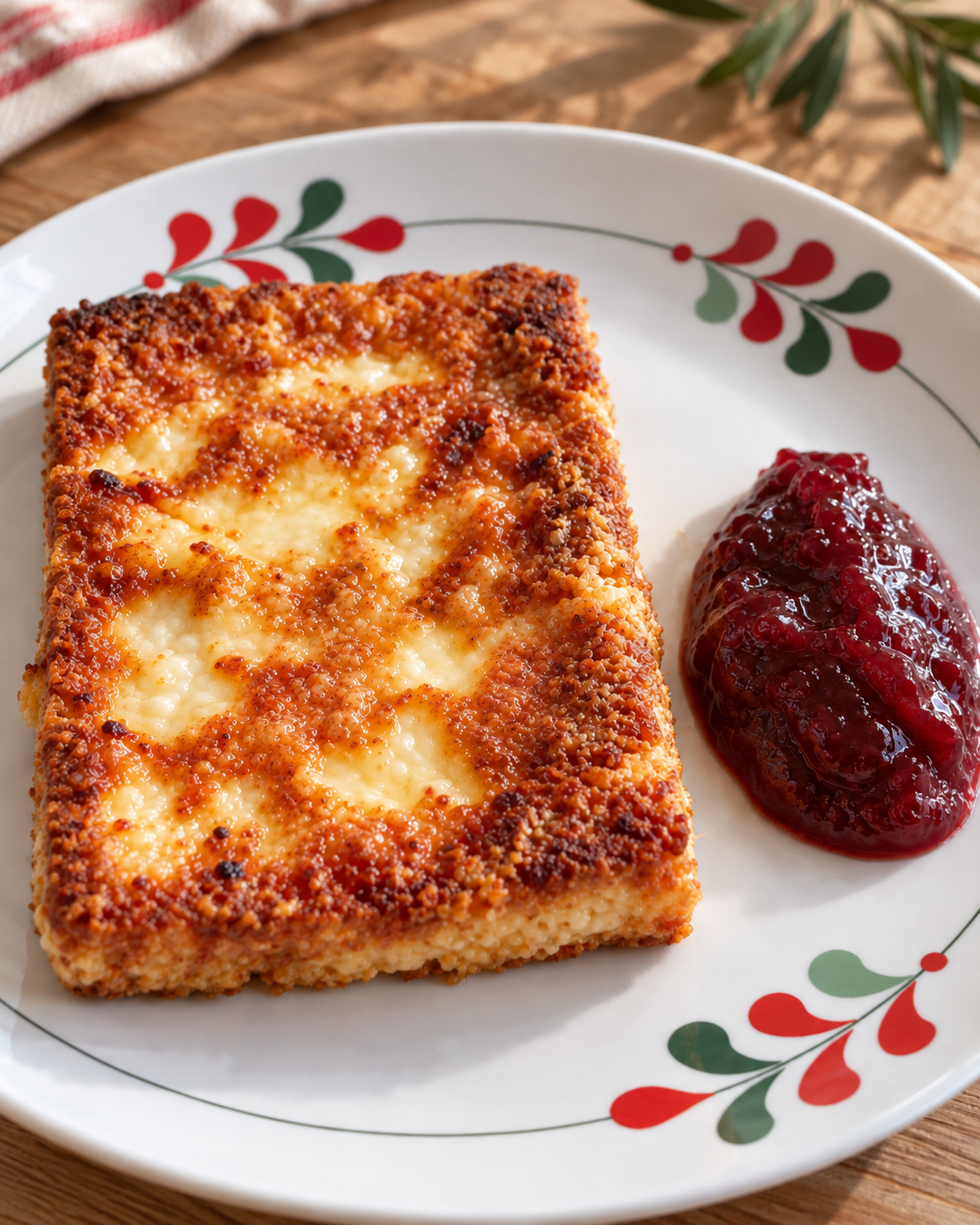
Saganaki with Grape Jam
Golden fried cheese, crisp outside and molten within, served with a slow-cooked grape jam brightened with lime — the taverna classic named after its little pan.
Read the story