a dish from greece —
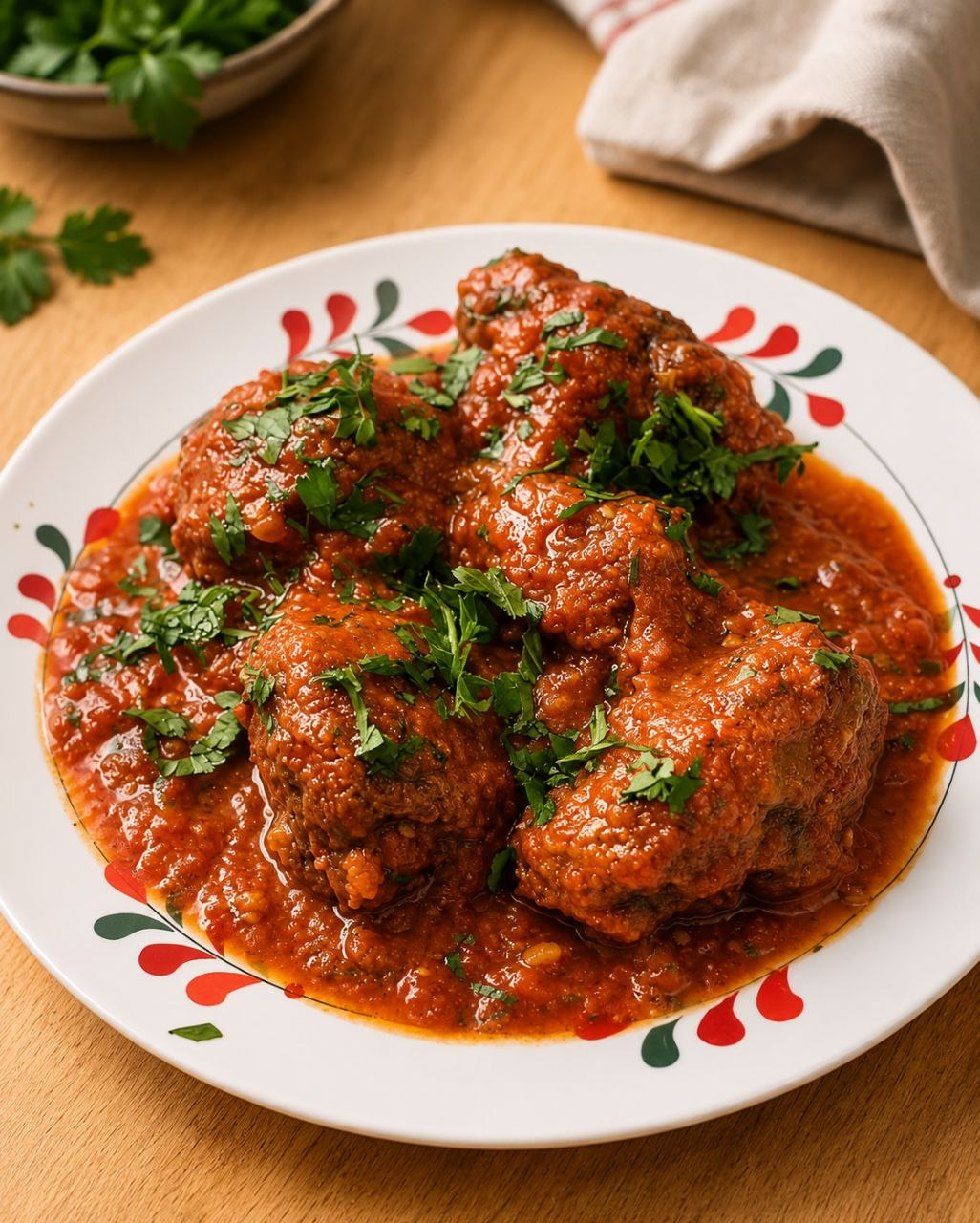
Soutzoukakia Smyrneika
How this dish came to life
Cultural significance
Soutzoukakia Smyrneika are one of the great refugee dishes of modern Greek cuisine — a recipe carried across the Aegean by survivors of the 1922 Asia Minor Catastrophe, when over a million Greeks were expelled from Smyrna and Asia Minor. Together with the related Politika cuisine (from the Greek refugees of Constantinople), it represents an entire branch of the Greek table that owes its flavours to Anatolia: cumin, cinnamon, allspice, mahlepi, garlic-forward spice mixes, and a quietly Eastern hand. The deliberate absence of onion in the meat (a Smyrniote distinction) and the cinnamon stick in the simmering sauce are the dish's hereditary signatures. Soutzoukakia Smyrneika are recognised by the Greek state as part of the country's intangible cultural heritage — a recipe that survived because the people who knew it refused to forget.
step by step
Instructions
- 1
Tear the bread into small pieces, place in a bowl and pour the red wine over the top. Let it soak for 10 minutes, then squeeze it firmly with your hands to remove the wine. Discard the wine.
- 2
In a wide bowl combine the minced meat, the squeezed bread, egg, finely chopped garlic, cumin, cinnamon, parsley, a generous pinch of salt and plenty of cracked pepper.
- 3
Mix and knead the mixture with your hands for 4–5 full minutes. This is essential — it develops the meat's protein so the soutzoukakia hold their shape and turn slightly bouncy when cooked.
- 4
Cover the bowl and rest the mixture in the fridge for at least 30 minutes — ideally 1 hour. Cold mixture is easier to shape and stays tender in the pan.
- 5
Meanwhile, start the sauce. Heat the olive oil in a wide pan over medium heat. Add the sliced garlic and cook 30 seconds until just golden — never brown, or it turns bitter.
- 6
Stir in the tomato paste and the sugar; cook 1 minute until darkened and fragrant.
- 7
Add the grated tomatoes, the cinnamon stick, the bay leaf, the cumin, a generous pinch of salt and plenty of pepper. Pour in 200 ml of hot water.
- 8
Simmer the sauce gently for 10 minutes, until it thickens slightly and tastes round. Lower the heat to keep it warm while you cook the soutzoukakia.
- 9
Take the meat out of the fridge. Shape generous tablespoons of mixture into small, fat oval fingers — the size of a thumb. Roll each one lightly in flour, shaking off any excess (the flour gives them their golden crust and helps the sauce cling later).
- 10
Heat 1 cm of olive oil in a heavy pan over medium-high heat. Fry the soutzoukakia in batches for 4–5 minutes total, turning, until deeply golden on all sides. Drain briefly on paper.
- 11
Slip the fried soutzoukakia into the simmering tomato sauce, spooning the sauce over them gently. Simmer together for 8–10 minutes — long enough for them to drink the sauce, not so long that they break apart.
- 12
Off the heat, scatter generously with fresh parsley. Fish out the cinnamon stick before serving.
- 13
Serve over steamed white rice or mashed potatoes, with bread to mop the sauce, and a glass of cold red wine. Every bite should taste a little of cumin, a little of cinnamon, and a little of a city that we still remember.
tips from the village —
Wisdom from grandmothers
- 01Use day-old bread, never fresh. Fresh bread turns the mixture gummy; day-old crumb soaks up the wine without collapsing.
- 02Red wine for soaking the bread — not water, not milk. The wine gives the soutzoukakia their characteristic dark, deeply savoury edge.
- 03Knead the meat mixture for the full 4–5 minutes. Underworked mince won't bind, and the meatballs will fall apart in the sauce.
- 04No onion in the meat. This is the Smyrniote signature that distinguishes Smyrneika from the Politika style — keep the focus on garlic, cumin, and cinnamon.
- 05Like all great refugee dishes, soutzoukakia taste better the next day. Make them ahead — the flavours deepen as they sit.
Related recipes
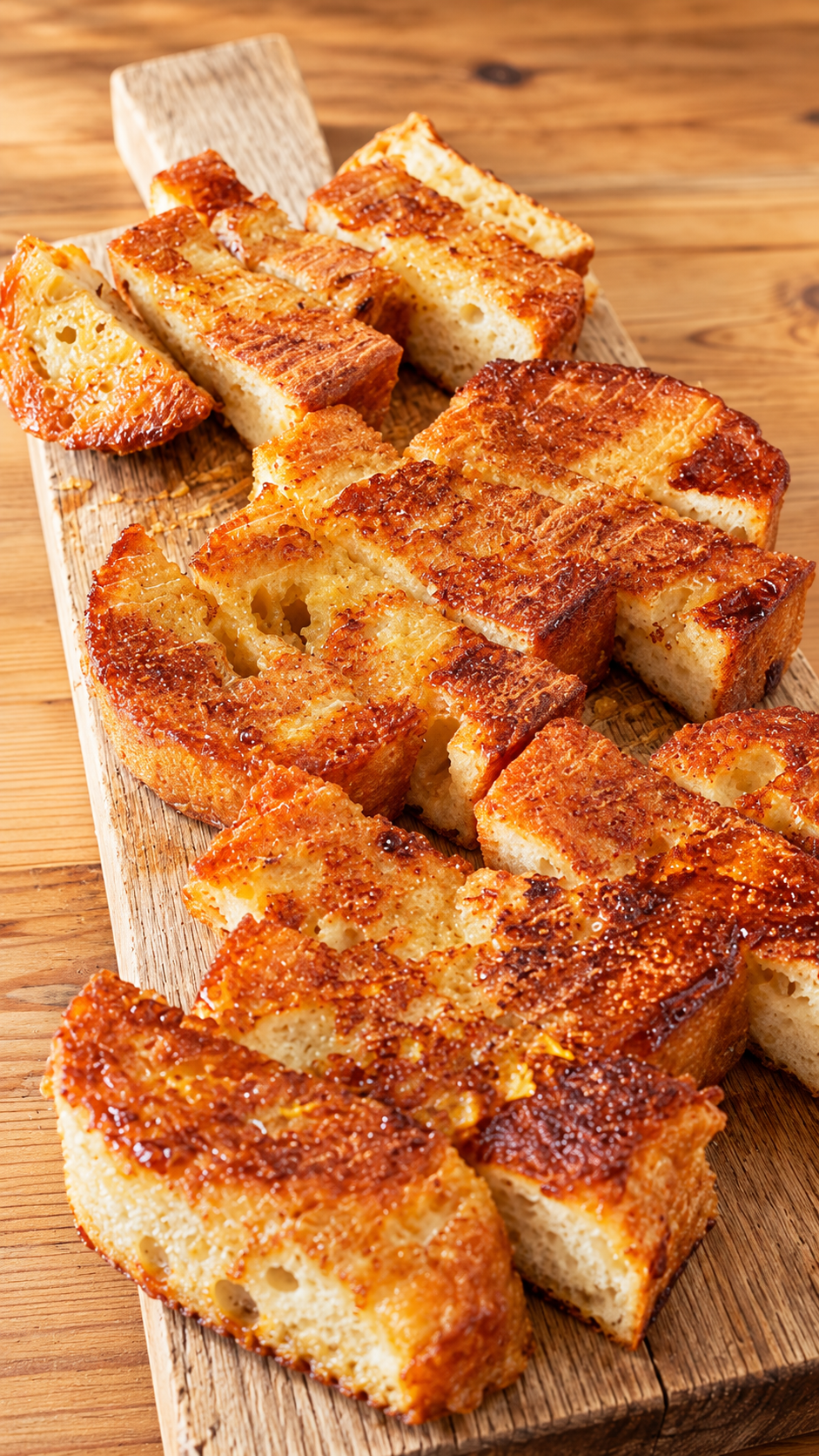
Avgofetes
Greek egg-fried bread — yesterday's loaf dipped in egg and milk, fried golden in olive oil and served with honey and cinnamon. Older than French toast.
Read the story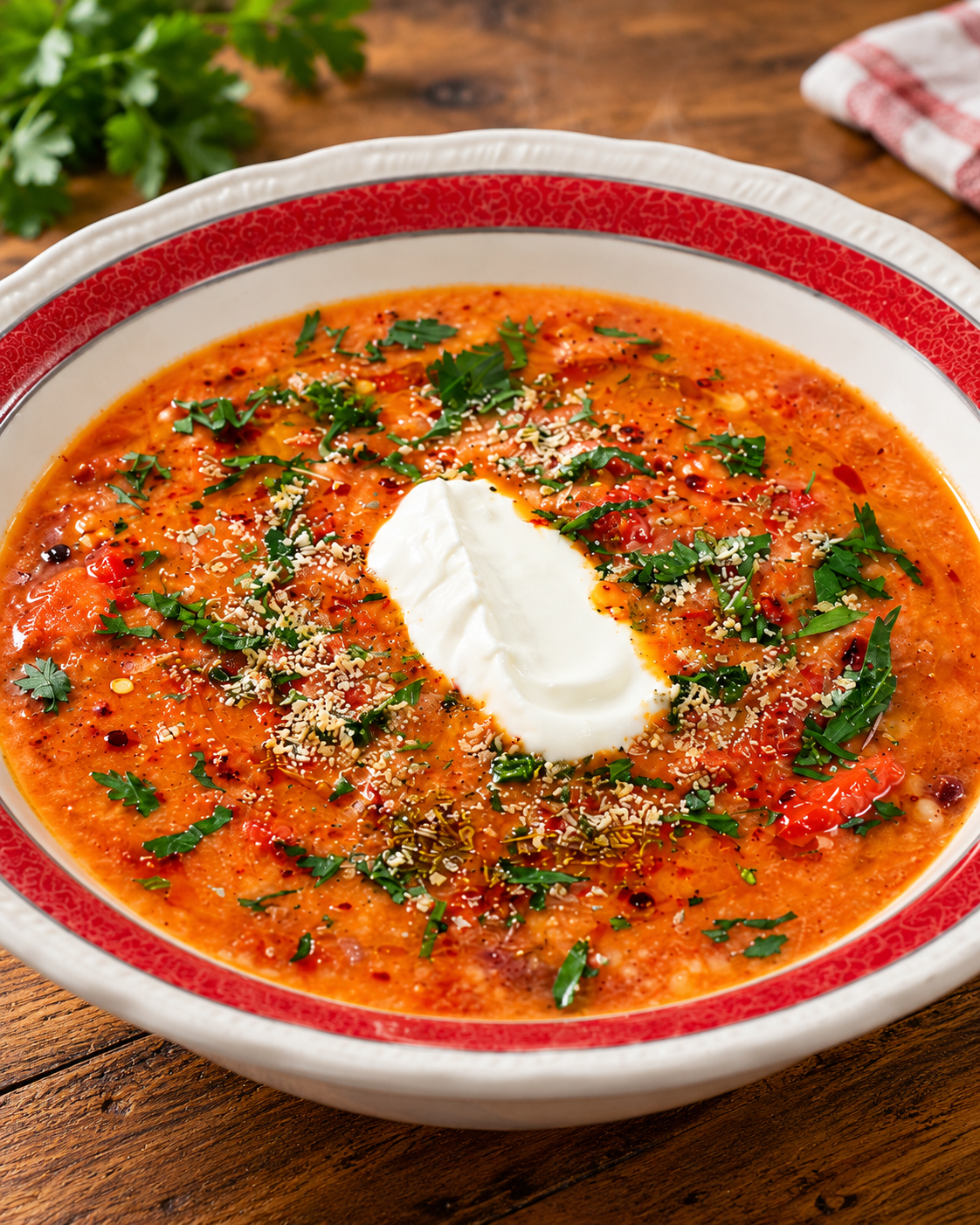
Kokkinistos Trahanas with Yogurt
Sour trahana simmered in a spicy tomato broth until creamy, served with cool Greek yogurt, boukovo and wild oregano — one humble food, countless traditions.
Read the story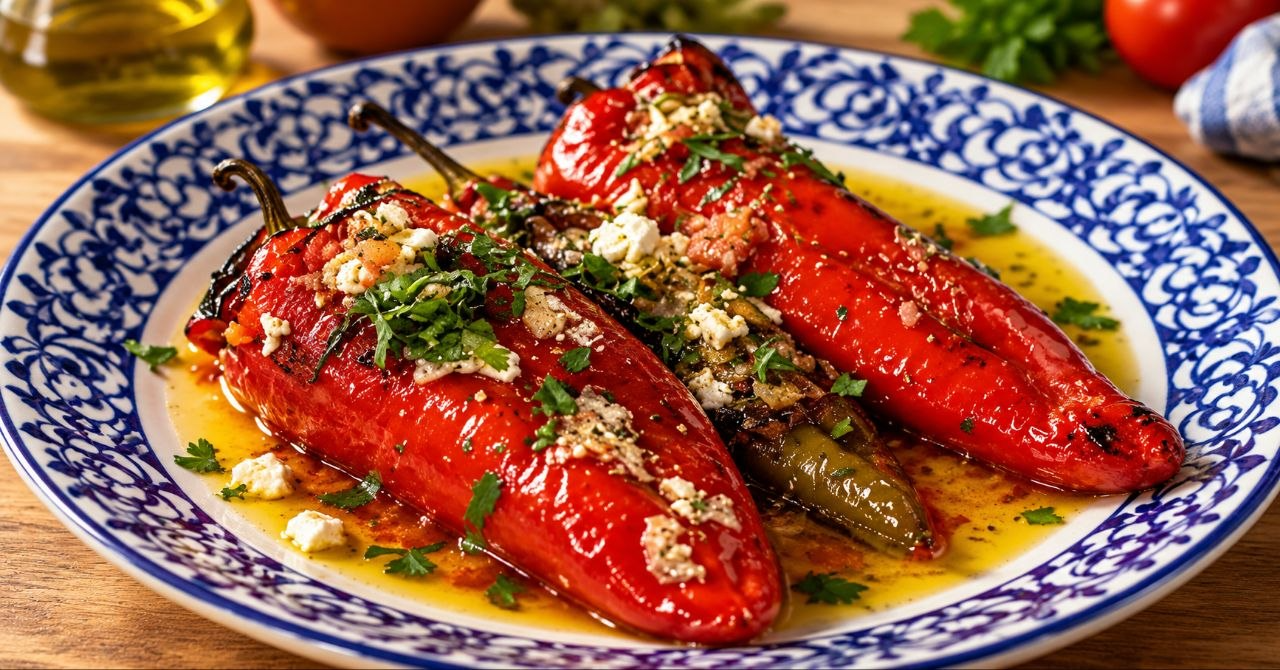
Stuffed Horn Peppers
Horn peppers stuffed with feta, tomato, garlic and wild oregano, baked until soft and caramelised — an American ingredient that became a Greek kitchen staple.
Read the story